Get Full Government Meeting Transcripts, Videos, & Alerts Forever!
Get email alerts on the Federal Pardon State Jurisdiction topic
No spam. Unsubscribe anytime.
Idaho House passes resolution saying federal pardon for Dr. Anthony Fauci does not affect state jurisdiction
Summary
On Feb. 3 the Idaho House approved House Concurrent Resolution 5, declaring that a federal pardon for Dr. Anthony Fauci does not extend to possible state crimes; the measure drew heated debate and passed 56-14.
BOISE, Idaho — The Idaho House of Representatives passed House Concurrent Resolution 5 on Feb. 3, 2025, saying a federal pardon issued to Dr. Anthony Fauci does not confer immunity from potential state charges and reaffirming that presidential pardons apply only to federal offenses. The chamber approved the measure by voice and recorded vote, 56-14, and the resolution will be transmitted to the state Senate.
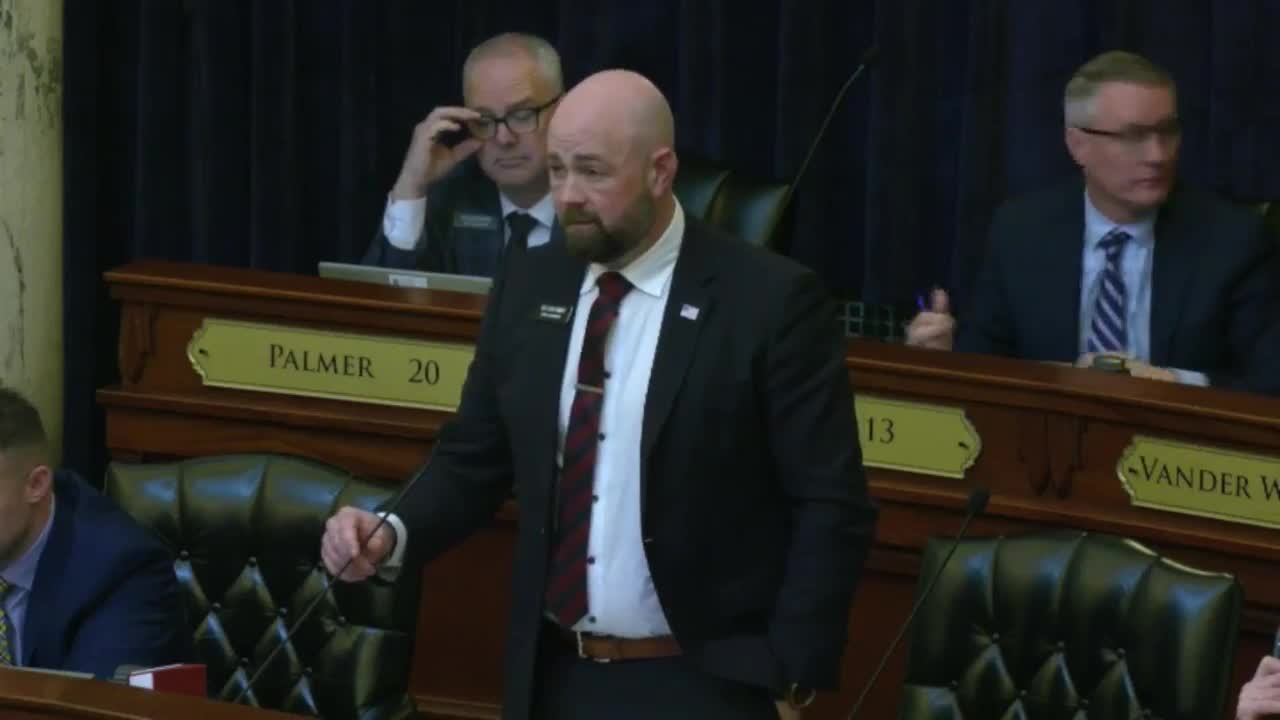
The sponsor, Representative, District 14, told the House the resolution’s purpose was to make clear that a federal pardon does not preclude state prosecutions. "The main purpose of it is actually just saying that that federal pardon may give the doctor Anthony Fauci the pardon for those federal crimes, but it doesn't allude to any state crimes that would potentially can be committed or charged with under state jurisdiction or state law," Representative, District 14 said on the floor.
Supporters used the floor to criticize Fauci’s conduct during the COVID-19 pandemic and framed the measure as a response to a federal pardon issued by a former president. Representative, District 13 said, "The intent behind this resolution is, one, to remind Doctor Anthony Fauci that he's not been charged with even a federal crime. I don't believe at all that you can give a pardon to an individual who has not been charged with a crime."
Opponents called the resolution unnecessary and warned against singling out an individual. The Representative, District 18 argued the resolution restates established law and risked setting a troubling precedent: "No presidential power ever — the president does not have the power to confer immunity from state crimes, period... It seems a little odd that we would be getting in the business of essentially restating the obvious." She urged members not to undertake what she described as targeted political action against a person who "has not been charged with anything."
Floor debate included assertions and allegations about Fauci’s conduct during the pandemic made by backers of the resolution; those claims are reported here as floor statements attributed to the speakers who made them. The resolution itself does not create charges or change criminal law; it is a formal expression of the House’s view and, as the sponsor noted, will be transmitted to the Senate for consideration.
The House approved the resolution by recorded vote and ordered the title corrected before transmittal to the Senate.