Get Full Government Meeting Transcripts, Videos, & Alerts Forever!
Get email alerts on the Health And Welfare topic
No spam. Unsubscribe anytime.
Department of Health and Welfare outlines reorganization, staffing and budget needs; JFAC quizzes vehicle, IT and licensing requests
Summary
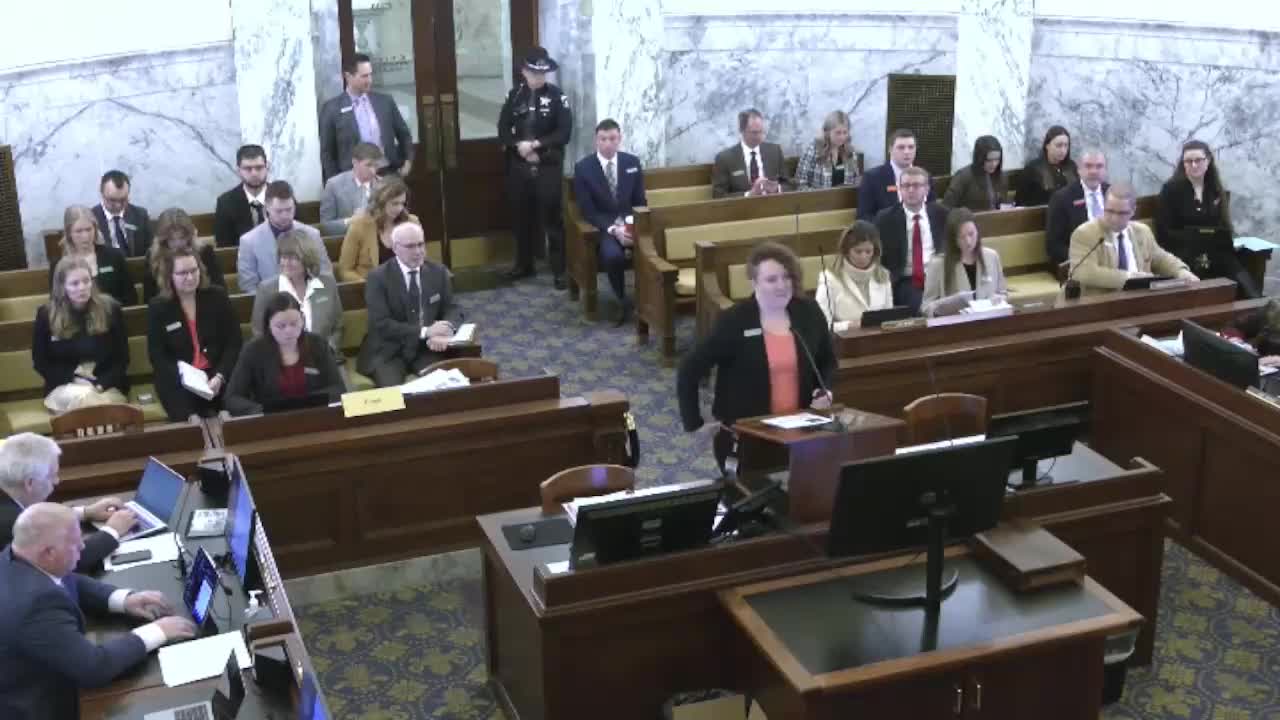
The Joint Finance-Appropriations Committee on Monday received an agency overview and reorganization proposal from the Idaho Department of Health and Welfare and questioned the department's requests for vehicle replacements, IT upgrades, MMIS staffing and licensing survey funding.
The Joint Finance-Appropriations Committee opened the session's health and welfare hearings Monday with an overview from Legislative Services and an agency presentation by Alex Williamson and Director Alex Adams.
Reorganization and rationale: Williamson, the budget and policy analyst for Legislative Services, outlined a proposed reorganization the department submitted as part of its program-maintenance request. The reorganization would split Family and Community Services (FACS) from the remaining Medicaid and behavioral health divisions, promote the Medicaid administrator to a deputy director while retaining Medicaid responsibilities, and rename and regroup several divisions. Under the plan, Support Services and Licensing would be renamed the Division of Operations; Public Health and Self Reliance would be grouped as Health and Human Services; and a new internal division would be called Child, Youth, and Family Services. The department also proposes moving Extended Employment Services (EES) and Community Developmental Disabilities programs under Medicaid, and giving the Idaho Child Care Program (ICCP) its own appropriation unit under Early Learning and Development to allow separate budget tracking.
Director Adams told the committee the reorganization is intended to improve lines of visibility and accountability for a large agency that manages Medicaid, public health regulation, child welfare and other programs. He said the department has roughly 3,000 employees, 74 buildings and many statutorily assigned duties. Adams said the changes reflect where work already occurs within the department and are intended to allow the legislature and staff to go to a single responsible point of contact on specific questions.
Indirect support services and asset requests: Williamson reviewed the Division of Indirect Support Services (authorized at 259.6 FTP with 29 vacancies at submission) and provided the division's fiscal picture. Fiscal year 2024 expenditures for that division were about $40.2 million, primarily personnel and operating costs.
The department requested one-time replacement items totaling about $2.8 million: $384,000 for visitation rooms, roughly $648,000 for office remodels and furniture, and about $1.8 million to replace 60 vehicles. Williamson said the Office of Information Technology also requested hardware replacement totaling about $1.8 million (including laptop replacements and an SQL Server upgrade), and the governor recommended most items but zeroed out a cloud server capacity request after the agency identified other solutions.
Fleet and operations questions: Director Adams said the department maintains about 435 state vehicles statewide and aims for a seven-year replacement cycle. He told the committee about heavy child-welfare use of the fleet—transporting children for visitations, court, and medical appointments—and noted many existing vehicles have between 105,000 and 159,000 miles. Adams said the department's 2026 request for 60 vehicles puts it back on its seven-year replacement schedule after a smaller request last year.
MMIS and IT staffing: Adams said positions tied to the Medicaid Management Information System (MMIS) upgrades were posted and expected to be filled soon (he cited anticipated hires in February). He described MMIS as a large, multi-year IT upgrade for Medicaid and said the requested personnel are necessary for oversight and implementation.
Licensing and certification: Licensing and Certification (71.9 authorized FTP, 13.9 vacancies at submission) asked for a supplemental exemption to allow transfers from personnel cost (PC) to operating expenditures (OE). The division has historically used contract nurses to perform facility surveys when hiring in-house staff has been insufficient. Last year the division requested to transfer approximately $400,000 from PC to OE to fund contract surveyors and ultimately reverted about $100,000, using roughly $300,000. Director Adams said state employees in the licensing division receive about $35 per hour; contract nurses cost roughly $90 to $95 per hour. The division requested an exemption from the transfer limitation enacted in Section 8 of Senate Bill 1268 (2024) so it could move personnel dollars to operating as needed to contract surveyors and maintain inspection cadence. Adams noted that every other state agency generally has the legal ability to transfer PC to OE and said his department seeks to rebuild trust so the department can manage those normal administrative transfers without special approval.
Committee questions and next steps: Committee members asked for additional detail on the vehicle fleet (counts, mileage, replacement prioritization), the 60-vehicle request history, the MMIS positions and their hiring timeline, and the cost trade-offs between contract surveyors and in-house staff for licensing work. Williamson and Adams agreed to follow up with further detail to the committee. The licensing supplemental and the division's enhancement requests will be considered as part of the "other programs" appropriation bill the committee will set on January 24. The department will return to JFAC for division-level hearings and additional budget scrutiny over the session.
Speakers and attribution: Direct attributions in this article are to Alex Williamson (Legislative Services Office), Alex Adams (Director, Idaho Department of Health and Welfare), and multiple committee members including Senator Wintrow, Representative Tanner, Senator Cook and others who posed questions; all quotations and figures are taken from the committee transcript.