Get Full Government Meeting Transcripts, Videos, & Alerts Forever!
Get email alerts on the Judiciary Courts topic
No spam. Unsubscribe anytime.
Idaho chief justice asks Legislature for four new judges and higher pay to ease workloads
Summary
The chief justice of the Idaho Supreme Court told the House of Representatives the state needs four additional trial judges and higher judicial salaries—proposing trial-court pay near $200,000—to address heavy workloads, recruitment and retention challenges and growing case complexity.
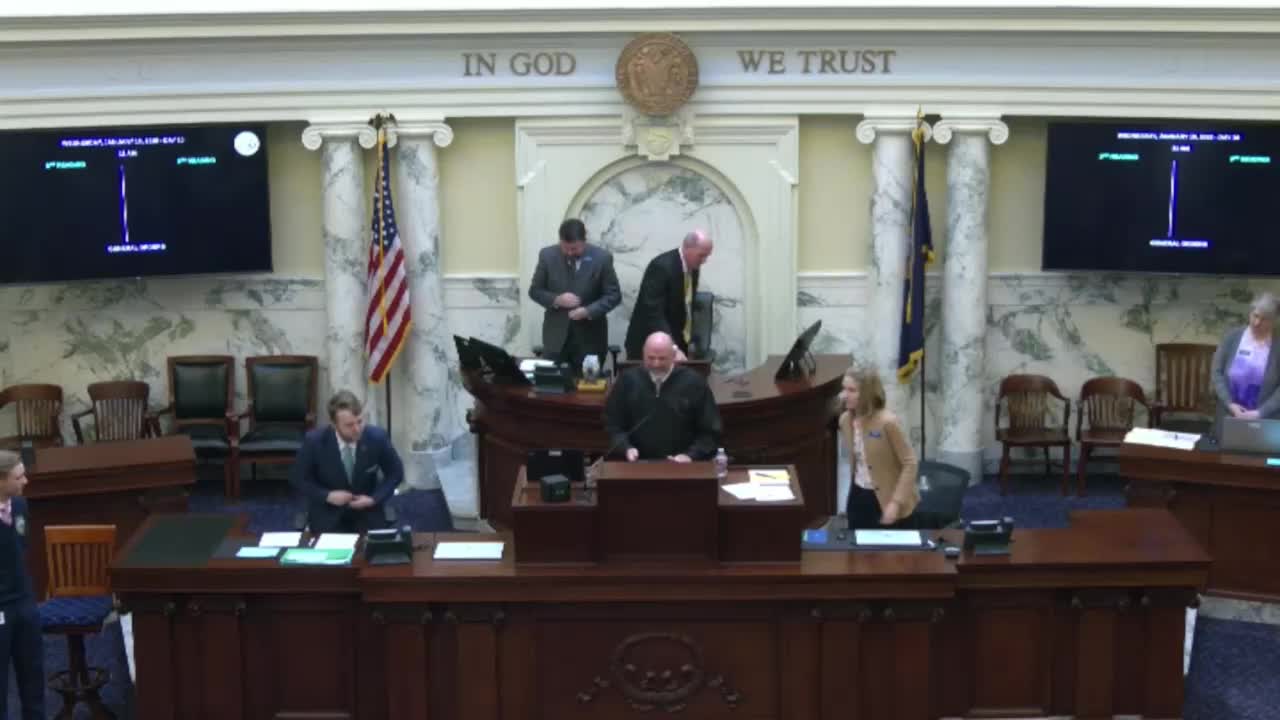
The Chief Justice of the Idaho Supreme Court addressed the Idaho House of Representatives on Jan. 15, urging lawmakers to fund four new judges for high‑workload districts and to consider raising trial court salaries to about $200,000 to improve recruitment and retention.
The chief justice described heavy and varied workloads at the trial level, saying magistrate judges handle everything from warrants to child‑protection hearings and that district judges manage complex felony and civil cases. “If you're going to be a good and faithful judge, you must resign yourself to the fact that you're not always going to like the conclusions you reach,” the chief justice quoted from U.S. Supreme Court Justice Antonin Scalia to illustrate the demands of the bench.
The request was framed as a response to concrete capacity and staffing pressures. The chief justice said one Ada County magistrate received 17 on‑call calls in a single weekend, one magistrate’s busiest day can include hearings in as many as 124 different cases, and a single district judge in Twin Falls closed 424 criminal and 198 civil cases in 2024. The court also cited treatment courts as an area of investment: roughly half of Idaho's 150 judges oversee at least one treatment court, and 613 people graduated from treatment courts in the last fiscal year.
Why it matters: the chief justice told lawmakers that lower pay and increasing demands are narrowing the pool of applicants and pushing experienced judges out of the bench. The court reported that average applicants for district judge openings fell from about 11 five years ago to roughly 4.6 last fiscal year, and that only 1 in 5 applicants for recent trial vacancies came from private civil practice—raising concerns about bench expertise in complex civil matters.
Details of the requests: the chief justice asked the Legislature to provide funding for four new judges in counties the court named as experiencing strain (including Kootenai, Twin Falls and Bonneville) and proposed raising judicial salaries closer to $200,000 annually for trial court judges. The chief justice also recommended that long‑term salary adjustments be considered by an independent citizens committee appointed by the executive and legislative branches, with any changes subject to legislative review.
The chief justice noted the judicial branch’s budget is a small portion of the general fund and emphasized stewardship of resources. There was no formal vote on the court's requests during the address; the remarks were delivered during the House’s eighth order of business as the court presented its annual report and budget requests.
Discussion and context: the address outlined recruitment and retention issues as both a pay and lifestyle challenge for prospective judges, noting judicial ethics and the need to avoid actual or perceived conflicts of interest often require dramatic personal changes from candidates. The chief justice said making judicial service more competitive would help preserve the bench’s capacity to resolve disputes and protect public safety.
The House took no immediate formal action on the chief justice’s proposals during the floor session recorded in the transcript. The comments concluded with legislative expressions of appreciation and a return to the regular agenda.