Get Full Government Meeting Transcripts, Videos, & Alerts Forever!
Get email alerts on the Higher Education Community College Capacity topic
No spam. Unsubscribe anytime.
College of Southern Idaho seeks funding for instructors, infrastructure after 20% enrollment spike
Summary
College of Southern Idaho leaders told the Joint Finance Appropriations Committee they need roughly $475,700 in an enrollment workload adjustment and other support for faculty pay and infrastructure after a 20% freshman enrollment increase in fall 2024 and 3,800 new students since fall 2021.
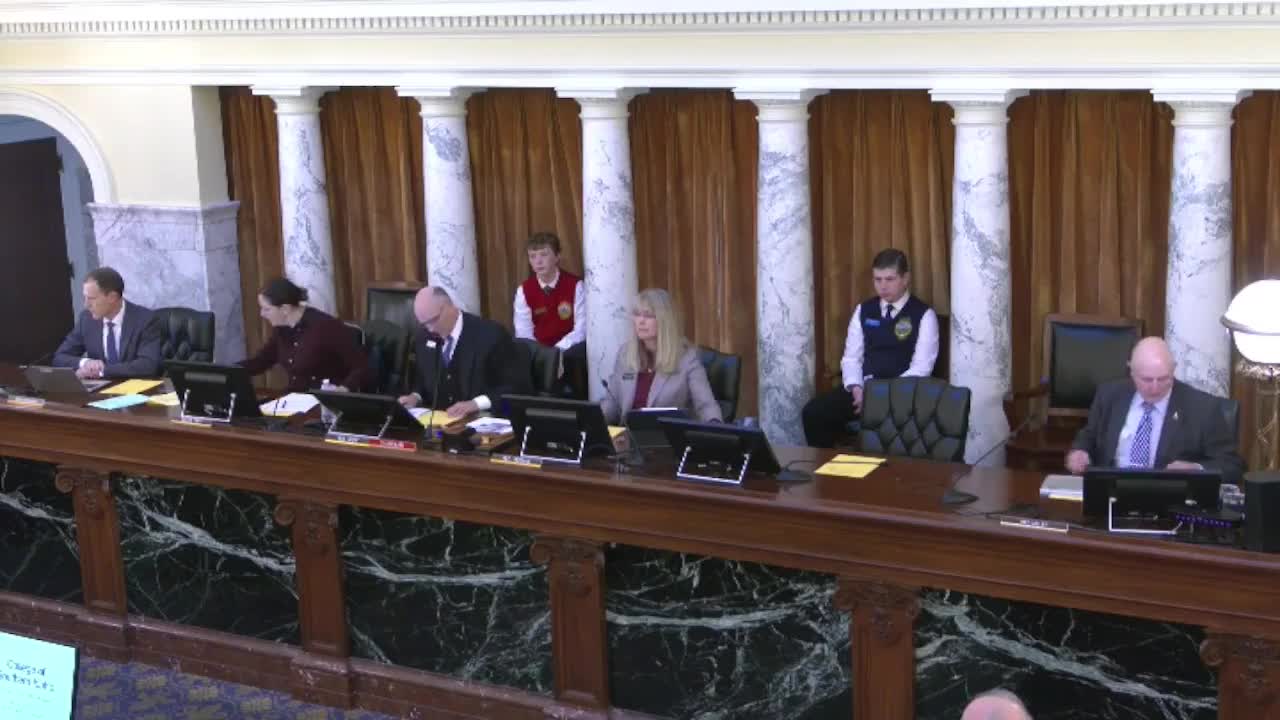
President Aldine Fisher of the College of Southern Idaho told the Joint Finance Appropriations Committee on Oct. 24, 2025, that CSI is seeking an FY2026 enrollment workload adjustment of $475,700 and broader support for capacity-building to handle large enrollment growth. Kevin Campbell, a budget and policy analyst with the Legislative Services Office, had presented the college's base budget and highlighted that CSI’s FY2024 single trustee appropriation was $18,600,000.
The request reflects a sharp rise in recent enrollments: Fisher said CSI experienced 20% growth in fall 2024 (outside dual credit), added about 3,800 students since fall 2021, and enrolled 16,586 unique students in credit-bearing courses in 2023–24. Fisher told the committee the college also reported roughly 7,000 workforce engagements and 561 apprenticeships in the same academic year.
Why it matters: CSI officials said the growth has strained faculty, clinical placements and learning space. Fisher recommended the committee support the governor’s proposed capacity-building investments and a one-time $15 million allocation for infrastructure and “learning spaces,” in addition to funding to raise faculty and staff pay closer to regional peers.
Key details and examples cited to justify the request: - CSI requested $475,700 in FY2026 for the enrollment workload adjustment (EWA) moved to the enhancements budget; President Fisher said the college plans to use the funds to hire five additional instructors for general-education courses. - Fisher estimated a single full-time instructor serves roughly 150 students annually, so five instructors would translate to capacity for about 750 additional students. - Program-specific capacity shortfalls included a radiologic technology program with a cohort capacity of 15 and a waiting list of 84, and nursing programs constrained by clinical space and faculty. Fisher also described welding cohorts running 7 a.m.–10 p.m. in multiple locations to meet demand. - The college described the limitation in its veterinary technology program: capacity for 40 students (20 first-year, 20 second-year) aligns with accreditation limits tied to one veterinarian faculty and two technicians; Fisher said doubling the program would require facility and ongoing staffing investments.
On compensation, Fisher said CSI faculty and staff lag regional community college peers by roughly 12% and that catching up faculty to regional community college pay — and narrowing gaps with K–12 and university peers — would require additional funding. He told the committee a roughly $400,000 recurring amount would address a portion of that gap compared to K–12 teacher salary scales.
Program and student-support highlights: Fisher pointed to an expansion of Bridge to Success services for first‑generation students that scaled from 40 participants to about 500 after prior funding, and noted efforts that reduced textbook costs about 50% by shifting to lower-cost or open educational resources.
Budget context provided by the analyst: Campbell reviewed CSI’s five-year appropriations history and noted the college typically spends 100% of its state appropriation, with exceptions during the COVID period when federal ARPA funds affected spending patterns. He explained appropriations to community colleges are made as a single trustee payment rather than by object category.
What was not decided: Committee members asked questions about how requested dollars would be allocated; no formal votes or actions on the requests were recorded in the transcript. Fisher recommended support for the governor’s capacity-building proposals and one-time infrastructure funds, and offered to answer follow-up questions and provide additional detail if needed.
Ending: Fisher emphasized the college’s 60-year history and urged the committee to support investments to sustain recent enrollment gains, improve retention and expand capacity in workforce and CTE programs.