Get Full Government Meeting Transcripts, Videos, & Alerts Forever!
Get email alerts on the Population Medical Costs topic
No spam. Unsubscribe anytime.
Population changes and medical‑contract uncertainty drive DOC per‑diem and supplemental requests
Summary
Idaho Department of Correction asked for population‑driven supplemental funding to cover county and out‑of‑state per‑diems and higher medical contract costs. Analysts warned that a contract rebid could increase costs by 30–40% if negotiations with the current provider fail.
Department of Correction officials told the Joint Finance Preparatory Committee that changes in where Idaho residents are housed and higher medical utilization are driving supplemental budget requests for FY2025 and ongoing funding needs for FY2026.
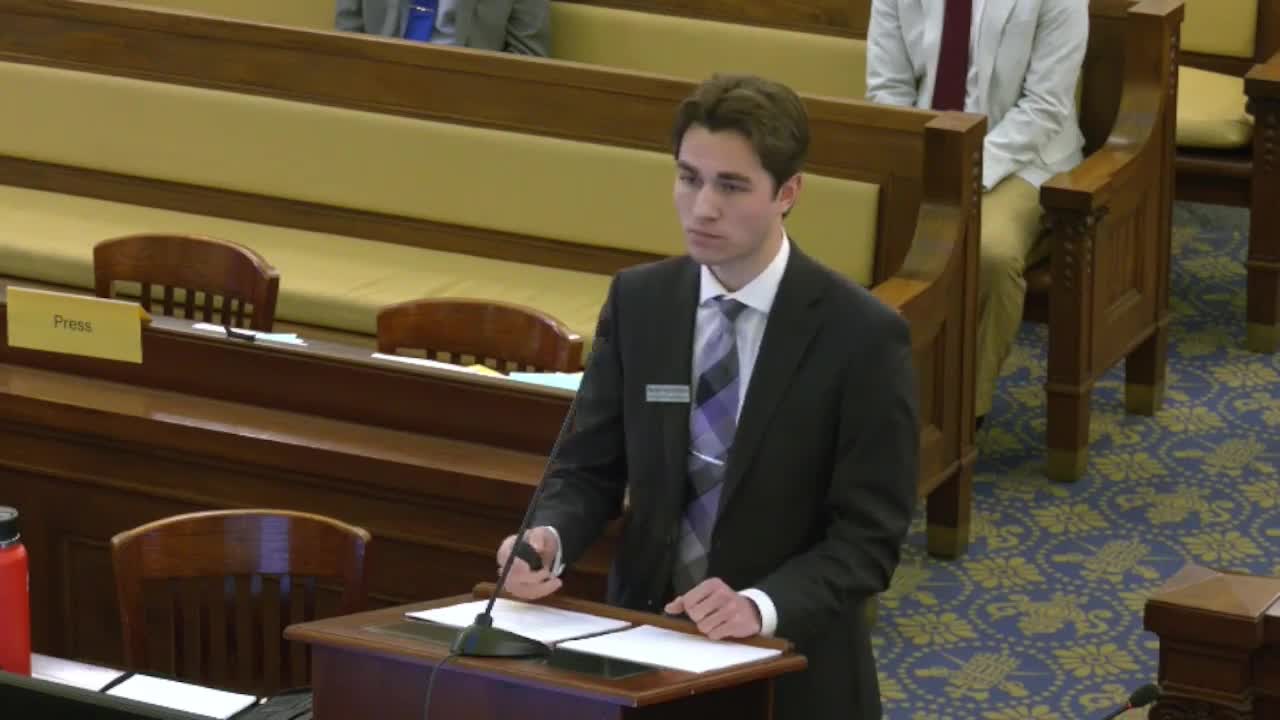
Noah Peterson, budget analyst for Legislative Services, said a mix of updated population projections and medical utilization increases generated the supplemental requests. The slides presented to the committee show a requested FY2026 ongoing population adjustment of about $4,027,900 to increase the base per‑diem appropriation, along with a medical services adjustment based on higher utilization that drove a $5,957,200 supplemental request to cover FY2025 shortfalls.
Peterson explained the department’s modelling assumed a successful negotiation with the current medical contractor, which would raise costs roughly 10% from the previous contract. He cautioned that if negotiation fails and the contract goes to competitive bid, medical costs could increase by 30% to 40%.
Committee members asked about county per‑diem rates. Peterson recited the rates shown in the materials: $57.50 per inmate per day for stays under seven days, $77.50 for stays of eight days or more, and $84.45 per day for out‑of‑state inmates. When asked how those rates are set, Director Josh Tewalt said the per‑diem rates for county housing are established in state law and were designed with a bifurcated structure to encourage the state to quickly pick up people from county jails and limit county backlog.
Why this matters: Population shifts and contract outcomes can create large, relatively sudden pressures on the corrections budget. If the state’s medical contract is rebid, lawmakers were told the department could face substantial additional costs.
Next steps: The department and Legislative Services will provide updated population projections and the results of medical‑contract negotiations to the committee during budget deliberations.