Get Full Government Meeting Transcripts, Videos, & Alerts Forever!
Get email alerts on the Immigration Benefits Verification topic
No spam. Unsubscribe anytime.
Committee advances bill to restrict some public benefits to people lawfully present after hours of debate
Summary
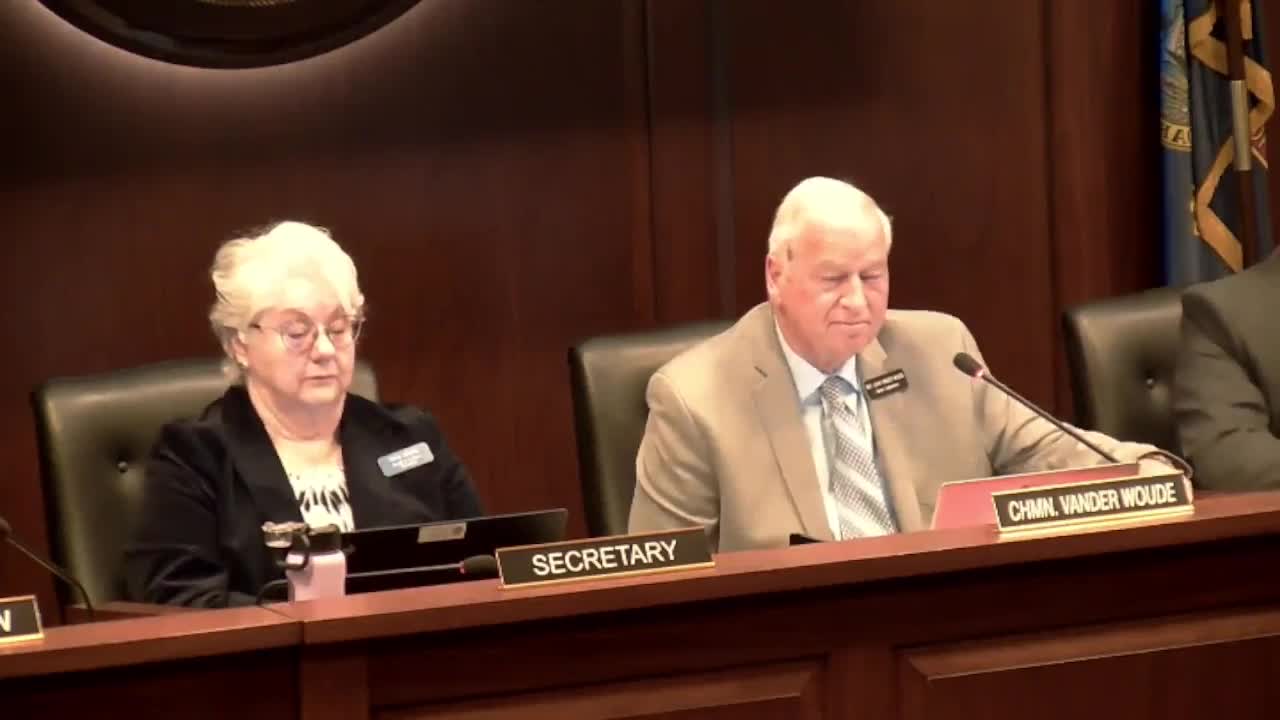
The House Health and Welfare Committee voted 10‑5 to send House Bill 135 to the floor with a "do pass" recommendation after hours of testimony on a measure that would require verification of lawful presence for many public benefits and remove some nonemergency benefits for people without lawful status.
The House Health and Welfare Committee voted 10‑5 to send House Bill 135 to the House floor with a "do pass" recommendation after extended testimony and debate over whether the measure would increase hunger and harm public-health outcomes.
Sponsor Representative Jordan Redmond said the bill removes certain nonemergency health and social benefits for people who cannot demonstrate lawful presence while preserving emergency care and actions necessary to protect life and public safety. “This bill removes non emergency health care benefits and some social benefits … it does not prohibit anyone that is here illegally from accessing emergency care,” Redmond said.
Supporters argued the bill conserves limited taxpayer resources. Clint Hostetler, a co‑sponsor, cited a 2024 study by the Federation for American Immigration Reform (FAIR) and presented state‑level estimates attributing fiscal costs to unauthorized immigration; he argued Idaho should not use taxpayer dollars for benefits for people not lawfully present. Nicholas Kleinworth of the Idaho Freedom Foundation echoed that argument, citing state data on health‑care costs since 2020.
Opponents, representing charities and health advocates, warned of unintended consequences. Randy Ford, president and CEO of the Idaho Food Bank, told the committee the bill could increase food insecurity and administrative burdens for charitable and government food programs; he said government‑funded programs such as CSFP and TFAP could be affected and that charitable donations cannot replace those programs. The Food Bank’s testimony also raised concerns that the bill could remove existing exemptions for food assistance for dependent children and make verification requirements unclear for programs such as WIC and school meals.
Lawmakers asked detailed policy questions. Representative Ekberg and others pressed sponsors on how the bill would treat a legally present child whose parent lacks documentation, and on how nonemergency care would be paid for when people present at clinics. Sponsors and supporters said emergency and public‑safety care would remain available; they described the bill as a deterrent to discourage migration driven by public‑benefit access.
The committee considered and rejected a substitute motion to keep the bill in committee. Representative Levitt moved to send the bill to the floor with a do‑pass recommendation; that motion passed on a recorded roll call (10 ayes, 5 nays). Committee discussion included exchanges about protecting children, public‑health risks from untreated contagious disease, administrative impacts on nonprofits, and the role of charity versus government in meeting basic needs.
House Bill 135 would require verification of lawful presence for many public benefits; it retains limited exemptions for emergency care and some narrowly specified services (the text discussed prenatal and postnatal care not to exceed 12 months and food assistance for dependent children in some drafting). Committee members asked the Department of Health and Welfare for clarification of application mechanics; department staff provided guidance that children with lawful presence would still qualify for benefits when properly verified. The bill will now move to the House floor for further consideration and potential amendment.