Get Full Government Meeting Transcripts, Videos, & Alerts Forever!
Get email alerts on the Medicaid Expansion topic
No spam. Unsubscribe anytime.
Legislators press department on Medicaid expansion costs, FMAP shift and policy levers
Summary
Lawmakers and the department debated why Medicaid spending exceeded early projections, the effects of FMAP changes, and what policy levers the state can use to limit growth in a federally defined entitlement program.
Committee members pressed Health and Welfare officials on Feb. 26 over rising Medicaid costs tied to expansion, provider rate increases and federal matching-rate changes.
Alex Williamson, the legislative analyst, told the committee the Medicaid expansion plan — implemented beginning January 2020 — and other factors such as provider rate increases and changes to upper payment limit calculations contributed to higher-than-expected spending compared with forecasts produced before the pandemic.
"The forecasts were based on what we call the Milliman Report," Williamson said, referring to the actuarial projection legislators used in 2018. "Those numbers, like any forecast, were a best guess. None of that took into account a global pandemic that came a couple of years later."
Representative Tanner voiced sharp frustration with the program’s growth, calling the added cost "out of control" and urging the legislature to seek new cost controls. "We have no levers to actually pull," Tanner said, arguing the state has limited authority over expansion-related spending and should consider policy changes to regain control.
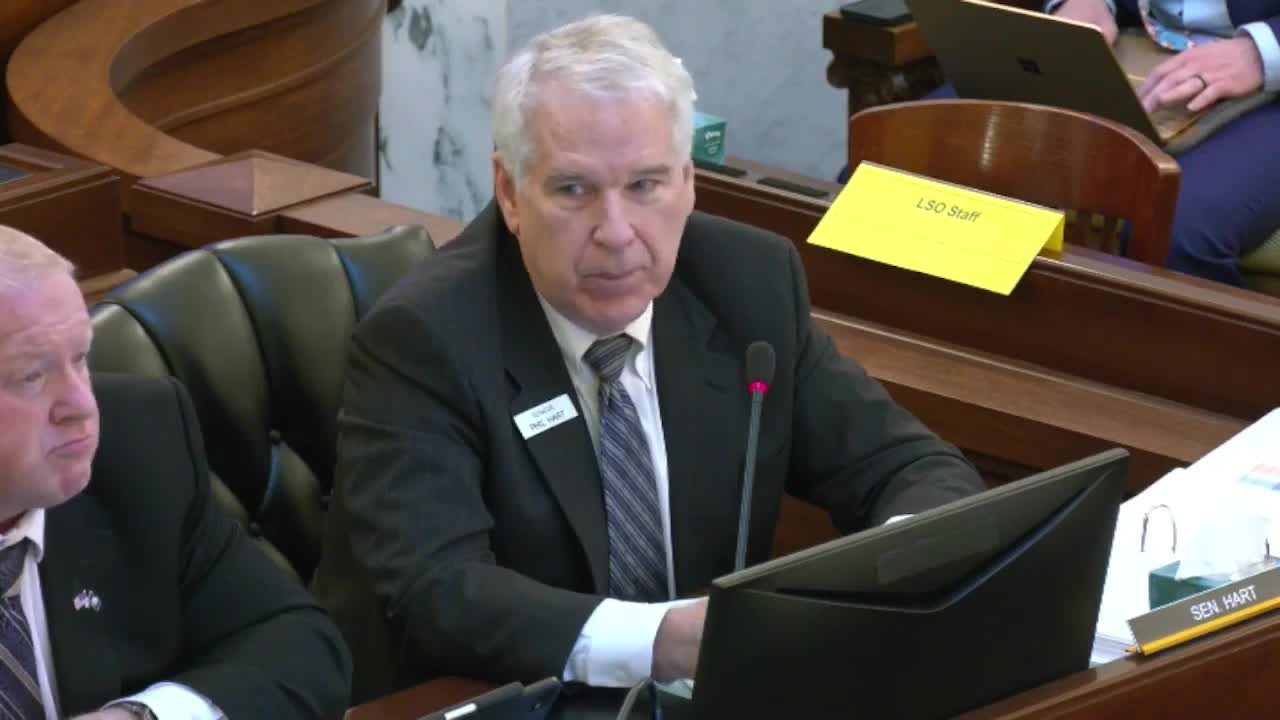
Senator Wintrow disputed the notion of repeal and said many newly enrolled beneficiaries presented higher acuity conditions that produced immediate costs when they accessed care. "When people actually got on the expansion population…their needs were more acute than anyone could ever even determine," Wintrow said, and she cautioned that removing coverage would shift costs elsewhere.
Director Alex Adams emphasized the constraints of administering a joint federal-state entitlement program: "I submitted as close to a maintenance budget as I could submit. I didn't ask to expand any benefits. I didn't ask to adjust any provider rates. I generally asked to extend status quo. And, notwithstanding that, you can see the budget still went up for all the reasons Ms. Williamson talked about." He added, "In many ways, it does feel like the feds cover 68% of the shots and 90% of the shots" for different program populations, highlighting how federal funding rules shape state exposure.
Adams also described the current 90/10 federal match for the expansion population and said if that match were reduced toward the state’s traditional FMAP (approximately 68/32), it could shift more than $200 million in costs to the state in a single year, depending on timing and tapering assumptions.
Why it matters: Medicaid expansion and federal matching formulas materially affect state budgets. Legislators asked for options and for greater engagement from the executive branch on policy tools that could limit long-term state exposure.
What’s next: Adams said his department can implement policy choices the Legislature adopts and that the department has supplied policy committees with a "menu of cuts" for consideration. Lawmakers signaled they may press policy proposals that change eligibility, benefits or payment structures to constrain growth.