Get Full Government Meeting Transcripts, Videos, & Alerts Forever!
Get email alerts on the Higher Education Budget topic
No spam. Unsubscribe anytime.
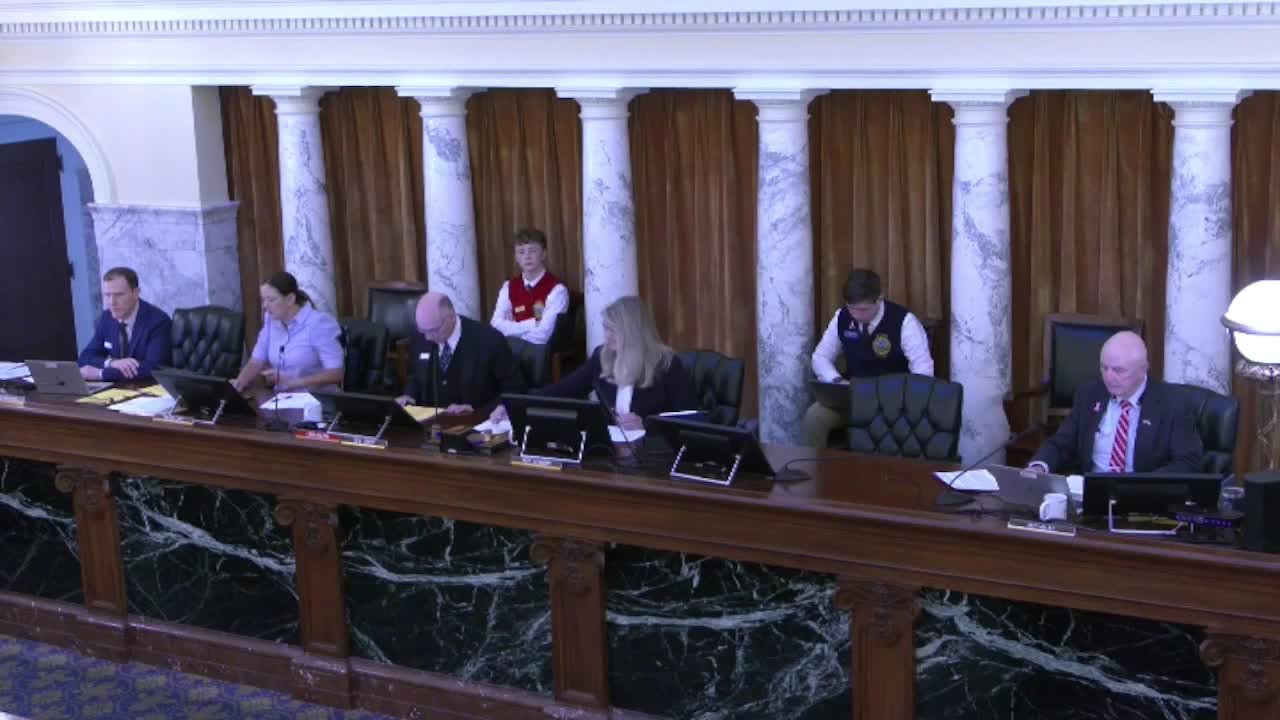
Joint finance panel debates higher-education cuts, orders DEI audits and oversight language
Summary
The Joint Finance-Appropriations Committee considered competing versions of the fiscal 2026 college and university budget Thursday, including a motion that would reduce $2,000,000 ongoing from Boise State University and $2,000,000 ongoing from the University of Idaho and a substitute that removed those cuts.
The Joint Finance-Appropriations Committee considered competing versions of the fiscal 2026 college and university budget Thursday, including a motion that would reduce $2,000,000 ongoing from Boise State University and $2,000,000 ongoing from the University of Idaho and a substitute that removed those cuts.
The committee ultimately failed a substitute motion 10-10 and then sent the original college-and-university motion to the Senate after the Senate side of the joint committee did not record a majority in favor. Separately the committee approved language requiring legislative audits of university DEI compliance and added oversight provisions related to ICOM negotiations and reporting to the committee.
Why it matters: The votes and the attached language aim to assert legislative oversight over how public universities handle programs and expenditures related to diversity, equity and inclusion (DEI), and to set conditions governing negotiation transparency for a potential University of Phoenix transaction that some lawmakers questioned. The outcomes will shape conversations on both the House floor and in the separate Senate consideration and set priorities for audits and reporting.
Representative Bryce moved the primary budget motion that included multiple line items: an operational capacity enhancement of $3,369,900; a health‑benefits correction for FY2025 that reduced operating expenditures offset by personnel cost changes; adjustments to the FY2025 CEC calculation; endowment adjustments from dedicated funds; an enrollment workload adjustment; $387,000 ongoing general funds for Lewis‑Clark State College salary adjustments; $1,000,000 ongoing for the Idaho Water Resources Research Institute; and reductions of $2,000,000 ongoing each from Boise State University and the University of Idaho. Representative Bryce said the motion was “trying to strike a compromise between what at least the House floor is looking for in a college and university budget and what has been proposed.”
Several lawmakers debated the $2 million reductions. Representative Petzke asked what programs would be cut and whether the reductions targeted specific programs or employees; the committee was told institutions would determine how to absorb reductions. Representative Tanner and other proponents framed the reductions as a legislative signal about university programming and institutional decisions. Coach Herrmann (identified in the transcript as a committee speaker) described the motion as a “pragmatic solution” meant to advance a budget the House could pass and said the net fiscal impact to Boise State would be small after other gains in the motion.
Opponents said the reductions would force cuts to academic programs or faculty. Representative Petzke said she had received a message from the University of Idaho saying an early‑stage program could be cut if the $2,000,000 reduction stands. Senator Galloway offered a substitute motion that removed the $2,000,000 cuts and increased systemwide funding in other line items; she urged the committee to recognize changes made by universities and to preserve legislative leverage for future negotiations. The substitute failed on a 10–10 committee vote. The original motion did not receive a legal majority on the Senate side of the joint committee and was therefore sent to the Senate for consideration.
On related language, the committee approved three separate provisions that will accompany the appropriation work: - Transparency and oversight for ICOM negotiations: language assigns lead agency status to Idaho State University for any ICOM negotiation, requires that the institution and the Office of the State Board of Education provide information on request to the Legislative Services Office, and prohibits entering nondisclosure agreements related to ICOM negotiations. The committee approved that language without recorded opposition. - Idaho Water Resources Research Institute funding direction: the motion added $1,000,000 general fund ongoing for systemwide operating support for the institute and directed reporting to the committee; that language was adopted. - Mandated DEI audits: the committee approved language directing the Legislative Audits Division to audit Boise State University, Idaho State University, Lewis‑Clark State College and the University of Idaho for compliance with Idaho code relating to diversity, equity and inclusion and to report to JFAC by Dec. 1, 2025. Representative Price moved the audit language; Senator Wintrow and others debated public‑service and student‑support implications. The audit language passed on a recorded 17–3 vote.
A separate proposed provision that would have redirected any funds recovered by the state as part of negotiations related to the University of Phoenix back to the general fund failed on the floor of the joint committee.
The committee proceeded by separating budget numbers from policy language, allowing the fiscal decisions and the oversight items to be considered independently before floor action. The college and university budget motion and language will now proceed to the Senate side of the Legislature for further consideration and floor votes.
The committee record shows extended debate across many members; committee leaders emphasized pragmatism and the desire to find a package that could advance to the House floor while opponents said the proposed reductions risked cutting academic programs or personnel.
Looking ahead: The appropriation items and the adopted audit and transparency requirements will remain subject to further floor votes and to any modifications the Senate may propose. The mandated audits and reporting deadlines create a timeline for legislators to review university compliance with existing restrictions on the use of state‑appropriated funds.