Get Full Government Meeting Transcripts, Videos, & Alerts Forever!
Get email alerts on the Dopl Audit And Budget Request topic
No spam. Unsubscribe anytime.
DOPL audit finds excess board cash balances; administrator seeks targeted pay increases and vehicle replacements
Summary
Legislative auditors flagged persistent excess cash balances across boards now under the Division of Occupational and Professional Licenses; DOPL requested targeted inspector pay increases and one‑time vehicle and hardware replacements as it works on fee reductions and reporting plans.
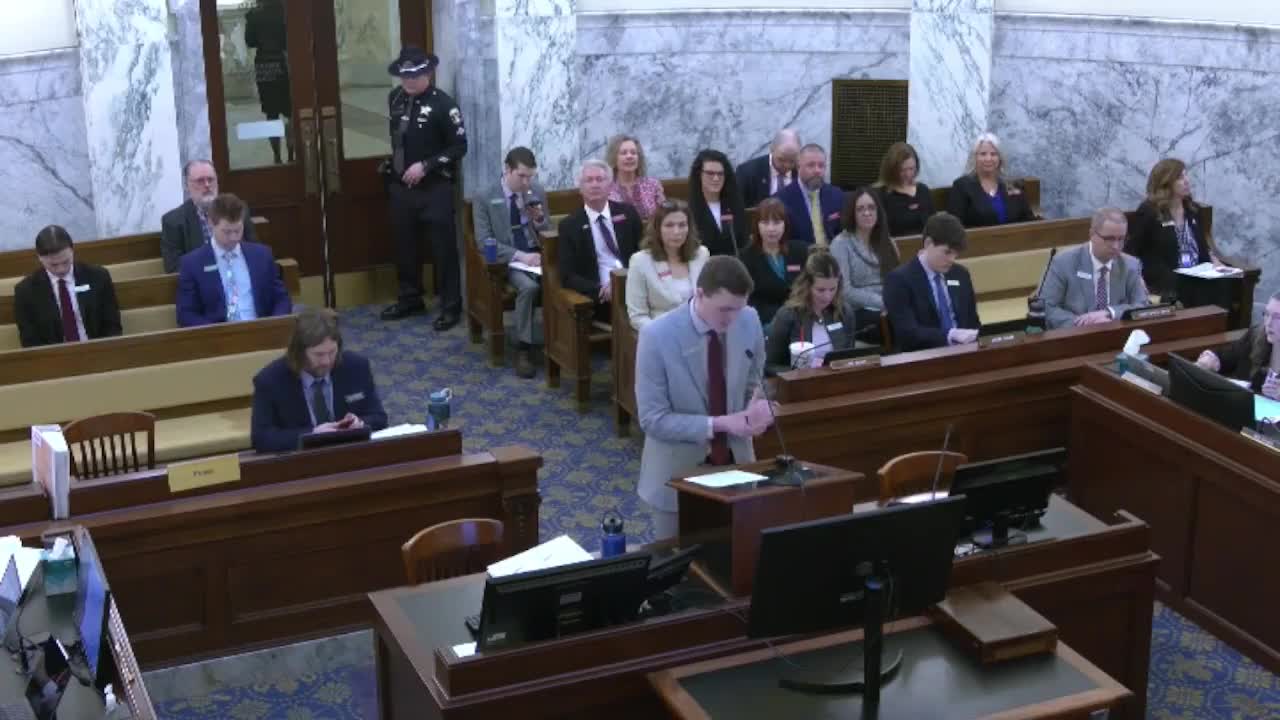
Legislative auditors and Division of Occupational and Professional Licenses officials told the Joint Finance‑Appropriations Committee on Feb. 6 that DOPL (the consolidated division that now administers professional licensing) continues to work to reduce excess cash balances held by individual boards and commissions while seeking targeted budget changes to address staff turnover.
Kellen McGurkin, budget and policy analyst, told the committee DOPL was created by House Bill 318 in 2020 and consolidated 11 predecessor agencies and their boards into a single division. McGurkin said DOPL now supervises roughly 45 boards and commissions covering hundreds of professions and tracks approximately 200,000 licensees in board records; later in the hearing the administrator said the figure is approaching 300,000 licensees in aggregate.
Audit staff summarized open findings from a November 2024 report focused on board cash balances and the allocation and reporting of indirect expenditures. April Renfro, Legislative Audit, said auditors are working with the division and boards on corrective plans and noted the long‑standing finding about excessive cash balances. Renfro described a reasonableness range auditors use: a board holding more than roughly 125% of needed reserves may be excessive, while less than about 30% may be too low; DOPL has provided multi‑year reports on planned reductions.
Administrator Russ Baron said DOPL has taken steps including fee reductions, proposed fee‑holiday authority in legislation, and internal reorganizations. Baron said the division moved administrative FTP and costs into professional bureaus in FY2025, implemented a new licensing system, and has been working with boards on planned fee adjustments; he said some cash balances stem from the timing of licensing cycles and multi‑year reserves carried forward.
Baron and staff described operational pressures tied to a high turnover rate among construction and trade inspectors. The division requested an ongoing FY2026 appropriation equivalent to an average $0.95‑per‑hour increase across 92 FTP for Bureau of Building, Construction and Real Estate inspector positions, citing turnover (12%–67% in recent years by program) and vacancies that have sometimes lasted months. DOPL also requested $900,500 in one‑time dedicated funds for vehicle replacements (detailed fleet list provided) and $146,401 in one‑time dedicated funds for hardware recommended by Office of Information and Technology Services.
Audit and DOPL staff told the committee they expect reappropriated funds tied to a new licensing system to be spent soon, and that fee holidays and fee reductions will take time to affect cash balances. Auditors and DOPL said follow‑up reviews will continue; the division also noted an administrative transfer exemption has been requested to allow one‑time transfers between bureaus to align funding while balances are restructured.
Committee members asked for more granular cash‑balance breakdowns by board and a copy of DOPL’s cash‑balance plan; the administrator agreed to provide detailed reports to the committee. No formal committee vote on DOPL-specific enhancements occurred at the Feb. 6 hearing; requests were presented for the committee’s consideration.