Get Full Government Meeting Transcripts, Videos, & Alerts Forever!
Get email alerts on the Appropriations Law topic
No spam. Unsubscribe anytime.
Legislative legal counsel outlines the legislature’s 'power of the purse' and statutory limits on appropriations
Summary
Elizabeth Bowen, legislative legal counsel, reviewed constitutional origins of legislative appropriations, limits such as the balanced‑budget requirement and the item veto, statutory duties of JFAC, and how conditions and restrictions attached to appropriations must be observed.
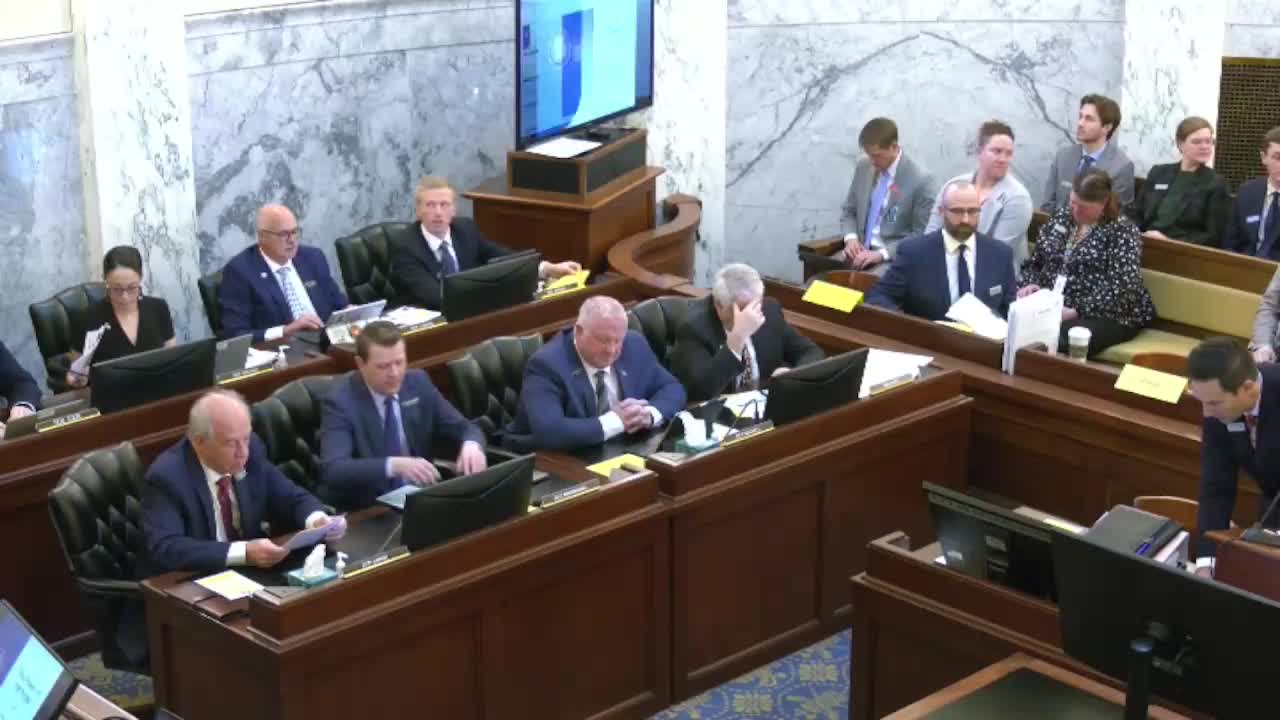
Elizabeth Bowen, legislative legal counsel with the Legislative Services Office, provided JFAC members a legal primer on the legislature’s authority to appropriate public monies and the constitutional and statutory constraints that govern appropriation bills.
Bowen traced the power of appropriation to the legislature’s plenary authority under the state constitution and described legal limits that matter to appropriation drafting and oversight. She emphasized Article 7, Section 13 of the Idaho Constitution — “money can be withdrawn from the state treasury only pursuant to an appropriation made by law” — and the balanced‑budget requirement in Article 7, Section 11 that appropriations may not exceed tax revenues except in specified circumstances.
Key legal points
- Appropriation acts are ordinary statutes and are subject to constitutional requirements applicable to all laws (enacting clause, unity of subject, plain language for amendatory acts). - The governor’s item veto applies to appropriation bills but only to dollar amounts in the bill, not to conditions attached to an appropriation. - Conditions, limitations and restrictions attached to appropriations are enforceable: Bowen cited case law stating that where the legislature places a condition on how appropriated money may be spent, that condition must be observed.
Statutory duties and committee authority
Bowen identified the principal statutory chapters governing the budget process (Title 67, chapters 4, 35 and 36) and summarized JFAC’s authorities, including the duty to review executive budgets, conduct hearings, and draft appropriation bills (Idaho Code 67‑35‑14). She noted the committee’s authority to issue subpoenas and administer oaths if necessary to carry out oversight.
Why it matters
Understanding the legal framework helps members draft appropriation language that achieves policy goals while avoiding constitutional or statutory infirmities. Bowen reminded members that appropriation language commonly includes conditions and that they function as legal directives that agencies must follow.
Ending
Bowen answered committee questions about transfers, conditions and the item veto and then concluded her remarks; members thanked her for a legal overview that frames JFAC’s deliberations.