Get Full Government Meeting Transcripts, Videos, & Alerts Forever!
Get email alerts on the State Budget General Fund topic
No spam. Unsubscribe anytime.
JFAC staff: Governor's FY2026 recommendation leaves roughly $700 million structural balance; transfers, bond closeout and savings highlighted
Summary
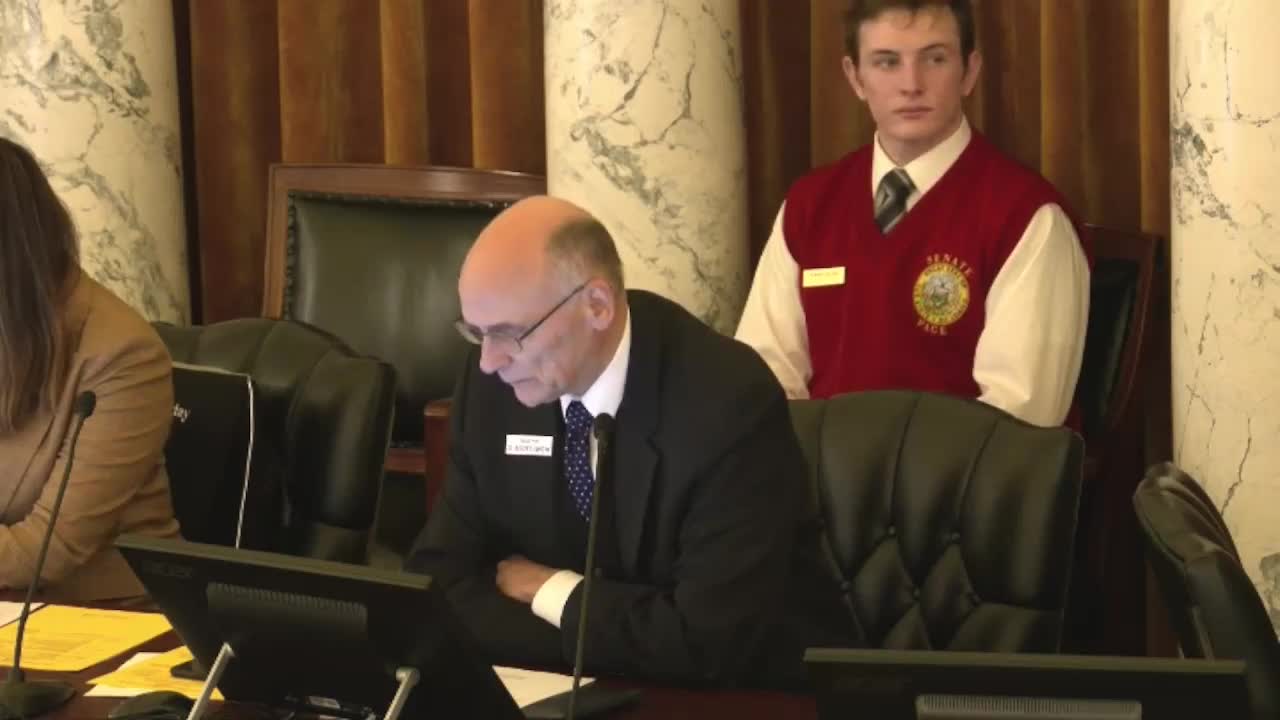
Keith Bybee, division manager of Budget Policy Analysis for the Legislative Services Office, told the Joint Finance‑Appropriations Committee the governor’s FY2026 budget recommendation projects roughly a $700 million structural balance and includes transfers for transportation, fire suppression and other items alongside deposits to savings accounts.
Keith Bybee, division manager of Budget Policy Analysis for the Legislative Services Office, told the Joint Finance-Appropriations Committee on the morning the governor’s recommended budget projects a continuing structural balance of roughly $700 million for fiscal 2025 and fiscal 2026.
Bybee said the state’s pattern of revenue growth changed during the COVID years, rising from about $4 billion before 2020 to more than $6.2 billion after federal relief and rapid population growth. “Because there’s been such significant population growth, we won’t revert back to that trend line of about 4% growth,” he said, describing a new baseline nearer $5.7 billion in ongoing revenue.
The governor’s recommendation shows roughly $5.9 billion in ongoing general fund revenue for 2026 and projected general fund expenditures of about $6.26 billion, producing the cited structural delta. Bybee said the structural balance gives the legislature “a lot of choices” — including tax relief, program increases, or increased savings.
Why it matters
The committee was shown how that structural balance underlies decisions about one-time transfers versus ongoing commitments. The governor’s proposal includes both spending transfers and deposits to savings accounts — examples include a proposed $311 million transfer to the Idaho Transportation Department for road and surface transportation projects, a proposed $60 million transfer to a fire suppression deficiency warrant account, and a $15 million addition for workforce housing programs.
Bybee described a technical but significant item: the closeout of the old bond levy equalization program under House Bill 521, which, he said, will transfer about $62.8 million back to the general fund because the statute creating the old program was deleted. “House Bill 521 closed out that bond levy equalization program and created a new bonding structure,” Bybee said; the committee discussed whether returning that cash is primarily a timing matter related to new school bonding under the replacement program.
Savings accounts and fiscal shock readiness
The presentation detailed the state’s key savings accounts. The governor’s recommendation includes a proposed $59 million transfer to the Budget Stabilization Fund; if approved at that level the fund would reach about $939 million and would be near its statutory cap (15% of general fund revenues). Bybee noted last year’s legislative action temporarily set aside the statutory cap mechanics so money exceeding the cap can remain in the stabilization account rather than automatically reverting to the general fund.
The Public Education Stabilization Fund was shown rising under the recommendation to about $293.6 million; Bybee described that fund as an overdraft mechanism to smooth public school support payments when support unit calculations vary from appropriated amounts.
Context and process notes
Bybee walked JFAC members through the legislative budget book cash reconciliation reports and emphasized that the figures he presented are drawn from the governor’s recommendation and from current law as recorded in the Legislative Budget Book. He identified executive carry forward and reappropriation as mechanical ways the executive branch and the legislature, respectively, handle legally obligated but unspent funds across fiscal years (Bybee used examples such as a vehicle purchase that has an obligation before the vehicle is delivered).
Committee discussion and follow-ups
Members asked for follow-ups and further detail. Representative Furness and others asked where interest earnings on set-aside cash appear; Bybee referred that question to the treasurer’s office presentation scheduled later in the day and to LSO staff who maintain cash and interest reports. Representative Tanner asked for details about the governor’s emergency fund and prior uses; staff said they would follow up with the committee. Several members stressed that legislative initiatives will still require funding choices and that the committee should leave room for policy proposals that require appropriations.
Ending
Bybee closed by noting program maintenance and enhancement totals in the governor’s recommendation: a program maintenance general-fund base near $5.4 billion (a mid-single-digit percent increase from FY2025 original appropriations), proposed enhancements of roughly $242 million, and a total general fund appropriation recommendation around $5.65 billion for FY2026. He flagged that work on program maintenance and enhancement decisions will dominate JFAC’s upcoming schedule.