Get Full Government Meeting Transcripts, Videos, & Alerts Forever!
Get email alerts on the Administrative Law topic
No spam. Unsubscribe anytime.
Board of Tax Appeals requests $29,200 to raise member per diem from $300 to $400
Summary
The Board of Tax Appeals asked JFAC to fund a $29,200 ongoing increase to raise per diem for its three part-time board members, citing workload, training and an 80-day work model; the change would require amending Idaho Code 63-3804.
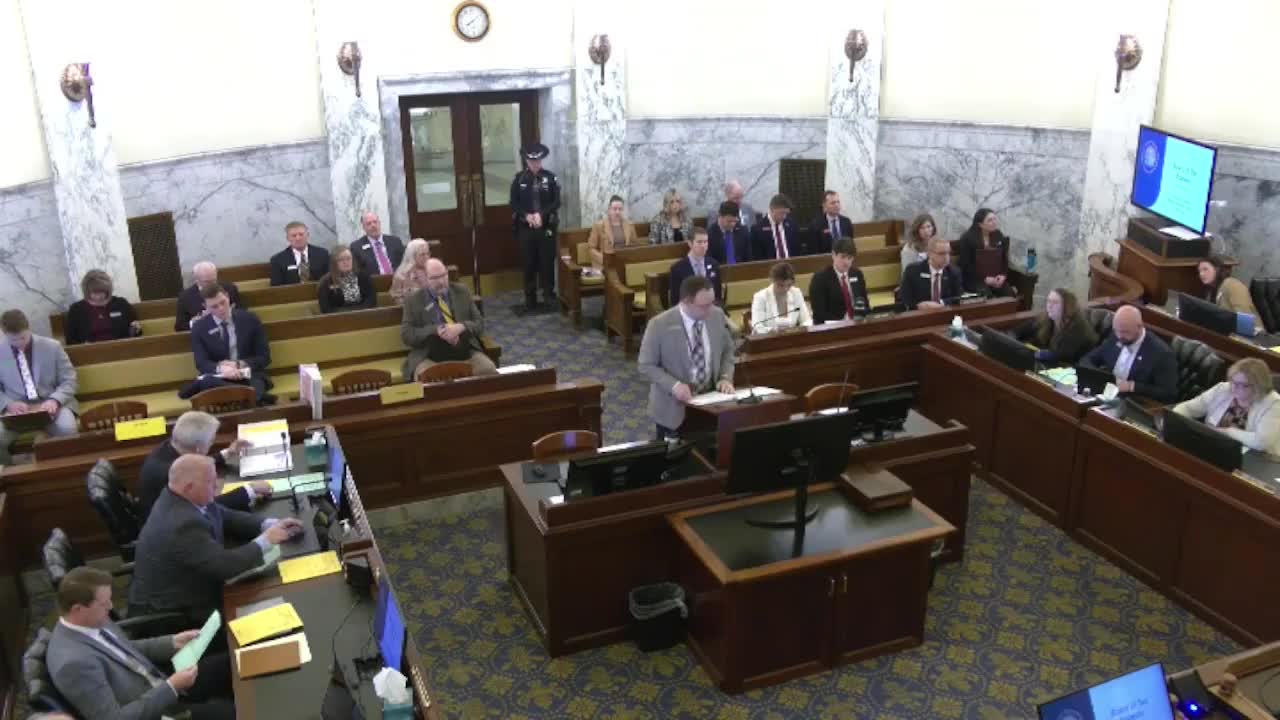
Christopher LaHozet, a budget and policy analyst with the Legislative Services Office, presented the Board of Tax Appeals' FY2026 budget request, including a $29,200 ongoing general-fund ask to raise the board members’ per diem from $300 to $400 per day.
LaHozet said the three-member board functions as administrative law judges at quasi‑judicial hearings around the state and that the per diem increase would raise the equivalent hourly rate from about $37.50 to roughly $50, using the agency’s 80‑day work model. He noted the change would require legislation to amend Idaho Code section 63-3804.
Cindy Pollock, director of the Board of Tax Appeals, told the committee the board is funded for and limited to 80 work days annually and that members perform prep, travel and decision-making time in addition to hearing days. "The board is only allowed to work 80 days," Pollock said. She described a training pipeline that includes a two-week judicial college and about a year of on-the-job mentoring before members conduct hearings independently.
Why it matters: the appeals board adjudicates taxpayer disputes with county assessors and the Idaho State Tax Commission; Pollock said the agency’s typical caseload is approximately 300 cases per year but can spike (she cited a year with 600 appeals from one county and other years with the need for supplemental board time). LaHozet said approximately 80% of the agency’s expenditures are for personnel and the agency operates with four full-time positions following a prior reduction.
Members asked whether per-diem pay accounts for prep time and how reversion history affects the request. Pollock said the board breaks prep and decision time into hourly components within the 80‑day limit and that the agency historically reverts unused funds; Representative Tanner noted a reversion of roughly $80,000 in 2024. Pollock also said a 10‑year average indicated appellants obtained a full or partial modification in about 39% of appeals.
No formal action or vote was taken during the hearing; the presentation and questions were informational and intended to inform committee consideration of the enhancement and any enabling legislation.