Get Full Government Meeting Transcripts, Videos, & Alerts Forever!
Get email alerts on the Budget Hearing Process topic
No spam. Unsubscribe anytime.
Staff outline new, condensed budget hearing format and SharePoint materials
Summary
Janet Jessup of LSO walked the committee through the new one‑and‑a‑half hour morning hearing format, the consolidated fund analysis, the five‑year appropriation snapshots and SharePoint organization to speed review and improve access to agency budget materials.
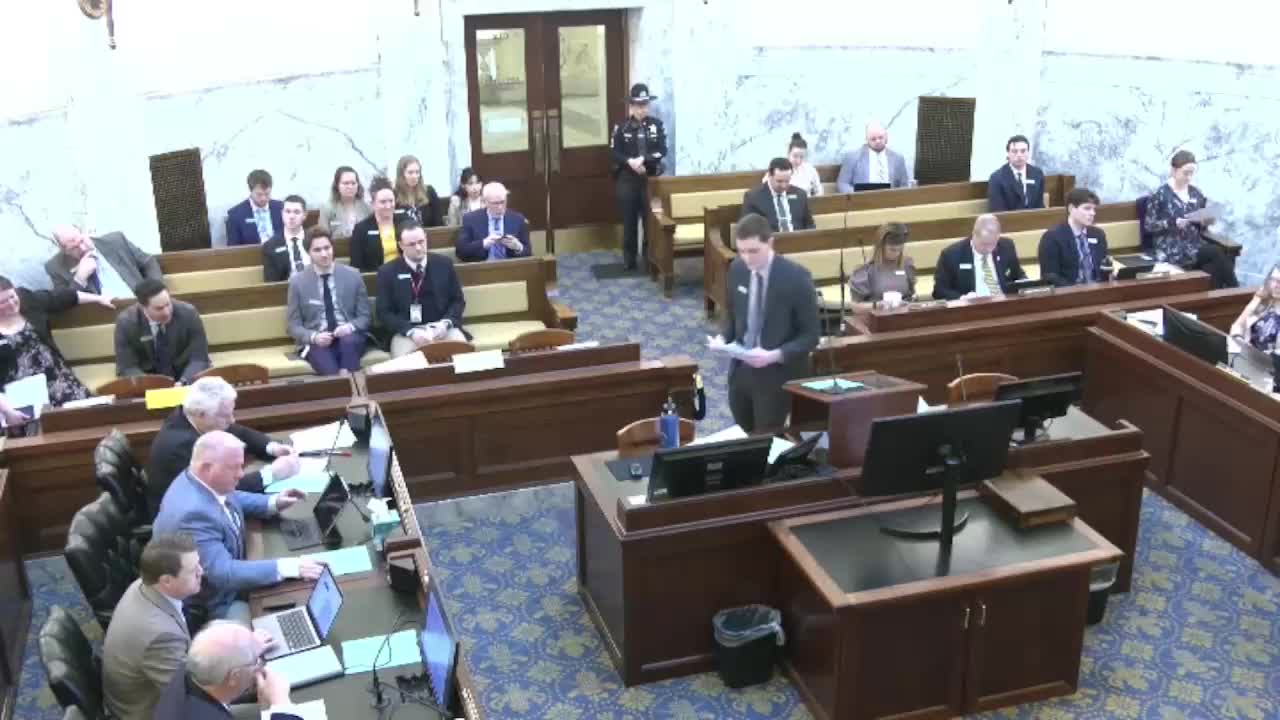
Janet Jessup, budget and policy analyst with the Legislative Services Office, briefed the Joint Finance and Appropriation Committee on Jan. 7 on the committee's revised budget-hearing process, the materials analysts will use, and how members can access supporting documents.
"Consistently for every single budget you're going to be hearing a lot of the, a lot of similar information," Jessup said, summarizing the standardized slides members will see for each agency: an agency description, organizational structure and FTP counts, a consolidated-fund analysis (dedicated funds), a five‑year appropriation and expenditure trend, and recent budget enhancements.
Jessup explained the consolidated-fund-analysis table introduced last year shows beginning balances, receipts and expenditures for dedicated funds that are specific to agencies. She highlighted the five‑year base snapshot and a breakout of ongoing versus one‑time enhancements so members can distinguish permanent base changes from one‑time spending.
She said personnel-cost presentation will include full-time positions, vacancy information and a five‑year average to help members spot unusual staffing trends. Jessup advised members that account categories (personnel costs, operating expenditures, capital outlay and trustee/benefit payments) remain the organizing principle and that some agencies have requested statutory exemptions that allow different transfers among categories.
On materials access, Jessup demonstrated the SharePoint location and named the expected file ordering: legislative budget book pages, LSO budget slides, agency slides, and hearing follow-up materials. She asked members to use the "modified" column to find recently added documents and to avoid downloading entire folders daily.
Committee co-chairs emphasized expectations: hearings have been shortened from roughly three hours to 90 minutes and focus on material changes and enhancements; members should attend promptly because these presentations are the primary opportunity to hear about agencies not covered in their work groups.
Jessup and co-chairs also discussed salary-savings patterns and cautioned that one‑time salary savings should not be used to fund ongoing compensation increases. Members were told analysts can provide agency‑specific explanations for high or low personnel-cost utilization.
No formal committee action was taken during the briefing. The co-chairs asked members to be present and punctual for morning hearings and to coordinate with co-chairs if they must be absent or excused during JFAC time.
Ending: The revised hearing format and SharePoint organization are intended to provide faster, more transparent access to budget materials; analysts will supply additional detail in work-group meetings and agency hearings.