Get Full Government Meeting Transcripts, Videos, & Alerts Forever!
Get email alerts on the Committee Procedures topic
No spam. Unsubscribe anytime.
House Education Committee chair lays out ground rules, limits for testimony and debate
Summary
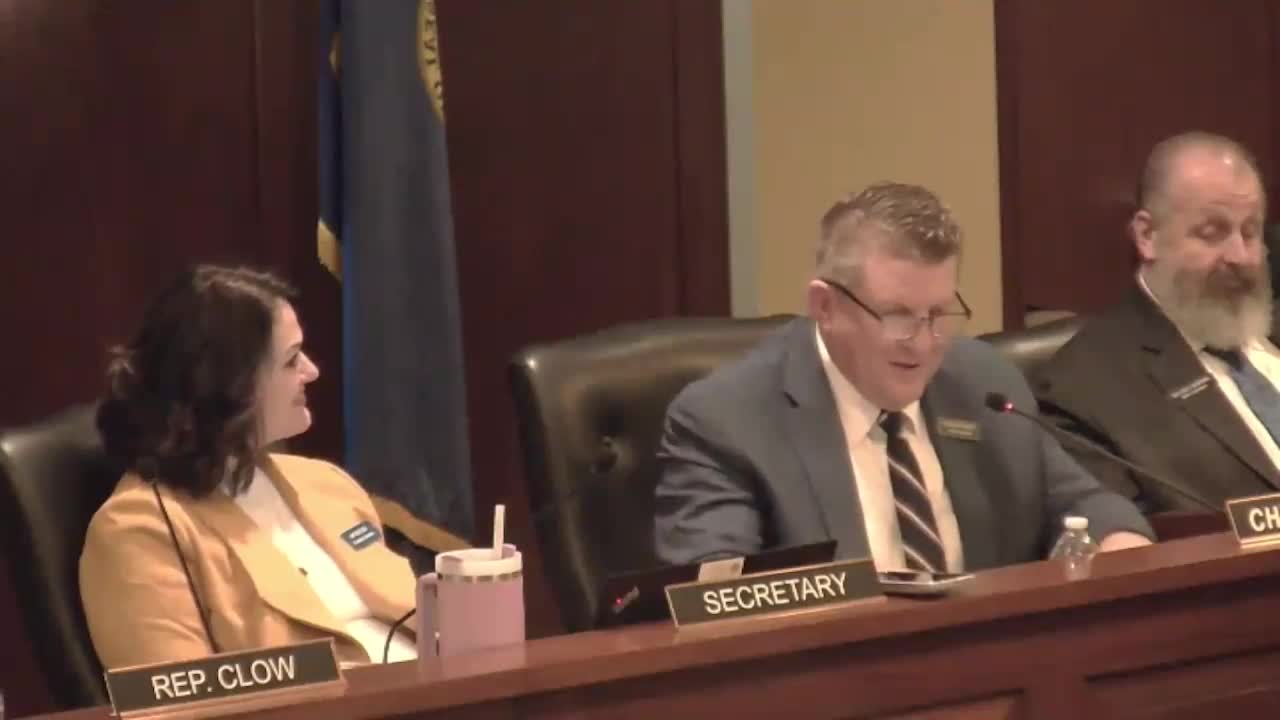
Chairman Doug Pickett opened the Idaho House Education Committee’s organizational meeting with introductions and a detailed set of operating rules for the session, including a declaration that the panel will be paperless and guidance on time limits, voting procedures and the handling of RS files.
Chairman Doug Pickett opened the Idaho House Education Committee’s organizational meeting with introductions and a detailed set of operating rules for the session, including a declaration that the panel will be paperless and guidance on time limits, voting procedures and the handling of RS files.
Pickett said the committee had “declared ourselves to be a paperless committee” and asked members to report any accommodation needs. He instructed members to treat RS (request/statement) files on their OneDrive as private until a sponsor introduces them and to seek the sponsor’s permission before sharing. “To me it’s important that an RS is private until it’s introduced,” Pickett said.
The chair set expectations for bill hearings: presenters will have five minutes to present a bill and up to five minutes for a sponsor’s closing statement; public testimony will be limited to two minutes per person and remote testimony will be allowed with in‑person testimony given preference. “If somebody makes the effort to be here we'd like to accommodate their commitment and their sacrifice,” Pickett said. The committee will generally meet at 9 a.m., he added, and has no current plans to meet on Friday mornings.
On debate and voting, Pickett asked members to route questions through the chair and to avoid campaigning or editorializing in committee remarks. He said the committee will use voice votes unless a roll call is requested ahead of the vote; members can also ask to have their dissent recorded. Pickett also said the committee will not entertain a motion to call the previous question in committee, noting that such a motion is appropriate only on the House floor and requires a two‑thirds vote there.
Pickett reviewed the range of motions the committee may use: due‑pass recommendations to move a bill to the floor, do‑not‑pass motions, holding bills in committee or to a time certain (which must specify a date), amendments, and sending bills to general orders. He reminded members that printed bills need floor sponsors and that agency bills should have sponsors from the committee. He also asked members to review RS statements of purpose and fiscal notes for adequacy under Joint Rule 18 and to raise concerns with sponsors so those documents can be corrected before bills advance.
The meeting opened with short introductions from committee members representing districts across the state, and included a brief welcome to the committee page, Alexandria. Other housekeeping items Pickett covered included seating by seniority and a request that meeting folders left in the room be kept for future use.
No votes or formal actions were taken at the meeting; members spent the session on introductions and establishing procedures for the remainder of the session.