Get Full Government Meeting Transcripts, Videos, & Alerts Forever!
Get email alerts on the State Budget Overview topic
No spam. Unsubscribe anytime.
JFAC staff outlines governor's FY2025–26 budget framework, $700 million structural surplus noted
Summary
Keith Bybee, division manager for budget policy analysis at the Legislative Services Office, told the Joint Finance-Appropriations Committee that the governor's revenue forecast yields roughly a $700 million structural cushion for FY2025–26, while recommending program maintenance spending of about $5.4 billion and total FY2026 general‑fund appropriations near $5.65 billion.
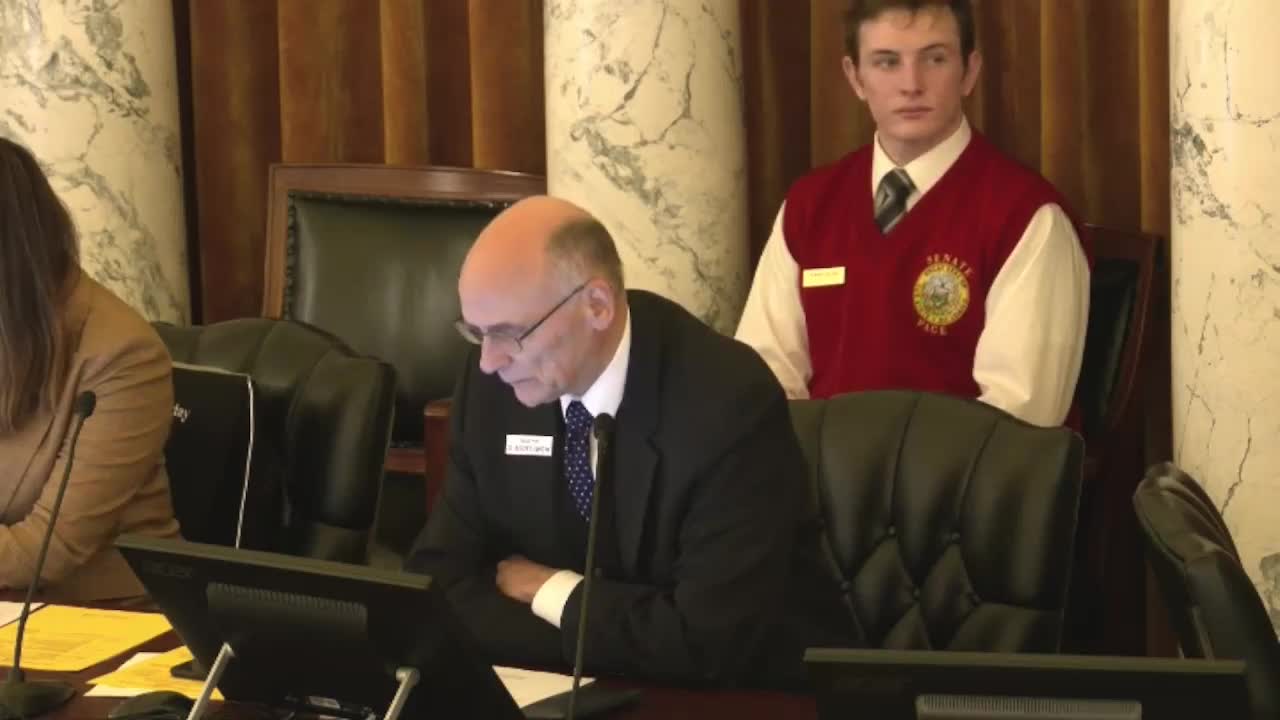
Chairman Grohl convened the Joint Finance-Appropriations Committee, and Keith Bybee, division manager for budget policy analysis with the Legislative Services Office, presented a state general fund overview and the governor's FY2025 and FY2026 budget recommendations.
Bybee said the state’s projected structural balance — the gap between ongoing revenues and ongoing obligations — is about $700 million for FY2025 and remains roughly the same in FY2026 under the governor’s revenue forecast. He told the committee the governor’s baseline revenue recommendation for FY2025 is about $5.9 billion and that the governor’s recommended total appropriations for FY2026 would result in a program-maintenance general-fund baseline of about $5.4 billion and a total recommended general-fund appropriation near $5.65 billion (a 7.4% increase over FY2025 original appropriations).
The presentation traced recent revenue growth to pandemic-era federal relief and historic population increases, and it emphasized that the state’s new long-term revenue trend is higher than the pre‑2020 line. “The good news … is the legislature has really managed its finances to put yourself in a position to make changes that are reflective of the policy,” Bybee said. He warned, however, that elected officials face choices about using the structural surplus for tax relief, new ongoing spending, or saving.
Bybee walked members through the cash-reconciliation and appropriation benchmarks that feed the FY2026 starting point: the committee will begin with the FY2025 original appropriation, adjust for reappropriations and executive carry‑forward authority, then set program maintenance changes (benefits, contract inflation, statewide cost allocation, employee compensation and public school support) and consider enhancements. He said the governor’s package uses a mix of ongoing revenues and roughly $160 million of one‑time cash for FY2026.
Bybee gave numeric highlights the committee used to frame its work: a projected FY2025 ending cash balance of about $338 million under the governor’s proposal and a FY2026 projected ending balance of about $227 million. He also showed a multi‑year projection that includes a notional FY2027 expenditure figure based on average historical growth but noted that the FY2027 number is a projection, not a proposal.
The presentation closed with a reminder that the committee must translate policy choices into budget decisions during the working group schedule and that staff and analysts are available to answer detail questions when agencies make their presentations.
Why it matters: the figures and decision‑unit framework Bybee described set the numeric boundaries for JFAC’s appropriation decisions this session — how much can be dedicated to school support, public safety, tax relief, or savings vs. how much must be left available for future years’ obligations.
Looking ahead: the committee will hear agency presentations and weigh program maintenance adjustments and enhancements in upcoming working days; staff told members the governor’s recommendation is only a starting point for legislative choices.