Get Full Government Meeting Transcripts, Videos, & Alerts Forever!
Get email alerts on the Appellate Public Defense topic
No spam. Unsubscribe anytime.
Appellate public defender requests deputy attorney post, argues hiring saves money versus contracting
Summary
The Idaho Office of the State Appellate Public Defender told the Joint Finance–Appropriations Committee it is requesting an additional attorney position to absorb overflow appellate work and reduce expensive outside contracting; analysts presented cost comparisons showing contracting overflow can exceed hiring costs.
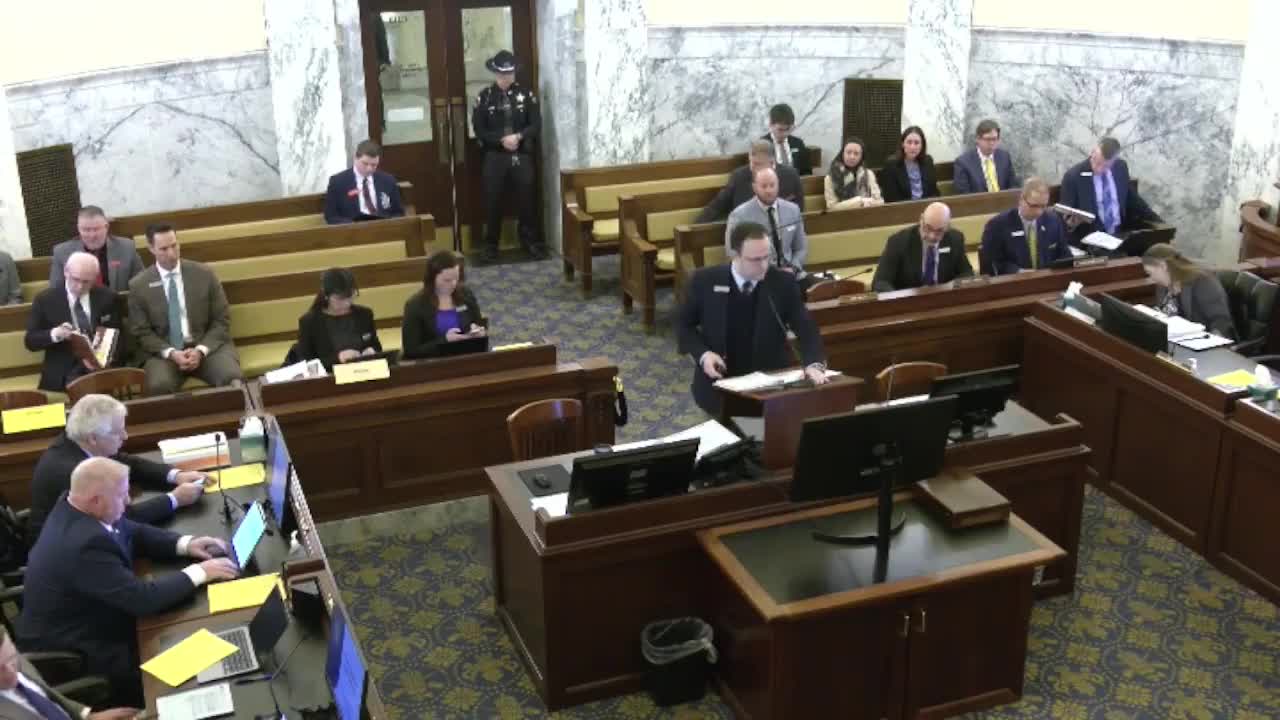
The Idaho Office of the State Appellate Public Defender told a Joint Finance–Appropriations Committee hearing it is requesting authorization and funding for an additional deputy state appellate public defender to reduce the office’s reliance on outside contractors for overflow appellate work.
Christopher Lahoset, a budget and policy analyst with the Legislative Services Office, told the committee the appellate office has 26 authorized full‑time positions, reported no vacancies as of Dec. 15, and that about 85% of expenditures were personnel costs. Lahoset said the office requested the new position because continuing to contract overflow cases was estimated to cost about $254,000 per year, while hiring an in‑state attorney at a salary of about $140,000 would yield savings for the agency.
The agency representative identified as Eric Leightonen (introduced in the hearing as "Eric Leightonen, State Appellate Public Defender") explained how assignments are distributed across attorneys. He said the appellate unit currently has about 13 attorneys handling roughly 650 cases in the fiscal year and that the office tailors assignments to attorney experience so junior attorneys do not receive the most complex matters immediately.
Leightonen and committee members discussed turnover and the causes. The director said recent turnover was in part attributable to the creation of the new state public defender office and staff movement related to that transition. The appellate office confirmed it contracts in two circumstances: mandatory conflicts (where state attorneys cannot ethically represent a client) and discretionary overflow when caseloads exceed internal capacity. The office reported spending on overflow contracting in FY24 and FY25 and that contracting is more expensive and can carry costs across multiple fiscal years; the office said about 14 cases went to outside counsel in the last 18 months.
Committee members asked whether hiring the requested attorney would shift existing attorneys’ duties or merely redistribute the caseload; the director said the new position would become the thirteenth attorney in the appellate unit and would take a share of an estimated total caseload rather than exclusively all non‑capital matters.
The committee did not take a vote. The analyst and agency offered to furnish additional documentation on the cost comparisons between contracting and in‑house staffing, and the office stood ready to answer follow‑up questions about caseload projections, staffing utilization and long‑term hiring plans.
The presentation and exchange highlighted three practical points for the committee: the appellate office’s current staffing and near‑term caseload estimates, the agency view that hiring an additional attorney is cost‑effective versus contracting overflow, and the role of conflicts and mandatory outside counsel in the office’s contracting needs.