Get Full Government Meeting Transcripts, Videos, & Alerts Forever!
Get email alerts on the Budget Hearing Process topic
No spam. Unsubscribe anytime.
JFAC staff outline shortened hearing format, consolidated materials and new SharePoint navigation
Summary
Legislative budget staff explained a shorter daily hearing window, standardized slide packages, consolidated online materials (SharePoint) and new consolidated fund analysis and five‑year snapshots to help members review agency budgets.
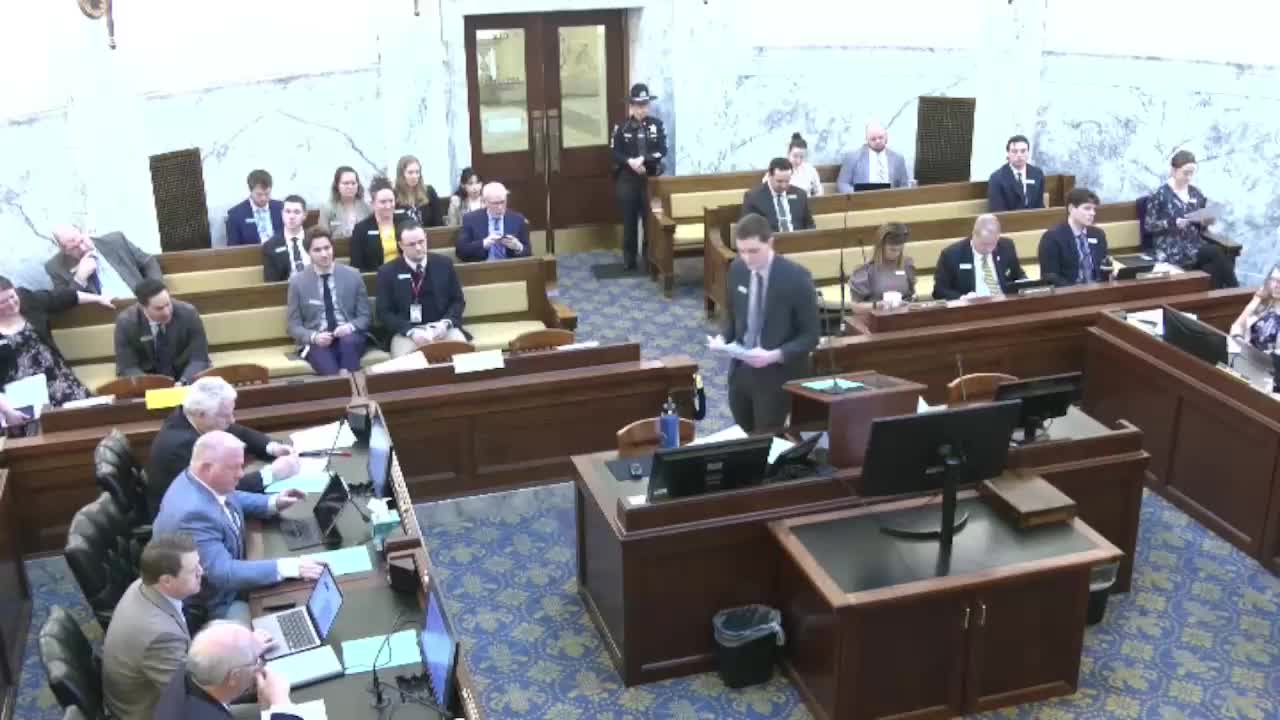
Janet Jessup, budget and policy analyst with the Legislative Services Office, briefed the Joint Finance and Appropriations Committee on Jan. 7 on the committee’s updated budget‑hearing format, the structure of agency slides and the new SharePoint repository for hearing materials.
Jessup explained that the committee moved from three‑hour daily presentations to a focused 90‑minute morning hearing block with a standardized slide packet for each agency. Typical presentation elements include an agency description and statutory context, organizational structure and full‑time personnel (FTP) counts, a consolidated fund analysis showing dedicated funds, a five‑year trend of appropriations and expenditures, recent expenditures (FY2024), and three years of enhancement history (ongoing and one‑time changes).
She said the consolidated fund analysis is intended to show beginning balances, receipts, expenditures and ending free fund balance for each dedicated fund that supports an agency’s operations. Jessup noted dedicated funds are usually tied to statutory revenue sources (fees, loans, grants) and generally cannot be used by other agencies.
Account categories and vacancy context
Every presentation will include a pie chart or similar breakout by account category (personnel costs [PC], operating expenditures, capital outlay, trustee and benefit payments). Jessup noted the materials also provide five‑year averages and vacancy data so members can see whether personnel spending or FTP counts are rising or falling relative to prior years. “We have added this information because…you can see is this current year new? Is it lower than normal, higher…so that’s why that’s there,” a co‑chair said during discussion.
Jessup also walked members through how budget enhancement history is shown (ongoing versus one‑time additions) and noted that last year’s treatment of Cost‑of‑Employment or CEC adjustments produced slide artifacts that will be handled differently this session.
SharePoint and meeting materials
Committee staff demonstrated how hearing packets and agency materials are organized in SharePoint by page number and PDF type so members can quickly find the legislative budget‑book pages, LSO slides, agency slides and any hearing follow‑up documents. Jessup advised members to sort by modified date to find newly added documents rather than downloading entire folders.
Committee housekeeping
Co‑chairs used the session to remind members that attendance for the 90‑minute hearing blocks is important because members will be asked to vote on bills generated from the hearings and that members should notify chairs if they must be late or leave early. The co‑chairs also thanked budget staff for the transition to a more consolidated, linkable materials structure and encouraged members to use the provided links and follow‑up documents for deeper research.
Ending
Jessup said the fiscal source book remains available with fund‑by‑fund descriptions and code citations and that analysts will provide printed or PDF copies of specific fund and account details on request.