Get Full Government Meeting Transcripts, Videos, & Alerts Forever!
Get email alerts on the Committee Rules Orientation topic
No spam. Unsubscribe anytime.
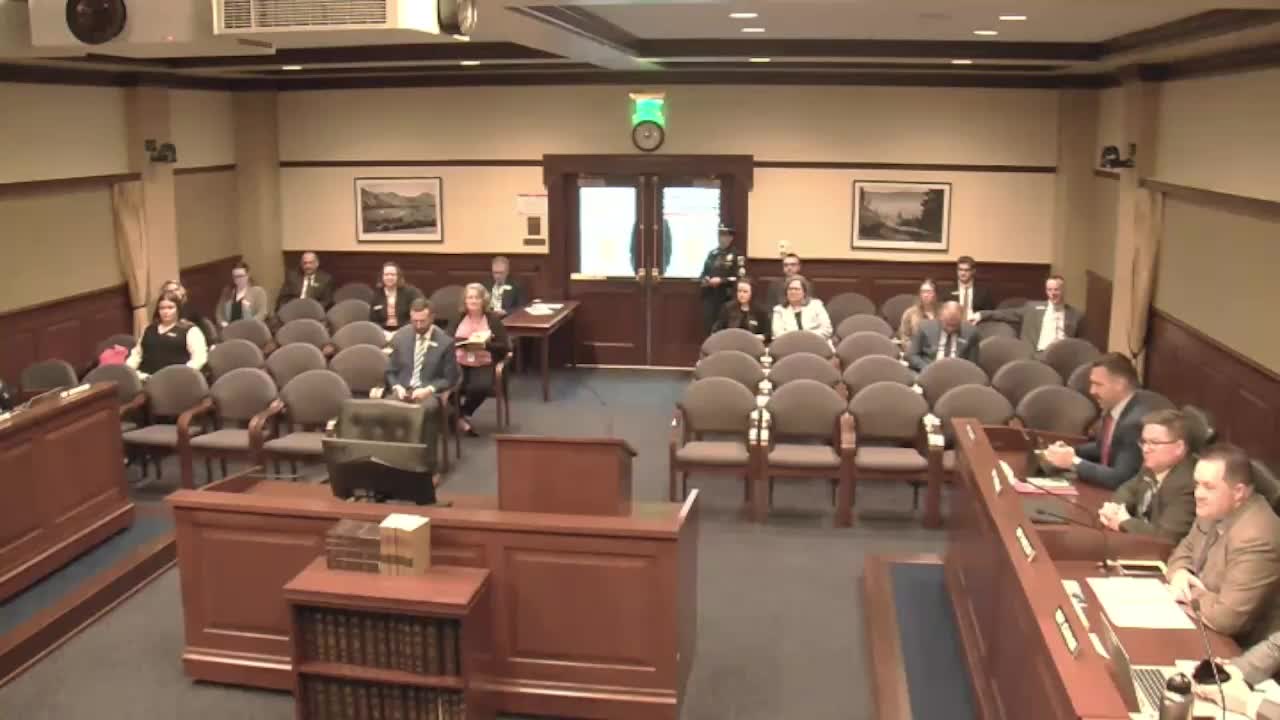
Idaho House Health and Welfare Committee orients new members, outlines rule-review process
Summary
At an organizational meeting, the Idaho House Health and Welfare Committee introduced several new members, explained how it will review administrative rules and routing slips (RSs), confirmed remote testimony is allowed, and set an initial schedule for rule-review sessions.
The Idaho House Health and Welfare Committee used an organizational meeting to introduce nine new members, explain how it will review administrative rules and routing slips (RSs), and set an initial schedule for rule-review sessions, committee leaders said.
Chairman Vanderwaute told members the panel has nine new members and that the committee’s size has increased by two, and he asked each member to introduce themselves by name and pronunciation. “We do have everybody in attendance,” he said, and urged members to read committee materials and the rules packets provided.
The committee’s vice chair, Rep. Marco Erickson, described a condensed approach to rule review this year. Erickson said Health and Welfare expects to complete its rule review in two sessions, with the Division of Occupational and Professional Licensing (DOPL) allotted four days of review. “This year, we are blessed to have Jared Larson, who is our government liaison,” Erickson said, and added that subject-matter experts will be available to answer committee questions during the rule hearings.
The chair emphasized the importance of rule review because rules interpret statutes. “Rules are what somebody else writes to interpret the statutes that we passed,” he said, and encouraged members — particularly new ones — to pay attention during review so the committee can catch inconsistencies between rules and legislative intent.
Committee procedure and RSs: Vanderwaute explained that when an agency brings proposed legislative language it provides an RS (routing slip) and that departments must secure a sponsor from the committee before an RS is introduced. “It doesn’t become public knowledge until it comes before the committee,” he said. He also noted a procedural change in terminology: members should move to “introduce” an RS rather than the older phrasing “motion to print,” and cautioned that amendments to an RS are limited and sometimes better handled by having the sponsor refile a revised RS.
Remote testimony and logistics: Members asked about public comment procedures. The chair confirmed the committee accepts both in-person and remote testimony; those testifying remotely must sign up online and will be scheduled. In response to a question about online testimony, the chair said, “We do remote and in person testimony. They have to sign in online and get on the schedule.” Vice Chair Erickson added that staff track whether remote witnesses are for or against an item and that, when hundreds sign up, the committee may consolidate remarks to keep the agenda on schedule.
Other housekeeping: The committee announced it will not meet on Thursday or Friday of the current week and that it will begin rule review on the following Tuesday. Members were told that rule dockets, RSs and agendas are posted online and folders on the table include an acronym list and a facts packet intended as quick references. Volunteers to proofread minutes were called for and two members volunteered.
What’s next: Committee leaders asked members to read the rules materials before the scheduled rule sessions and said staff will provide rule dockets online. The panel did not take formal votes at the meeting; the session focused on organization, process and scheduling.