Get Full Government Meeting Transcripts, Videos, & Alerts Forever!
Get email alerts on the Public Safety 911 Funding topic
No spam. Unsubscribe anytime.
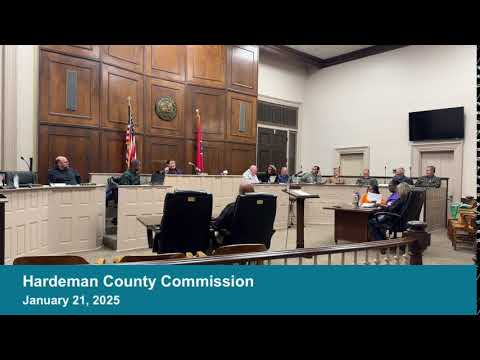
Commission approves county to cover 67% of 9-1-1 payroll; municipalities off the hook
Summary
The Harkland County Commission voted to set the countyshare of 9-1-1 payroll at 67% and direct 9-1-1 to cover 33% while municipalities would not be billed under the proposed split; the measure passed after discussion and will be reviewed annually.
The Harkland County Commission voted to set the countyshare of the emergency dispatch payroll at 67% and for the 9-1-1 authority to pay the remaining 33%, effectively removing municipalities from that annual payroll billing, commissioners said at the meeting.
Commissioners said the split would take effect for budgeting and contract planning for the fiscal year beginning July 1 and that the arrangement will be reviewed each year. Commissioner Wright brought the proposal to the commission after meetings with the 9-1-1 director and the commissionbudget committee.
Why it matters: The change shifts a larger share of recurring 9-1-1 personnel costs to the county general fund and relieves municipalities of direct billing for the payroll portion of 9-1-1. Commissioners said the arrangement could increase the countytax rate by roughly one penny (approximately $43,000 based on the prior yearnumbers cited at the meeting), and that the provision would be revisited annually to account for pay raises, bonuses, insurance cost changes and other volatility.
Discussion and context: Commissioners and the 9-1-1 board discussed fairness and municipal budget impacts. Some municipal leaders have previously objected to paying payroll costs because they have limited influence over 9-1-1 personnel decisions. Commissioners noted 9-1-1 had contributed a capital expense to the countyin the last year—$231,471.16 for a tower on the south end of the county—which supporters said demonstrated 9-1-1 was also putting skin in the game.
Sheriff Billing, identified at the meeting as the 9-1-1 board chair, and Carrie Markham, the 9-1-1 director, addressed the commission and said they supported the county taking a greater share while 9-1-1 paid the remainder. Mayor Paul and other commissioners supported the plan as a practical way to stabilize funding while municipalities update their budgets.
Next steps and implementation: Commissioners asked that an official contract or memorandum of understanding be drafted that would reflect the 67/33 split and that once the amounts are finalized the contract be returned to the commission for approval. The commission voted on the percentage split at the meeting; commissioners stated the exact dollar amounts will be included in the contract language later and that the split will be reexamined each year.
The commission recorded the motion and conducted a roll-call vote; the motion passed. The commission and 9-1-1 staff agreed the allocation would be built into the upcoming budget planning cycle so municipalities and the county can account for the change.