Get Full Government Meeting Transcripts, Videos, & Alerts Forever!
Get email alerts on the Appropriations Law topic
No spam. Unsubscribe anytime.
Legal counsel briefs JFAC on 'power of the purse' and limits on appropriation authority
Summary
Legislative legal counsel Elizabeth Bowen reviewed constitutional and statutory bases for the Legislature's appropriation authority, item veto limits, and the legal effect of conditions, limitations and restrictions attached to appropriations.
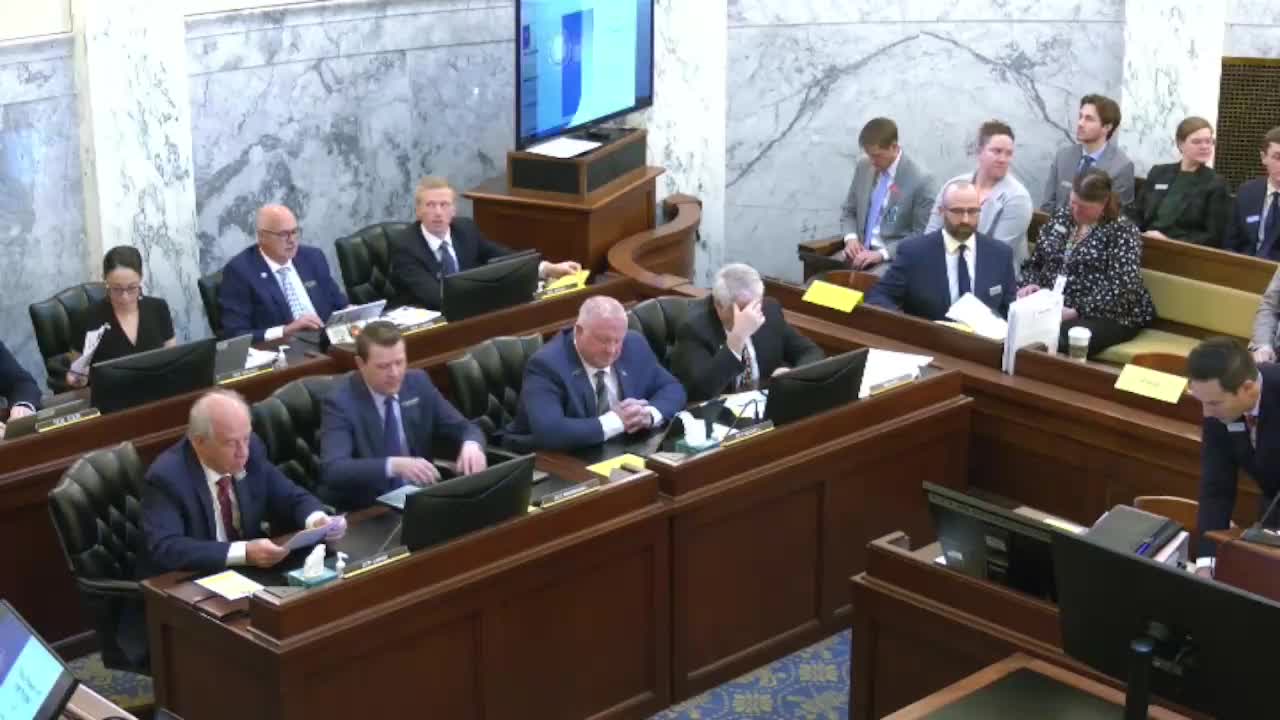
Elizabeth Bowen, legislative legal counsel for the Legislative Services Office, reviewed the legal foundations of the Legislature's appropriation authority and the constraints that apply when the Legislature directs how money may be spent.
"This is basically the legislature's power to control the finances of the state," Bowen said, describing the historical and constitutional roots of the legislature's appropriation authority and the concept commonly called the "power of the purse."
Bowen covered several legal points the committee must keep in mind when drafting and reviewing appropriation measures: the Idaho Constitution requires that money be withdrawn from the state treasury only pursuant to appropriations made by law; appropriation acts are statutes of equal standing to other laws; appropriations must meet constitutional requirements for enacting clause, unity of subject and title, and amendatory acts must set out the statute being amended in full. She also described that the item veto applies to dollar amounts in appropriations but not to conditions attached to an appropriation — where the legislature prescribes how money must be spent — citing a state Supreme Court case (Santa Rosa v. Andress) that stressed that a condition attached to an appropriation is law that must be followed.
Bowen explained the committee's statutory authorities under Title 67 (including provisions that allow JFAC to create subcommittees, hold interim hearings, request agency records and, if necessary, issue subpoenas) and how agencies must present budget requests by fund and account category. She summarized key budget law mechanics: appropriations are by account category (personnel, operating, capital outlay, trustee/benefit) and agencies cannot exceed appropriated authority without statutory exception or board of examiners approval; appropriations are available for the fiscal year unless otherwise stated.
She closed by reminding the committee that appropriation bill language often contains conditions, limitations and restrictions that are legally enforceable and not merely guidance. The committee did not take formal legal action; Bowen's remarks were advisory as staff prepare appropriation bill drafts and related statutory language.