Get Full Government Meeting Transcripts, Videos, & Alerts Forever!
Get email alerts on the Health And Welfare Reorganization topic
No spam. Unsubscribe anytime.
Idaho Health and Welfare presents reorganization and budget overview; seeks alignment of budget to operations
Summary
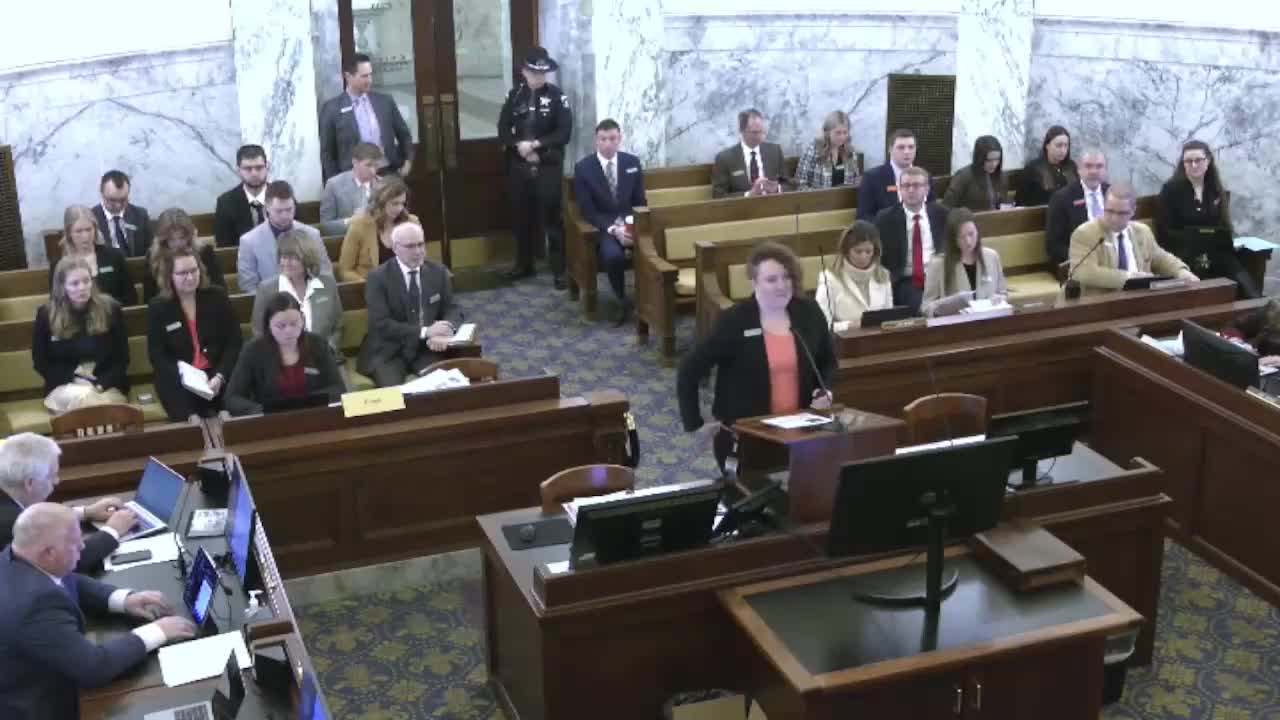
The Idaho Department of Health and Welfare presented a reorganization plan and an overview of its 2026 budget request to the Joint Finance and Appropriations Committee on Jan. 13, saying the changes align how the department is organized internally with how the legislature budgets programs.
The Idaho Department of Health and Welfare presented a reorganization plan and an overview of its 2026 budget request to the Joint Finance and Appropriations Committee on Jan. 13, saying the changes align how the department is organized internally with how the legislature budgets programs.
The reorganization separates child welfare from Medicaid oversight, creates a new chief financial officer and a legislative and regulatory affairs office, and moves several programs — including behavioral health staff and parts of developmental disability services — under Medicaid administration. Alex Adams, director of the Idaho Department of Health and Welfare, described the changes as designed to improve “line of sight” and “lines of accountability.”
The department argued the changes matter because Medicaid and related trustee and benefit payments make up the majority of its budget. “Budgets are laws, not suggestions,” Adams told the committee during the hearing, emphasizing the importance of daily budget oversight. The department said aligning budgeted programs with the internal organization will make it easier for legislators to find the appropriate staff and information when they have questions.
Details presented by Alex Williamson, budget and policy analyst with the Legislative Services Office, said the department will re-title and re-group divisions: family and community services (FACS) will be split out; Medicaid and behavioral health will fall under the Medicaid administrator (promoted to deputy director); support services and licensing will be renamed the Division of Operations; and public health and self-reliance will be grouped as Health and Human Services. Within child- and youth-focused services, child welfare would be renamed Youth Safety and Permanency and developmental disability services would shift into Early Learning and Development.
The department asked that Extended Employment Services (EES) and community developmental disabilities programs move under Medicaid because Medicaid staff currently administer those programs. “That’s who is currently doing the work, where the FTP are doing the work and therefore the budget is now proposed to be aligned with where it's actually being done internally,” Adams said.
Officials also outlined several practical items in the 2026 request: replacement items of $2.8 million (including visitation rooms, office remodels and furniture, and funds to replace 60 vehicles), Office of Information Technology hardware replacement of $1.8 million, a SQL Server upgrade request (about $711,000) and ongoing software assurance of about $140,000. The department also described planned hires for the Medicaid Management Information System (MMIS) upgrade, which Adams said has been estimated as a roughly $180 million modernization and requires additional IT staff; the agency expects those IT positions to be filled soon, with hiring quoted as likely in February.
Several committee members pressed for more detail on specific items. Representative Tanner asked why the 60-vehicle request this year was larger than last year’s request; Adams said the department has a statewide fleet of about 435 vehicles, two-thirds of which are used by child welfare, and the department’s goal is a seven-year replacement cycle. He said many vehicles targeted for replacement have more than 105,000 miles and that vehicle prices have risen; the 60-vehicle request is intended to get back on the seven-year schedule.
Senator Wintrow and others asked about staffing and spending trends. Williamson said Health and Welfare’s expenditures peaked in fiscal 2023 largely because of Medicaid population forecast adjustments, hospital assessment changes and federal public-health-emergency related funding. She noted expenditures dipped in fiscal 2024 as some COVID-era funding and related activity unwound. Adams said roughly 87% of his budget is Medicaid and reiterated the department’s need to manage growth and maintain oversight of entitlements.
The department also described leadership changes: creation of a chief financial officer who reports directly to the director, and a chief over legislative and regulatory affairs intended to be a single point of contact for legislators. Adams said many of the new leaders are “inside outsiders” — experienced state managers brought into the agency to improve operations.
The committee did not take a final vote on the reorganization itself; Williamson said the agency has requested the legislature’s support to reflect the internal structure in the budget and that the program maintenance decisions would be considered later in the session. Adams and staff will return for division-level hearings throughout January, February and March to review specific appropriations and hiring requests.
Looking ahead, committee members asked the department to provide additional detail on the vehicle fleet (age, mileage and utilization), status of MMIS hires and historic data on hiring versus contract labor for licensing and certification work. Adams said the department would provide further details in follow-up and in upcoming division hearings.