Get Full Government Meeting Transcripts, Videos, & Alerts Forever!
Get email alerts on the Invasive Species topic
No spam. Unsubscribe anytime.
Idaho Department of Agriculture seeks funds to sustain quagga mussel response, improve investigator pay
Summary
Department officials told the Joint Finance-Appropriations Committee the department doubled sampling and inspections for quagga mussels in 2024 and is seeking ongoing and one-time funds to sustain those operations, replace vehicles and create a pay structure to retain agricultural investigators.
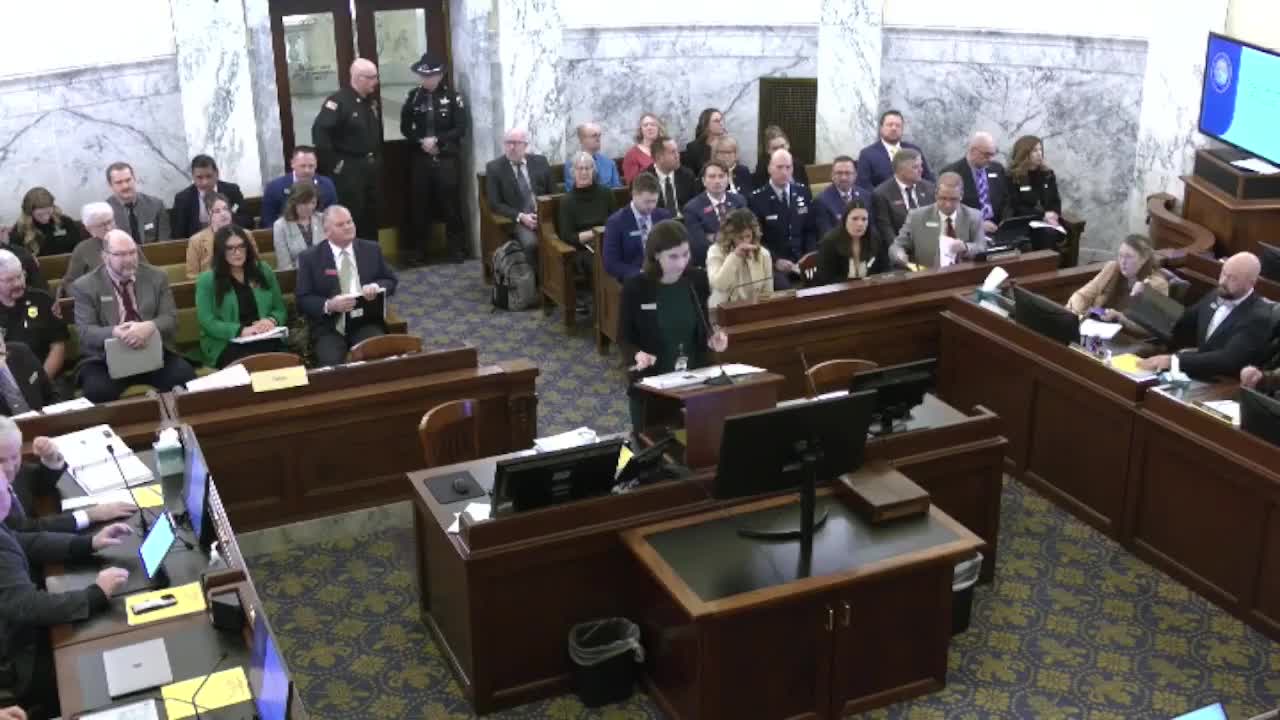
BOISE — At a Joint Finance-Appropriations Committee hearing (date not specified), the Idaho State Department of Agriculture reviewed its fiscal 2026 budget request and highlighted continuing costs tied to quagga mussel prevention and control, staff retention and equipment replacement.
The department asked the committee to fund ongoing positions and pay adjustments and requested one-time dollars for vehicle and IT replacement. Department officials told lawmakers the state significantly expanded watercraft inspections and sampling in 2024 and that those higher service levels drove higher costs in dedicated funds that normally back those operations.
The department’s budget analyst, Frances Lippett, said the department’s statutory responsibilities are spread across many Idaho Code titles and described the department’s eight budgeted programs and fund structure. Lippett noted a $5 million general fund infusion approved in the last session to support quagga mussel response and explained that the department also received an ongoing $1.5 million general fund appropriation “primarily for staffing and building additional watercraft inspection stations.”
Director Chanel Tewalt told the committee the agency followed through on promises to expand sampling and inspections. “By every measure, that work has increased,” Director Tewalt said, referring to doubled statewide sampling and more watercraft inspections after the Snake River treatment in 2024.
Why it matters: Idaho’s invasive species program relies heavily on a dedicated invasive species fund supported mainly by a watercraft sticker fee. Large, episodic responses — including the quagga mussel detection and treatment on the Snake River — have prompted the Legislature to transfer general fund dollars into the dedicated fund to cover staffing, station operations and treatment. The committee heard that these transfers increase appropriated dollars in the fund while the underlying fee revenue remains separate.
Key details and requests
- Ongoing and one-time requests: The department requested $518,300 in ongoing enhancements for 2026, including $340,400 to create a pay structure for the department’s 53 agricultural investigator senior positions to improve retention and professional development. The department also requested $1,110,000 one-time (about $891,000 for replacement items, primarily vehicles, and $214,700 for IT hardware replacement), per the presentation.
- Vehicles: The committee asked for details on vehicle replacements. Frances Lippett said the department would provide an itemized list; the department estimated about 17 vehicles, “most of which are pickup trucks and a couple of SUVs,” would be replaced.
- Funds and recent actions: Lippett said the Legislature approved a $5,000,000 general fund cash transfer to the invasive species fund during the last session; the transfer required corresponding appropriations entries so the transfer and the receiving fund both show appropriation authority. Lippett reported a fiscal‑year 2025 deficiency‑warrant request of $1,724,300 for exotic species response noted in the agency materials.
- Investigator staffing: The analyst said the department has added investigators but that many are early in their careers. Lippett described the pay‑structure enhancement as intended to “create a career ladder to encourage retention and professional development.” Director Tewalt said roughly half the investigator ranks have been with the agency less than two years and noted the workload investigators handle, from animal welfare complaints to pesticide drift concerns.
Discussion vs. decisions
Committee members questioned the mix of general fund and fee revenue used for invasive species response and the timing of equipment replacement. No formal vote or appropriation was recorded in the transcript; the requests were presented for committee consideration and the analyst noted the governor’s recommendation aligned with the department’s enhancement requests.
What remains unclear or not specified
- The transcript did not record final committee action on any specific appropriation. - Exact vehicle replacement line‑item detail and timing were requested from the department and not provided in the hearing record.
Ending
Department staff said they would supply the vehicle list and follow up on several budget questions. Lawmakers signaled interest in the retention proposal and the department’s expanded invasive‑species activity but no appropriation votes were recorded in the transcript.