Get Full Government Meeting Transcripts, Videos, & Alerts Forever!
Get email alerts on the Budget Process topic
No spam. Unsubscribe anytime.
Budget analysts walk JFAC through decision‑unit model and how program maintenance is constructed
Summary
Legislative staff explained Idaho’s decision‑unit budget model: starting from the previous session’s original appropriations, applying reappropriations and executive carryforward, then making program maintenance and enhancement decisions to create next year’s base.
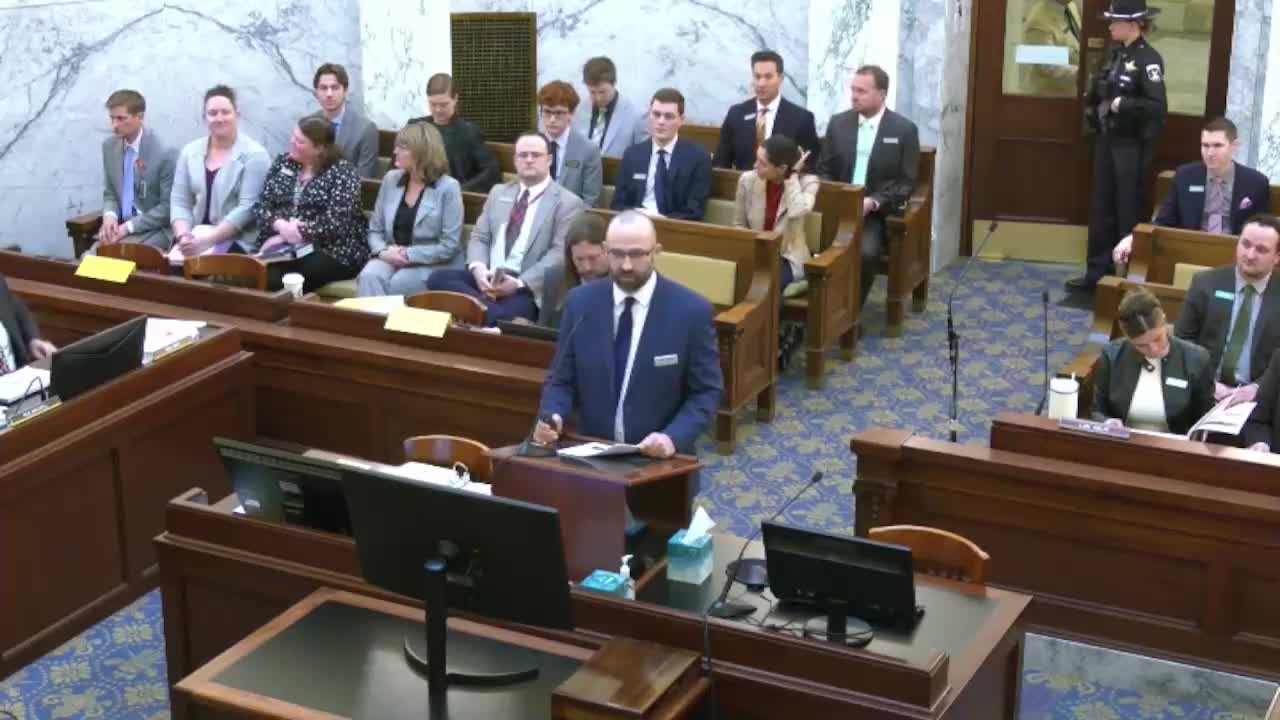
Jared Tetrault, deputy director and manager of budget and policy at the Legislative Services Office, briefed the Joint Finance‑Appropriations Committee on the state’s decision‑unit budget model and the sequence of benchmarks JFAC will use to establish FY2026 appropriations.
Tetrault told members the process is built in six benchmarks: (1) the fiscal year 2025 original appropriation set by last year’s legislature; (2) addenda such as reappropriations and executive carryforward that produce total appropriation authority for the current year; (3) expenditure adjustments authorized administratively by the executive branch (within statutory limits); (4) base adjustments to remove one‑time items and set the fiscal year 2026 base; (5) program maintenance adjustments (benefit changes, contract inflation, statewide cost allocation, employee compensation); and (6) enhancements and other requests that produce the fiscal year 2026 original appropriation.
He said program maintenance frequently includes changes for benefit costs, contract inflation, statewide cost allocation, and changes in employee compensation; enhancements contain initiatives and requests beyond maintenance. Tetrault described the common statewide reports committee members will use: division summaries, fund analysis pages, comparative request/recommendation tables, and decision‑unit detail pages available in the front of the Legislative Budget Book and on JFAC’s SharePoint.
Tetrault urged members to use the standard “boxes” (benchmarks and decision‑unit categories) to keep deliberations consistent and auditable across agencies. He also reminded members that the committee controls how many appropriation bills to present to the legislature (one omnibus bill or multiple bills) and that self‑governing agencies and subagency items are typically grouped in maintenance bills unless JFAC decides otherwise.
Why it matters: the decision‑unit model is the operational framework JFAC will use to process agency presentations and to construct program maintenance and enhancement bills in the coming weeks. Tetrault said staff will post examples of the pages to SharePoint and provide additional guidance to new members.