Get Full Government Meeting Transcripts, Videos, & Alerts Forever!
Get email alerts on the Appropriation Law topic
No spam. Unsubscribe anytime.
Legislative counsel briefs JFAC on constitutional and statutory limits of appropriation power
Summary
Legislative legal counsel Elizabeth Bowen walked the committee through the constitutional origins of legislative appropriations, Idaho constitutional limits (balanced budget, item veto rules, single‑subject/title rules) and the statutory authorities that define JFAC’s duties and budget processes.
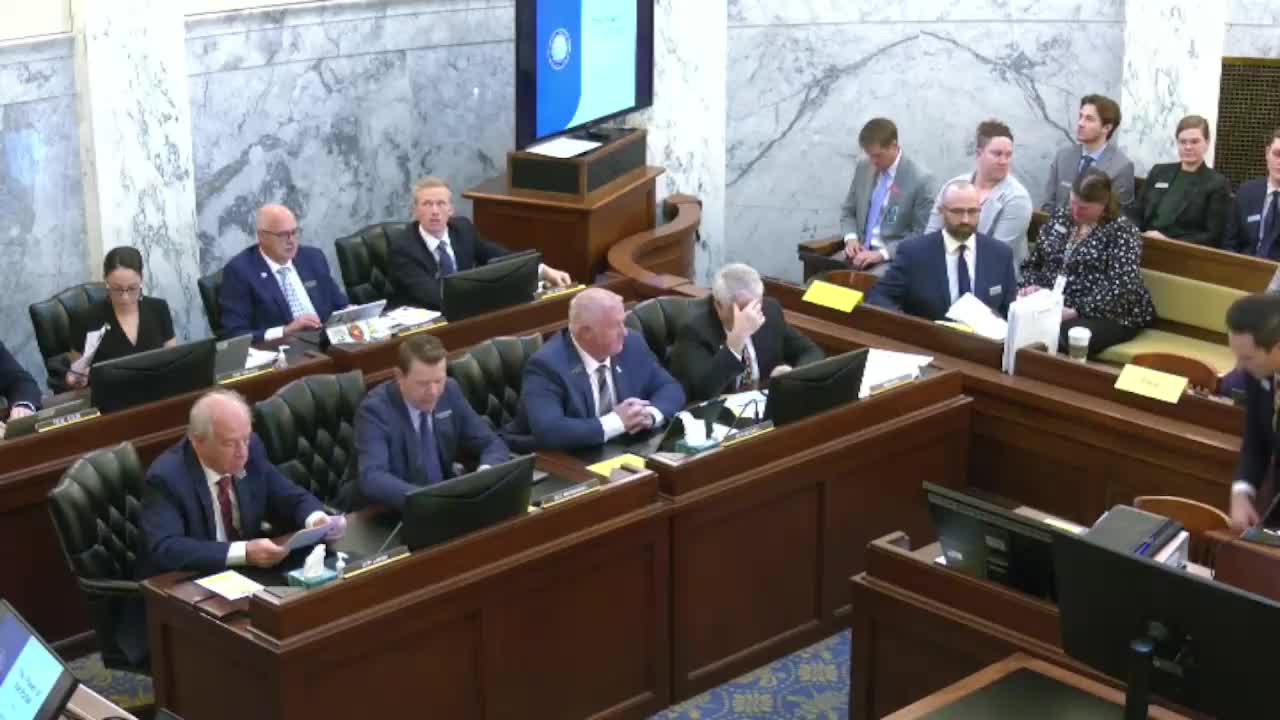
Elizabeth Bowen, legislative legal counsel with the Legislative Services Office, told the Joint Finance‑Appropriations Committee that the legislature’s appropriation authority is a central constitutional power and outlined key legal limits and procedures the committee must follow.
Bowen said the “power of the purse” is rooted in republican government traditions and noted the Idaho Constitution assigns legislative power to the Senate and House of Representatives. She told members that article 7, section 13 of the Idaho Constitution requires that money be withdrawn from the state treasury only by law and that appropriation acts are statutes of equal standing with other laws.
Bowen reviewed several practical legal constraints JFAC should keep in mind: the balanced budget requirement (article 7, section 11), the governor’s limited line‑item veto power (the item veto may be used on dollar amounts within appropriations but not on conditions attached to an appropriation), and the constitutional single‑subject and title requirements for bills. She also explained that an appropriation with conditions is legally binding: if the legislature attaches a condition directing how funds may be spent, agencies must follow that direction.
The legal briefing covered statutes governing JFAC’s powers and duties (Bowen cited provisions in title 67, chapters that establish JFAC’s authority to review budgets, request reports, hold hearings, and introduce appropriation bills). She described statutes that require agencies to file reports of receipts and expenditures and gave the committee its powers (including, if necessary, subpoena authority) to inspect agency records in the performance of its duties.
Bowen closed by reminding members that appropriations are generally fixed for a fiscal year and are allocated by account category (personnel, operating, capital outlay, trustee and benefit payments) and that transfers between account categories are constrained; transfers larger than statutory thresholds require legislative approval.
Why it matters: Bowen’s primer reminded committee members of the legal boundaries on appropriation drafting, vetoes and transfers, and underscored that JFAC’s statutory role includes drafting appropriation legislation and oversight of agency fiscal reporting. Committee members asked administrative questions about how conditions and item vetoes have been treated in prior case law.