Get Full Government Meeting Transcripts, Videos, & Alerts Forever!
Get email alerts on the Audits Legislative topic
No spam. Unsubscribe anytime.
Legislative auditors report backlog of uncorrected findings, single-audit delays tied to late financial statements
Summary
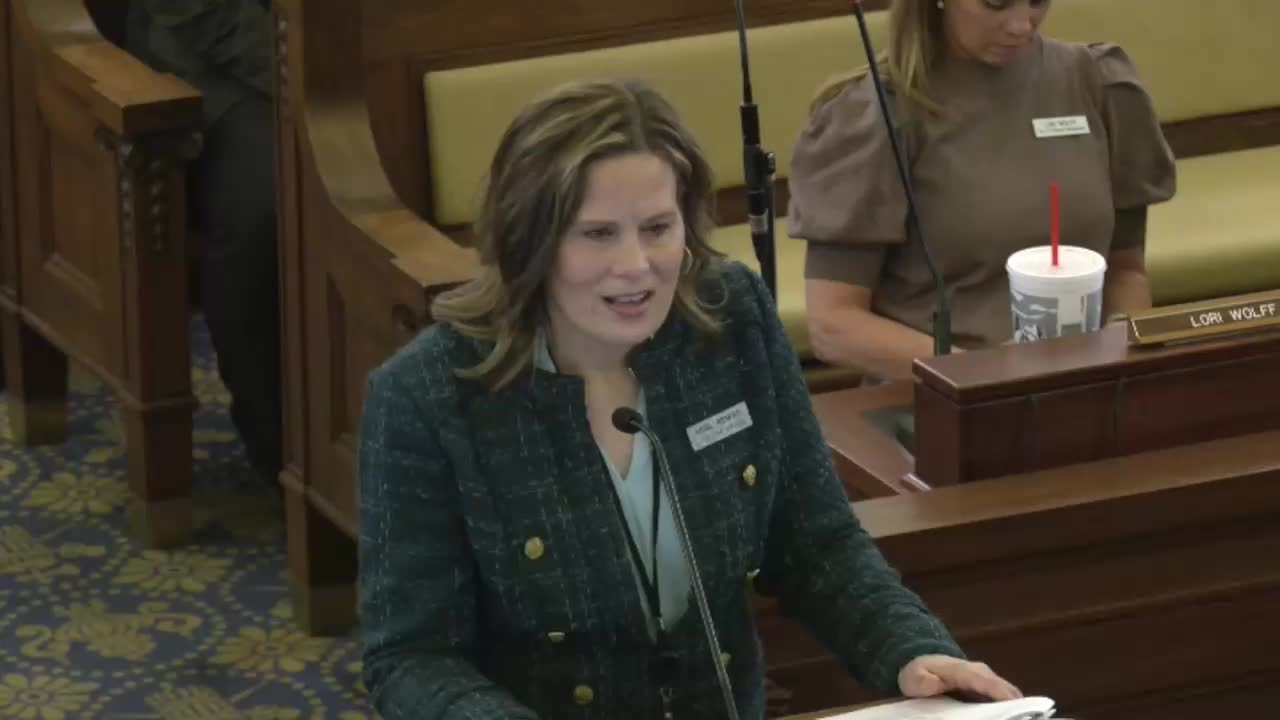
April Renfro, legislative auditor with the Legislative Services Office, told the Joint Finance and Appropriations Committee on Jan. 7 that the office is tracking uncorrected audit findings across state agencies and that timing problems with agencies' financial statements are delaying statewide opinion audits.
April Renfro, legislative auditor with the Legislative Services Office, told the Joint Finance and Appropriations Committee on Jan. 7 that the office is tracking uncorrected audit findings across state agencies and that timing problems with agencies' financial statements are delaying statewide opinion audits.
The audit office "currently has 30 financial and IT auditor positions" and prepares ACFR and single-audit reports, Renfro said. She told the committee JFAC co-chairs release audit reports under Idaho Code as delegated authority and that the office issues an annual "uncorrected findings" report listing open findings, their origin reports and how long they have remained unresolved.
That uncorrected-findings report shows 70% of open findings come from the current reporting period and therefore have not completed follow-up testing, Renfro said. The remaining 30% represent findings agencies have been unable to correct in a reasonable time. She added that the office typically issues about 28 reports each year, including accountability reports (required at least once every three years for state agencies), the ACFR opinion, and the single-audit package covering federal awards.
Why it matters: uncorrected audit findings can affect legislative appropriations and oversight. Co-chair legislators told members to review open findings for agencies in their budget work groups and to raise persistent issues during appropriation deliberations.
Key findings and examples - Travel controls: Renfro cited an older uncorrected accountability finding at the Department of Fish and Game about noncompliance with state travel policy, including missing travel vouchers and receipts. The finding moved from "partially corrected" back to "uncorrected" after a systems transition limited auditors' ability to test transactions, she said. - Foster care documentation: In the Department of Health and Welfare's FY2023 accountability report auditors found deficiencies in qualified residential treatment program (QRTP) placements. In testing of 19 placements, auditors found missing assessments or incomplete documentation in several cases, 84% lacked a retained notice of placement with the court, and 42% lacked the required case consultations at 30-day intervals. Renfro described those as qualitatively significant because they concern children in the state's care. - Systemic IT and benefits matrix controls: The single-audit included internal-control concerns such as undocumented review and approval of annual updates to the Low Income Home Energy Assistance Program (LIHEAP) benefits matrix, which increases risk that incorrect changes would go undetected even where no error was yet observed.
Causes and follow-up process Renfro attributed delayed corrections to several causes: some reports are only testable annually or semiannually; some corrective actions require legislation or coordination with recipients; some require training or policy redesign; and some are tied to system transitions such as Idaho's move to the LUMA system, which complicated auditors' ability to sample and verify transactions.
For opinion audits (ACFR and single audit) agencies must provide prior-audit follow-up and supporting schedules; auditors perform independent testing and may reissue findings if they disagree with agency representations. For accountability reports the office performs three follow-ups (about 90 days, then first and second annual follow-ups) and reports whether findings are "corrected," "partially corrected," or "uncorrected." Renfro said most disagreements with agencies are rare and often resolved; in isolated cases where an agency disagrees on federal compliance auditors and the federal grantor can determine which interpretation is correct.
Timing and current status Renfro told the committee that the state controller's office provided the first draft of the statewide financial statements on Dec. 30, delaying the ACFR audit work. Auditors expect to deliver an audit opinion around March 13'14 and said it is unlikely the state will meet the typical March 31 single-audit deadline. Renfro said she is planning outreach to the cognizant federal agency (HHS) to explain the delay.
Committee reaction and next steps Co-chairs urged legislators in work groups to review open findings relevant to agencies they oversee and to hold agencies accountable in budget deliberations. Co-Chair comments noted auditors had to "do back handsprings" to try to complete work with late statements and said some uncorrected recurring issues in the past required legislative fixes.
Ending: Renfro said the office is issuing the uncorrected-findings report to the committee the same day and that most of the older dispute items have been corrected; a small number remain open. She stood for questions after the briefing.