Get Full Government Meeting Transcripts, Videos, & Alerts Forever!
Get email alerts on the Budget Process topic
No spam. Unsubscribe anytime.
JFAC staff outlines program‑maintenance structure, schedule and what is included in maintenance bills
Summary
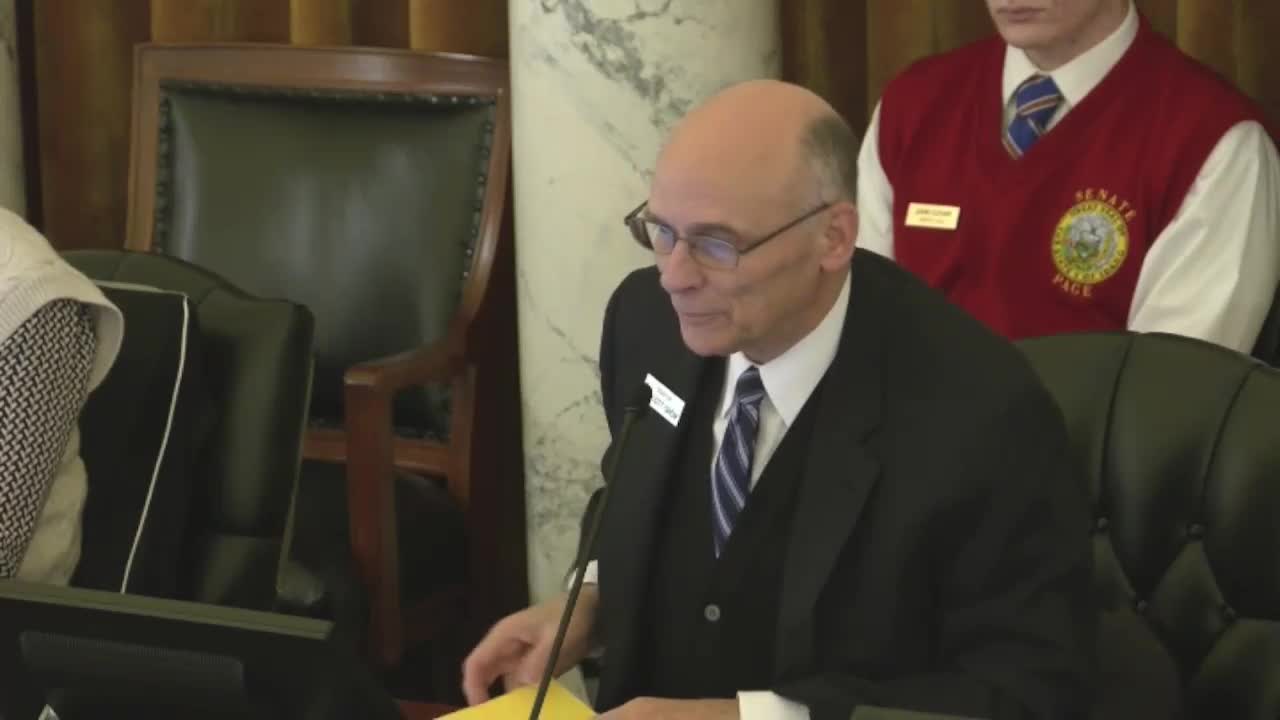
Keith Bybee, Division Manager of Budget Policy Analysis, outlined why program maintenance is packaged into 10 appropriation bills, what the maintenance bills include, and how enhancement bills will separately handle replacement items and population forecast adjustments.
Keith Bybee, Division Manager of Budget Policy Analysis, briefed the Joint Finance‑Appropriations Committee on how the staff plans to organize program‑maintenance appropriations and the committee schedule for taking those items up.
Bybee explained staff organized program maintenance into 10 functional appropriation bills (examples include general government, public safety, natural resources, health and human services, public school support and higher education). He said program maintenance will begin with the agency base budget and include items between benchmark 4 and benchmark 5 in the legislative budget book: employee benefit cost adjustments (including the CEC changes), contract inflation for ongoing contracts (leases, software), statewide cost allocation (SWICAP) adjustments and the CEC items the committee just accepted. Bybee said this year the Division intends to include the full CEC in program maintenance rather than break it out separately.
Bybee told members that items traditionally labeled "non‑discretionary" (now described as "population forecast adjustments") will be handled in enhancement bills rather than in program maintenance so JFAC has more opportunity to review growth‑related changes (for example, Medicaid caseload or K‑12 support unit forecasts). He said enhancement bills will also include replacement items, annualizations and fund shifts, and that IT replacement items have been separated from regular replacement items to make IT requests more transparent.
Bybee described the schedule: members will receive a walkthrough of the items before decision days; staff plans an initial hearing on the program‑maintenance adjustments and associated language followed by decision making (the presentation referenced a decision day on the "Friday 17th" on the committee calendar). He emphasized that setting a program maintenance package does not prevent the committee from later adding or subtracting items when it considers full appropriations.
The briefing included illustrative agency comparisons showing how benefit cost adjustments and other maintenance items affect the program‑maintenance totals; Bybee said the materials will be in the legislative budget book and that staff will provide updated comparative tables and a "general fund daily update" to track legislative actions against the governor’s budget while JFAC works through maintenance and enhancements.
Why it matters: the structure and timing staff presented define how JFAC will consider the bulk of recurring spending decisions this session, which in turn shapes what photo‑opportunity changes (enhancements) are possible and how quickly members can review requests for replacements and population‑driven growth.