Get Full Government Meeting Transcripts, Videos, & Alerts Forever!
Get email alerts on the Workforce Pay Cec topic
No spam. Unsubscribe anytime.
ITD Requests Targeted Pay Increases for Maintenance Staff; Committee Probes Retention and Market Competition
Summary
The Idaho Transportation Department requested targeted compensation adjustments for maintenance staff and added 53 frontline positions last year. Legislators questioned recruitment, retention, and whether raises would keep workers from moving to counties, cities or private employers.
The Joint Finance-Appropriations Committee examined the Idaho Transportation Department’s workforce requests on Wednesday, including a consolidation that added 53 frontline district positions last year and a new targeted career‑step pay request to lift maintenance pay across four horizontal career-path steps.
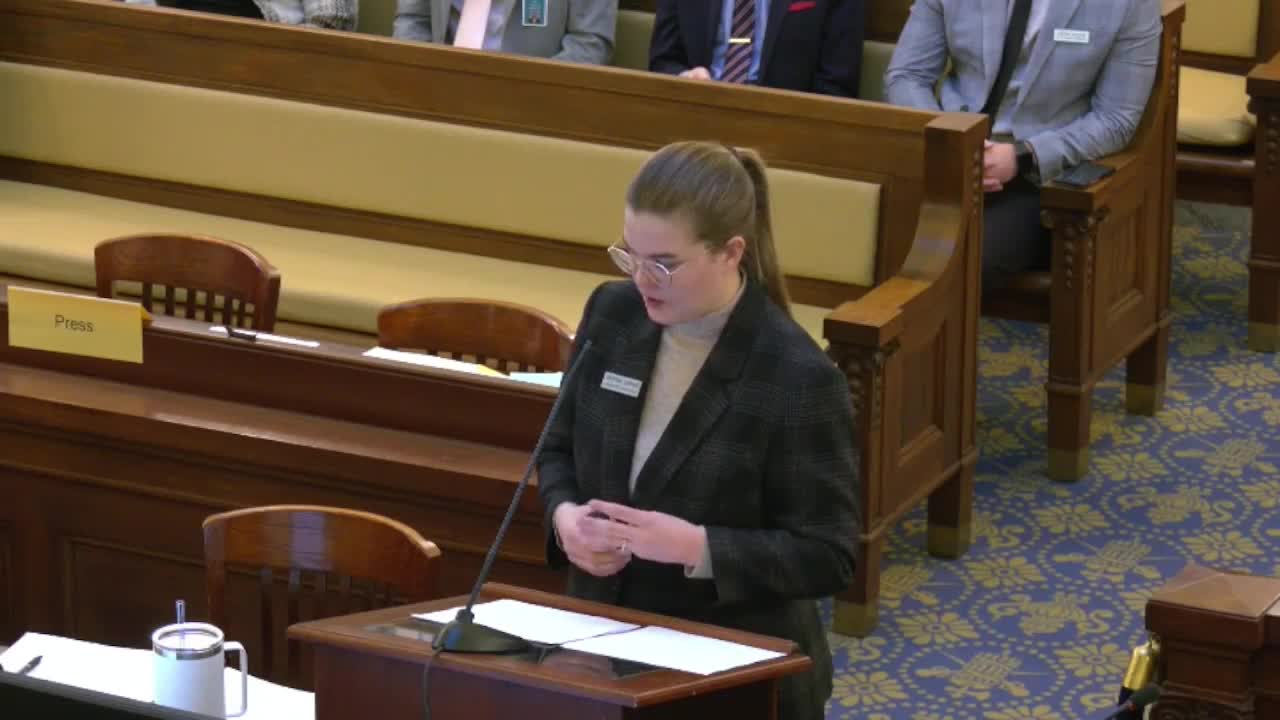
Brooke Dupree, a budget and policy analyst with the Legislative Services Office, told the committee the legislature approved 53 positions in the previous budget cycle, largely transportation technicians and engineering assistants, and that the department is “near 50 positions recruited.”
Scott Stokes, director of the Idaho Transportation Department, described high turnover in entry-level maintenance positions and said the department’s request would increase the entire pay chart for those horizontal career paths by $2.50 per hour to reduce churn. He said the department has been losing roughly “78 per year out of about 400” maintenance employees and that entry‑level hires often require months of training, including obtaining a commercial driver’s license (CDL) and equipment qualifications.
Lawmakers pressed whether higher state pay would simply shift employees into better-paying city, county or private-sector jobs. Representative Julie VanOrden (questioner recorded as Representative Mitchell in the transcript) observed that private employers adjust wages quickly and asked whether higher state wages would successfully retain trained employees. Stokes said cities and counties typically pay $20 to $25 an hour at entry rates in much of Idaho and that the department’s horizontal career-path changes previously improved retention when they were first introduced. He said stabilizing the entry‑level workforce is the department’s principal aim because turnover requires repeated investment in training and reduces institutional knowledge.
Representative Tanner asked for a detailed list of software, licenses and ongoing costs supporting DMV and other IT projects; Rep. Tanner also asked for follow-up on exactly how ongoing IT equipment requests intersect with previously funded equipment and ongoing obligations.
Why it matters: Maintenance staffing affects snow removal, safety response and road upkeep across Idaho. The committee asked the department to demonstrate that proposed pay changes would produce durable retention rather than prompt market-driven re‑shuffling of workers.
Committee members requested follow-up analyses on comparative wage surveys, the interaction of this targeted pay proposal with any broader CEC plan under consideration and further reporting on recruitment status for the 53 approved positions.