Get Full Government Meeting Transcripts, Videos, & Alerts Forever!
Get email alerts on the State Audits topic
No spam. Unsubscribe anytime.
Legislative auditors flag long-standing uncorrected findings and warn statewide audits will be late
Summary
April Renfro of the Legislative Services Office told the Joint Finance and Appropriation Committee on Jan. 7 that many audit findings remain open, that most uncorrected findings come from the current reporting period, and that delays in receiving statewide financial statements will push the annual audits past statutory deadlines.
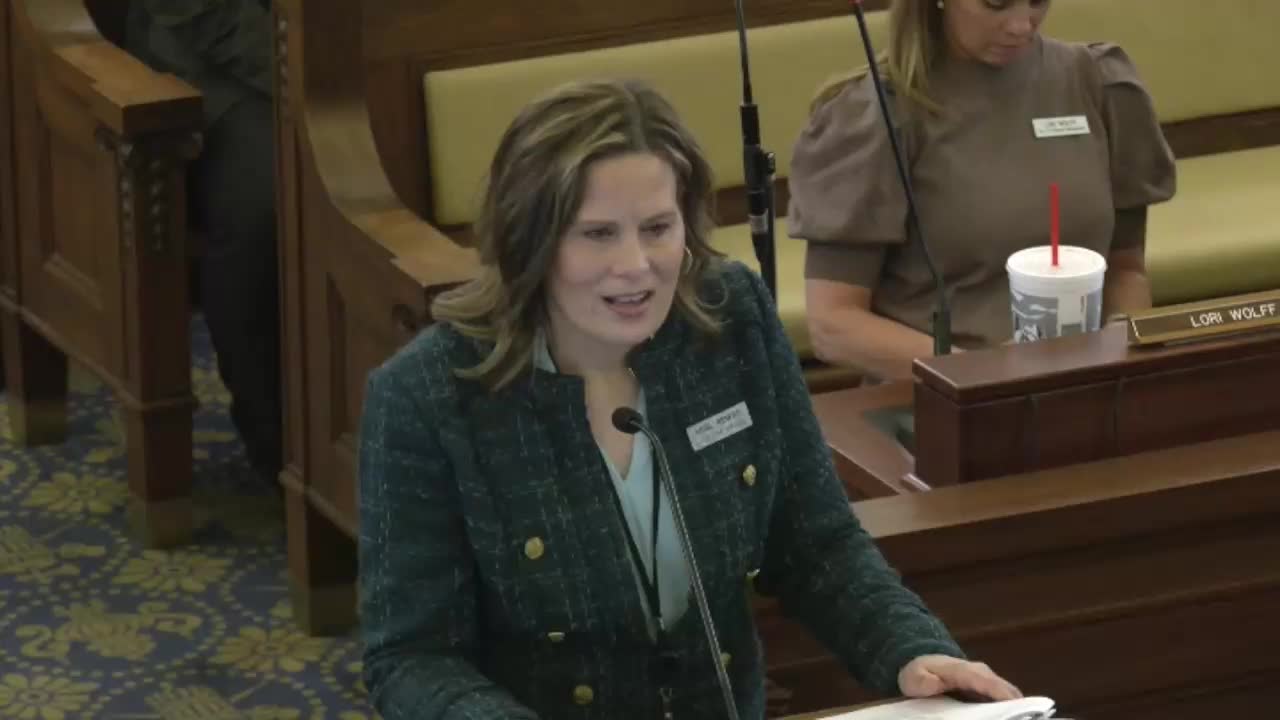
April Renfro, the audit director in the Legislative Services Office's legislative audits division, told the Joint Finance and Appropriation Committee on Jan. 7 that legislative audits are highlighting uncorrected findings across state agencies and that the office will likely miss statutory deadlines this year because of delayed financial statements.
Renfro said legislative statute (cited in the hearing as 67-7702) authorizes the office's scope, that the JFAC co-chairs release audit reports under Idaho code cited in the hearing as "67, 4 35," and that the auditors are responsible for the annual audit of the statewide annual comprehensive financial report (ACFR) and for the single-audit schedule of federal expenditures (SEFA).
The uncorrected-findings report the audits office issued this year covers four years of open findings; Renfro said roughly 70% of uncorrected findings are from the current reporting period and therefore have not yet had follow‑up testing, while about 30% represent longer-standing problems. She described typical finding types—internal‑control weaknesses, noncompliance with statutes or federal requirements, and substantive errors—and said some problems require only policy or training fixes while others have led to criminal investigations in rare cases.
Renfro gave multiple examples of significant or potentially harmful findings. She described a recurring accountability finding at the Department of Fish and Game involving noncompliance with state travel policy and missing documentation; the matter began with a 2020 accountability report and later moved between "partially corrected" and "uncorrected" statuses as the agency adjusted policies during a systems transition. She also summarized two findings in the Department of Health and Welfare's 2023 accountability report related to foster‑care placements in qualified residential treatment programs (QRTPs). In a sample of 19 QRTP placements, auditors reported: 10% lacked a completed assessment, 5% omitted required placement details, 21% had no court order located, 5% missed a 60‑day placement timing requirement, 84% did not retain a court notice specifying placement and level of care, and 42% lacked required 30‑day case consultations. Renfro said those items are qualitatively significant because they affect children in state care.
Renfro said federal single‑audit requirements raise the level of internal‑control testing and that several agencies that received pandemic‑era federal money—some that had not previously handled substantial federal grants—produced a notable increase in single‑audit findings for 2023. She warned that the Division's ability to complete follow‑up work depends on timely access to agency records and complete financial statements.
On timing, Renfro said the audits office typically receives the draft financial statements in November and needs about seven weeks to complete the ACFR audit; this year the office did not receive statements until Dec. 30, and staff estimate they will finish the audit in March. Because the ACFR audit and the single audit are linked, she said the single‑audit report will also likely miss its March 31 deadline. Renfro said the office will reach out to the federal cognizant agency (HHS) and other federal grantors as needed.
Committee members pressed Renfro on why some findings remain uncorrected. She said reasons include reporting cycles that provide only a few opportunities to test a fix, the need for corrective legislation or process changes that must flow to subrecipients, or training and documentation gaps. Co‑chairs noted the committee has, in the past, used appropriation actions—including withholding funds—to press agencies to correct repeat problems.
Renfro also reviewed the audits office staffing and planned workload: the division has 30 financial and IT auditor positions (with a few openings) and one administrative assistant, and it plans roughly 28 reports per year including ACFR, single audit, accountability reports and a small number of agreed‑upon procedures. She described the office's three‑step follow‑up for accountability reports—90‑day, first annual, and second annual visits—and explained findings are categorized as corrected, partially corrected or uncorrected based on follow‑up evidence.
The committee's questions focused on the delays' potential impacts, whether late audits hurt credit ratings, and federal grantor reactions. Renfro said she did not find direct evidence that late ACFRs affected credit ratings in other states she reviewed, but she emphasized the higher risk is strained communication with federal grantors, who expect timely single audits.
The co‑chairs and committee members urged work‑group attention to open findings for agencies in members' portfolios and thanked the audits staff for increased transparency and the new uncorrected‑findings summary available to legislators.
Ending
Renfro said the office will issue the uncorrected‑findings report to the committee and that auditors will continue follow‑up work; she asked members to review open items for agencies in their work groups so legislative oversight can help resolve recurring problems.