Get Full Government Meeting Transcripts, Videos, & Alerts Forever!
Get email alerts on the Cash Management And Investments topic
No spam. Unsubscribe anytime.
Treasurer staff describes LGIP, diversified bond fund, idle pool and millennium endowment; committee asks where interest is recorded
Summary
The committee heard a treasurer‑office overview of four investment pools that hold state and local government cash and asked for detailed reports showing interest by fund and where statutory direction sends earned interest.
Legislative staff summarized investment programs managed by the state treasurer and the interest those programs generated, and committee members asked for fund‑level reports on where interest earnings are recorded.
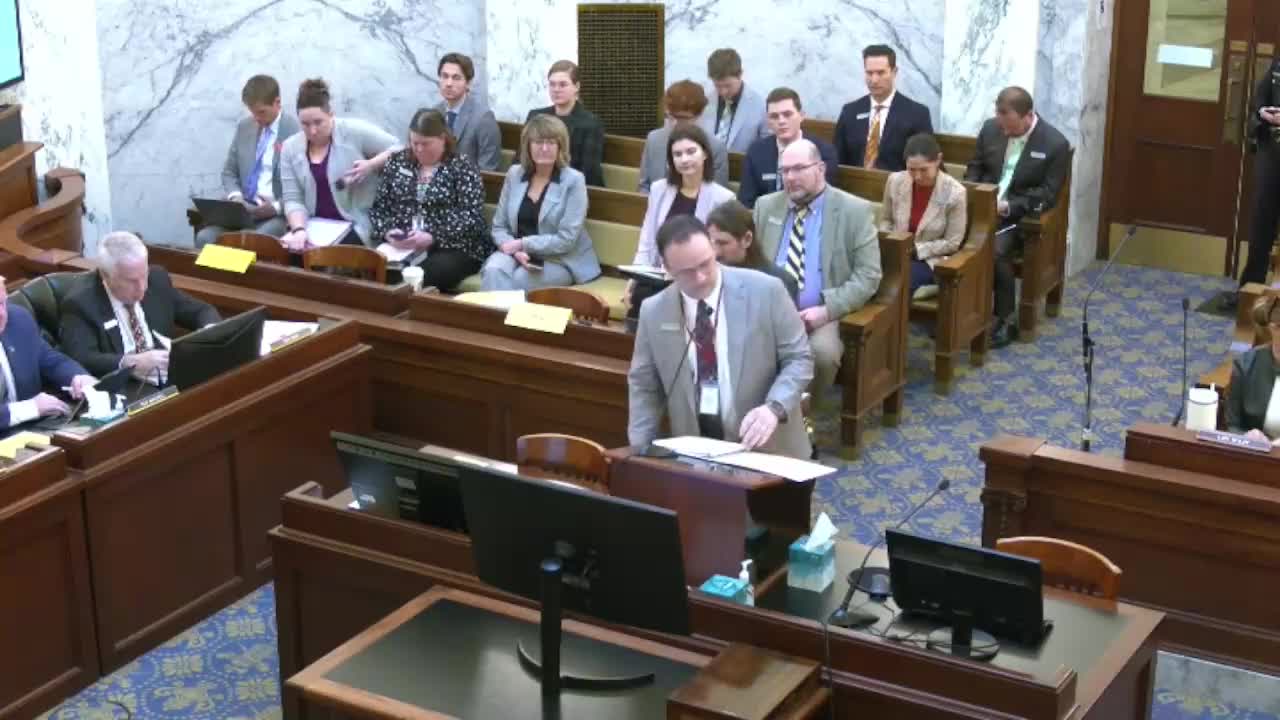
Christopher Lahoset, budget and policy analyst with the Legislative Services Office, gave a four‑part overview of the state treasurer’s investment vehicles: the Local Government Investment Pool (LGIP), the Diversified Bond Fund (DBF), the state idle pool (daily cash management) and the Millennium Permanent Endowment Fund (MPEF, the tobacco‑settlement endowment). He explained the LGIP is designed for local governments that need liquidity and safety (short‑term Treasury and agency securities). The DBF is a longer‑horizon bond fund suitable for larger agency balances and is benchmarked to a corporate/government 1–10 year index with a mortgage component; the idle pool manages daily cash flows and short‑term investments for the state; and the MPEF invests master settlement agreement proceeds to fund tobacco‑prevention programs in perpetuity.
Lahoset reported recent earnings examples: in FY2024 the idle pool earned more than $249 million in interest (presentation summary); he noted that higher market interest rates increased earnings on cash holdings and that the direction of interest flows — whether interest is credited to the general fund or retained in a dedicated fund — is determined by statute for each fund.
Representative Tanner and others pressed for clarity about which interest earnings bypass the general‑fund reconciliation and instead go directly to dedicated funds or agencies. Lahoset said LSO maintains a report that shows interest earnings by fund and agency and agreed to post a fund‑level spreadsheet to the committee’s SharePoint; he also cautioned that coding authority is spread across multiple statutes and that revising the destination of interest earnings likely requires multiple legislative changes.
Ending: Lahoset and LSO staff said they would post the fund‑level interest‑earnings spreadsheet to SharePoint and provide guidance about which statutory provisions direct interest to particular funds if the committee requests legislative changes.