Get Full Government Meeting Transcripts, Videos, & Alerts Forever!
Get email alerts on the Appointments Boards Universities topic
No spam. Unsubscribe anytime.
Senate rejects and strips multiple gubernatorial appointees to university and state boards after contentious floor debate
Summary
A lengthy floor debate on Jan. 24 led the Virginia Senate to remove several of Governor Youngkin’s appointees from a joint-resolution list; senators disputed whether committee practice and courtesy required private explanations and additional time to negotiate nominees.
A contentious floor debate on Jan. 24, 2025, resulted in the Virginia Senate removing multiple gubernatorial appointees from a joint resolution of confirmations and rejecting a motion to “pass by for the day.” Lawmakers trading arguments over custom and transparency ultimately severed and adopted committee amendments that struck several named appointees from the list.
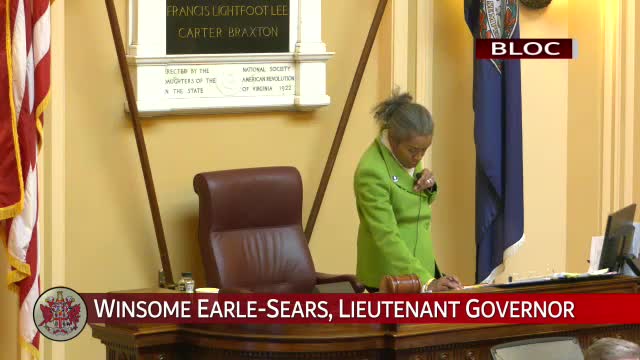
The disputed measure, Senate Joint Resolution 275 (confirming appointments communicated Jan. 8, 2024), drew extended debate on the chamber floor about whether the body should grant additional time for private discussions with the governor’s office. Senator McDougall (the senator from Hanover) asked that the resolution “go by for the day” so members could continue conversations over the weekend; a motion to allow that was opposed and failed on the floor: the presiding officer recorded “No,” and the chair announced, “The no’s have it. The resolution does not go by.”
Supporters of more time said the pause would permit caucus discussions and private follow-ups with the governor to resolve questions about specific nominees. Senator McDougall told colleagues he and allies would agree to waive certain readings on Monday if the resolution were allowed to be deferred. Opponents — including Senator Sarravel (the senator from Eastern Fairfax County) — said the chamber must exercise its independent advice-and-consent role and that private conversations are not always required before acting. The exchange highlighted friction over Senate traditions and the pace of confirmations.
On the substance of nominations, Senate members debated qualifications for several university board nominees and other appointees. The senator from Alexandria (floor sponsor for the privilege and elections committee actions) said the committee found several appointees “inconsistent with the expectations, goals, and values for the work of the board” and declined to list specific allegations on the floor, saying he would not “impugn anyone’s” reputation publicly. Other senators pressed for specifics; Senator McDougall and several colleagues repeatedly asked whether the committee had informed the governor privately of its objections and sought reasons for each removal.
The floor proceeded to sever and consider committee amendments individually. The chamber recorded adoption of multiple amendments striking nominees from the resolution (the clerk announced committee amendment outcomes such as “Committee amendment number 1 is agreed to,” “committee amendment number 2 is agreed to,” and so on for several items). Sponsors and critics alike repeatedly said they preferred not to air detailed accusations on the floor both to avoid harming reputations and because nominees are not present to respond.
Why it matters: Appointments to boards of visitors, regulatory commissions and other bodies affect oversight of state agencies and public institutions. The Senate’s decision to remove or delay specific gubernatorial appointments may change the composition and direction of those boards and could prompt renewed outreach between the governor’s office and Senate members.
What’s next: The Senate advanced the remainder of the confirmation resolution after adopting committee amendments and will continue work on remaining nominations; the governor may submit replacement nominees or seek to resolve objections privately. The episode underscored lingering tensions over floor courtesy, transparency and interbranch communications.