Get Full Government Meeting Transcripts, Videos, & Alerts Forever!
Get email alerts on the Motorcycle Shoulder Use topic
No spam. Unsubscribe anytime.
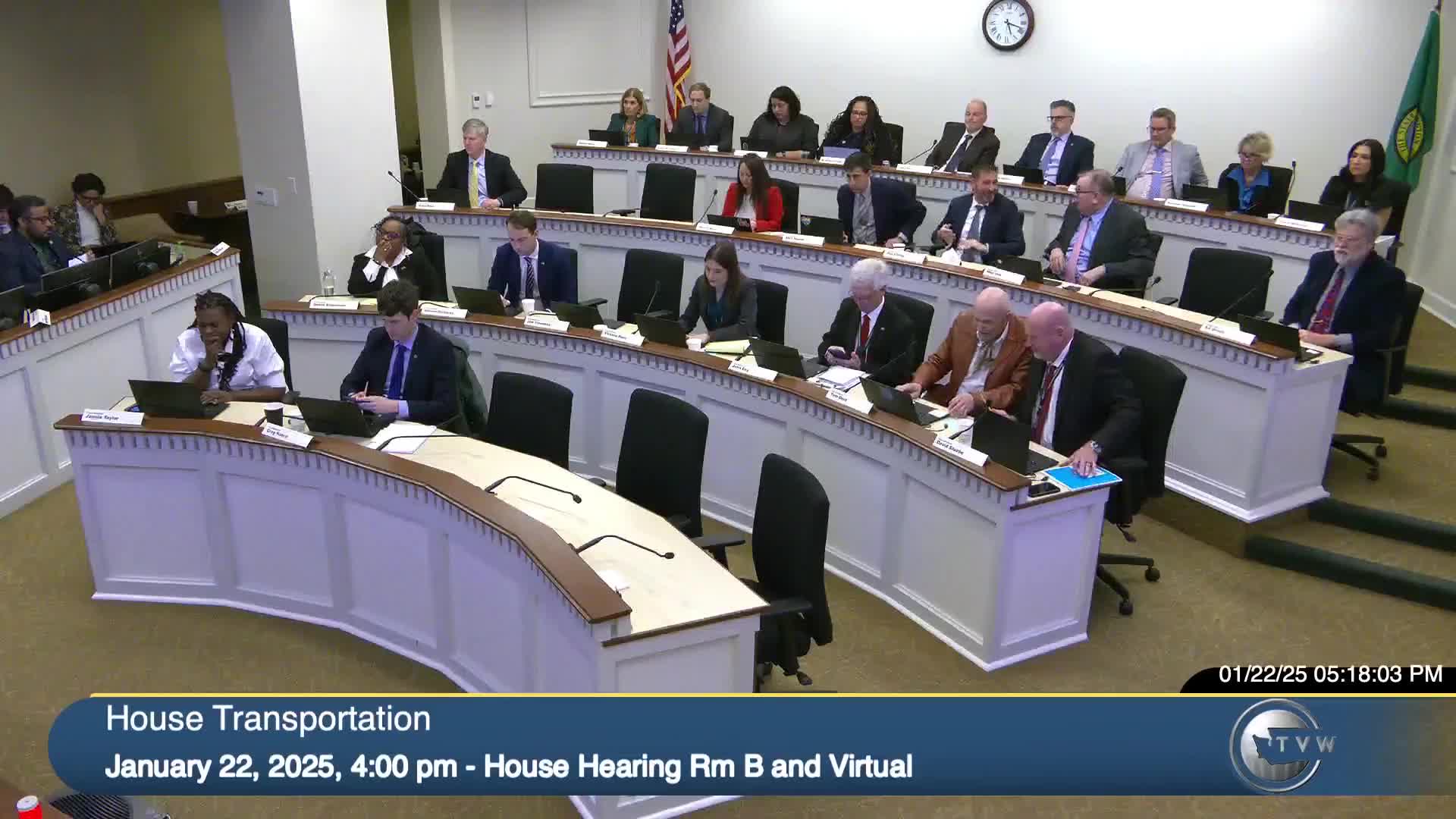
Committee hears bill to allow motorcycles to use highway right shoulder in slow or stopped traffic with limits
Summary
House Bill 1367 would permit motorcycles to use the right shoulder of limited-access roadways when traffic is stopped or the average speed in travel lanes is 25 mph or less, subject to restrictions on speed differential, passing, and reentry when the shoulder is obstructed. Sponsors and motorcycle groups framed the bill as a safety and congestion
House Bill 1367 would permit motorcycles to travel on the right shoulder of limited-access roadways when traffic is stopped or when the travel-lane average speed is 25 miles per hour or less, subject to restrictions: a motorcycle may not exceed the adjacent traffic speed by more than 10 mph, may not travel more than one abreast on the shoulder, must reenter travel lanes if the shoulder is occupied by a parked or emergency vehicle or roadside assistance, and must exit when reaching an interchange that provides an alternate route or services visible from the roadway.
Jennifer Harris, staff to the committee, summarized the bill’s operational limits and flagged that Department of Licensing and Department of Transportation materials would need updating. Staff said the Department of Licensing estimates a one-time cost of roughly $142,000 from the motorcycle safety education account to coordinate outreach, add knowledge-test questions and update materials. WSDOT previously reported that shoulder maintenance and sweeping would likely need to increase if shoulder use becomes common; staff noted a 2023 analysis that estimated maintenance costs in the millions if sweeping frequency doubled or tripled.
Sponsor Representative Ed Orcutt (R-20th) framed the bill as an emergency-alternative measure for motorcyclists who are physically taxed by long stop-and-go traffic—holding a heavy motorcycle in place for hours can produce fatigue and heat stress, he said. Orcutt said he excluded permissive lane splitting and included reentry requirements, speed limits and obstruction rules to mitigate safety risks.
Motorcycle-advocacy witnesses including Chad Magendance (South King County ABATE), Larry Walker (ABATE of Washington), and Alan Alder related personal experiences and safety concerns about being rear-ended; they argued that shoulder use can reduce crash risk from rear-end collisions and give motorcyclists a way to safely cool engines and riders in prolonged congestion. A 17-year-old rider testified that shoulder use is safer than lane splitting for new riders and said his older motorcycle is prone to overheating in prolonged congestion.
Law-enforcement representatives opposed the bill. James McMahon, policy director for the Association of Sheriffs and Police Chiefs, said shoulders are not designed for regular traffic, are often used as escape paths or for disabled vehicles, and may contain debris; he cited data (as presented in testimony) that many motorcycle fatalities involve alcohol, drugs or excessive speed and said shoulder riding is not a recommended countermeasure. WSDOT staff warned about increased shoulder-sweeping and litter-removal costs and said maintenance activities could rise substantially if shoulder use became regular; staff indicated the agency sweeps shoulders about once a year for emergency-vehicle needs and estimated higher frequencies would raise biennial maintenance costs significantly.
Committee members asked about liability, debris, interactions with emergency responders and automated-vehicle detection of motorcycles. Sponsor Orcutt said he could add language clarifying that motorcyclists use the shoulder at their own risk where appropriate and that the bill requires reentry when the shoulder is obstructed. No formal committee action was taken during the hearing.