Get Full Government Meeting Transcripts, Videos, & Alerts Forever!
Get email alerts on the State Budget Overview topic
No spam. Unsubscribe anytime.
Committee briefed on FY2025–26 forecast: governor’s plan shows $338 million FY2025 ending balance, $227 million for FY2026
Summary
Legislative analysts told the Joint Finance‑Appropriations Committee the governor’s FY2026 recommendation keeps a multi‑year structural surplus while proposing transfers and one‑time spending; committee members pressed for detail on bond, fire and school‑funding moves.
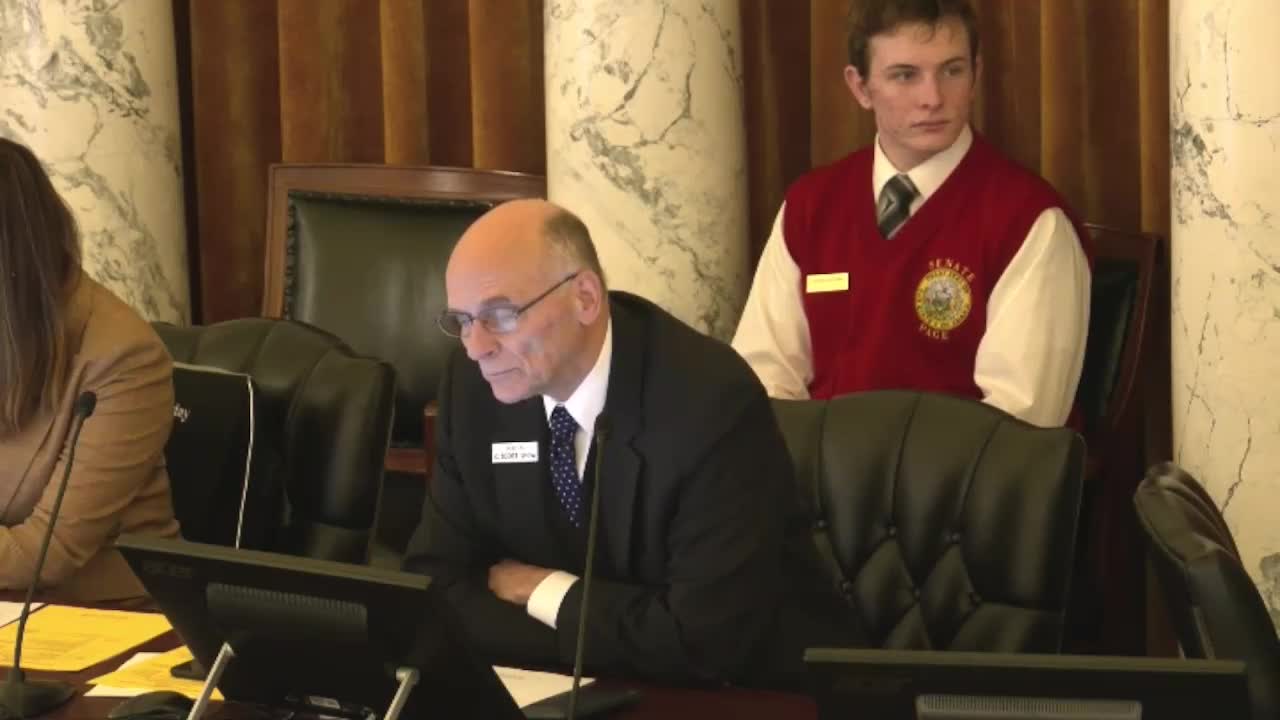
Keith Bybee, division manager for budget policy analysis with the Legislative Services Office, briefed the Joint Finance‑Appropriations Committee on the state’s FY2025 and FY2026 budget outlook and the governor’s recommendations.
Bybee told the committee the governor’s plan projects a $338 million ending cash balance for FY2025 and a $227 million projected ending balance for FY2026 under the governor’s recommendations. He described a multi‑year “structural balance” — about $700 million in the near term — arising from revenue growth since 2020 and current revenue forecasts.
The overview emphasized why the state’s revenue picture grew rapidly during the COVID years: federal relief programs and unusually large personal‑income growth. Bybee said, “If a budget is a statement of your values, your previous legislatures have done you a big favor, by setting you up for success,” and warned the committee that the key choices this session are how much to apply to tax relief versus ongoing spending.
On specific items, Bybee outlined transfers and requests included in the governor’s proposal: transfers out totaling about $578.9 million (including transportation and other authorizations), an anticipated $62.8 million transfer from the closed bond‑levy equalization account, and a proposed transfer of $60 million to a fire‑suppression deficiency warrant. He also noted a proposed $59 million transfer into the budget stabilization fund — which, if enacted, would raise that fund close to its statutory cap and bring the balance near $939 million in the governor’s projections.
Committee members asked for further detail on several items. Representative Furness asked about interest earnings on cash and how those show up in the reconciliation; Bybee deferred the technical cash‑management and interest detail to the treasurer’s and cash staff later in the hearing. Representative Tanner asked about a prior deposit to the governor’s emergency fund and requested a follow‑up on how that money was used.
Bybee walked the committee through the cash reconciliation that appears in the front of the legislative budget book (pages 6–7), explaining line items for reappropriations, executive carry forward and the difference between the governor’s revenue forecast and the request. He described the governor’s FY2026 “program maintenance” baseline at roughly $5.4 billion (a 3.4% increase over FY2025 original appropriations) and enhancement requests of about $242 million. The resulting total general‑fund recommendation for FY2026 is shown in the budget book as about $5.65 billion (a 7.4% year‑over‑year increase in appropriations in the governor’s proposal).
Bybee cautioned the committee that some items are effectively one‑time cash use and that the legislature must weigh how much ongoing revenue to commit. He pointed to the public‑education and budget stabilization accounts, explaining that statutory caps and recent lawmaking (including an exception passed last year) affect how much the legislature can or will leave in those reserves.
The presentation concluded with Bybee noting the scale of prior transfers to roads, capital, natural resources and tax rebates (roughly $6.1 billion over several years in various forms) and reminding members that the committee will begin agency presentations and program maintenance work in the coming days.
Ending: The committee did not take any formal votes during the briefing. Members asked for follow‑up materials on the historical bond levy equalization closeout, details on transfers to the governor’s emergency fund, and the treatment of interest earnings on set‑aside cash balances; Bybee and staff pledged to provide those follow‑ups and to coordinate with treasurer’s office staff during later presentations.