Get Full Government Meeting Transcripts, Videos, & Alerts Forever!
Get email alerts on the Parks And Recreation topic
No spam. Unsubscribe anytime.
Idaho Parks and Recreation requests program consolidation, seasonal pay increases and capital projects funding
Summary
Department of Parks and Recreation told the Joint Finance Committee it seeks to consolidate management and operations budgets, raise seasonal wages and address deferred maintenance and marina replacements, including work at Heyburn State Park; agency leaders said most enhancement requests are dedicated or one-time funds.
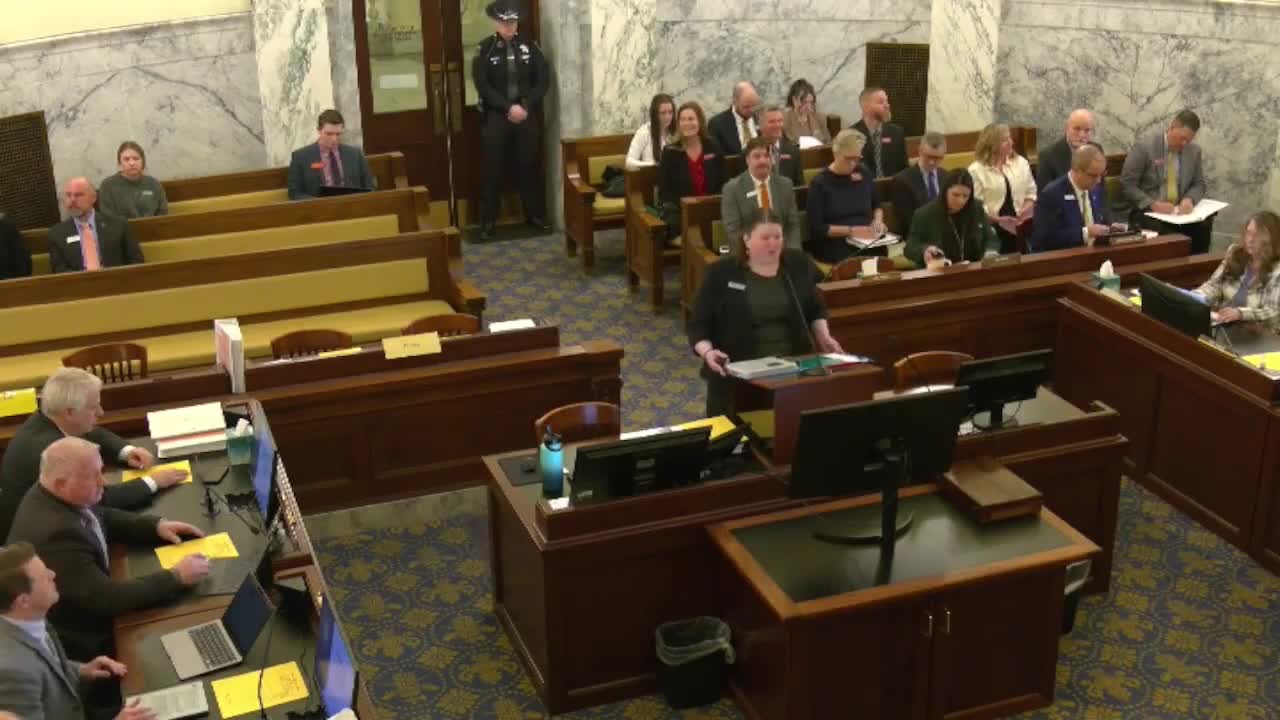
The Idaho Department of Parks and Recreation asked the Joint Finance Corporation Committee on Wednesday to approve a set of budget changes that would merge two internal programs, raise seasonal wages and fund several capital projects including marina replacements at Heyburn State Park.
Janet Jessup, a budget and policy analyst with Legislative Services, told the committee the department administers Idaho’s 30 state parks and trail systems and is currently allocated 190.8 full‑time positions. She said the agency’s budget mixes general, dedicated and federal funds and that many funds are legally restricted to specific uses, such as boat registration and snowmobile stickers.
“Those funds are statutorily prescribed to which purposes they can be used for,” Jessup said, describing how program‑specific revenues must be spent on their designated activities. She also showed the committee five‑year trends that reflect large one‑time appropriations in 2023 for deferred maintenance and a subsequent multi‑year expenditure pattern.
Susan Buxton, director of the Department of Parks and Recreation, told lawmakers the program consolidation (merging management services and park operations into a single budgeted program) is intended to simplify internal accounting and management. “It really is a ministerial request,” Buxton said, adding the change would not reduce transparency for revenues or expenditures.
Buxton and agency staff described two targeted personnel enhancements in the department’s 2026 request: raising seasonal employee pay from $12 to $15 per hour and addressing pay compression for rangers and other targeted positions by implementing a tiered ranger compensation program. Buxton said the measures would use dedicated funds and are aimed at making pay “commensurate” with comparable positions in other agencies and states.
Lawmakers pressed the agency on the math and market context for seasonal pay. Representative Tanner reviewed previous budget steps put toward the $12→$15 change across 2024–2026 and noted cumulative spending that, in his calculation, made the effective pay already higher than $12. Director Buxton and Jennifer Quindell Miller, the department’s human resources officer, told the committee managers have discretion at local parks and that market conditions vary by location; in some resort areas the agency has seen offers as high as $17–$18 per hour.
The department also highlighted capital and one‑time requests. Jessup called out Bear Lake Fish Haven and Lake Cascade projects, and Buxton described a project to replace two aging marinas at Heyburn State Park — Rocky Point and Chocolate Bay marinas — noting the Coeur d’Alene Tribe has offered to contribute and had already funded early design work. Buxton said the marina work would replace older docks and could increase slip counts for both facilities.
On equipment, Troy Elmore, operations administrator, told the committee the department plans to purchase a compact wheel loader funded from the snowmobile sticker fund; counties operate snowmobile grooming programs and the loader will support clearing parking lots at snowmobile use sites. Elmore said the department owns groomers and that the loader would serve about one‑third of the snowmobile grooming program parking lots.
Committee members asked Buxton for a written summary of deferred maintenance projects and progress; Buxton said the department had supplied a document in the committee packet listing projects and expenditures, including ARPA and other one‑time funds, and agreed to provide any additional details requested.
Buxton closed by thanking the committee for prior support and for funding that helped address deferred maintenance and personnel needs. “Thank you very much for all of your work,” she said.
Ending: The committee did not take a formal vote on these items during the hearing. The department’s requests — program consolidation, seasonal pay increases, targeted ranger compensation and listed capital projects — were presented for committee consideration and follow‑up correspondence was requested.