Get Full Government Meeting Transcripts, Videos, & Alerts Forever!
Get email alerts on the Health Insurance topic
No spam. Unsubscribe anytime.
Lawmakers debate state employee health insurance increase and reserve risk; benefit motions fail
Summary
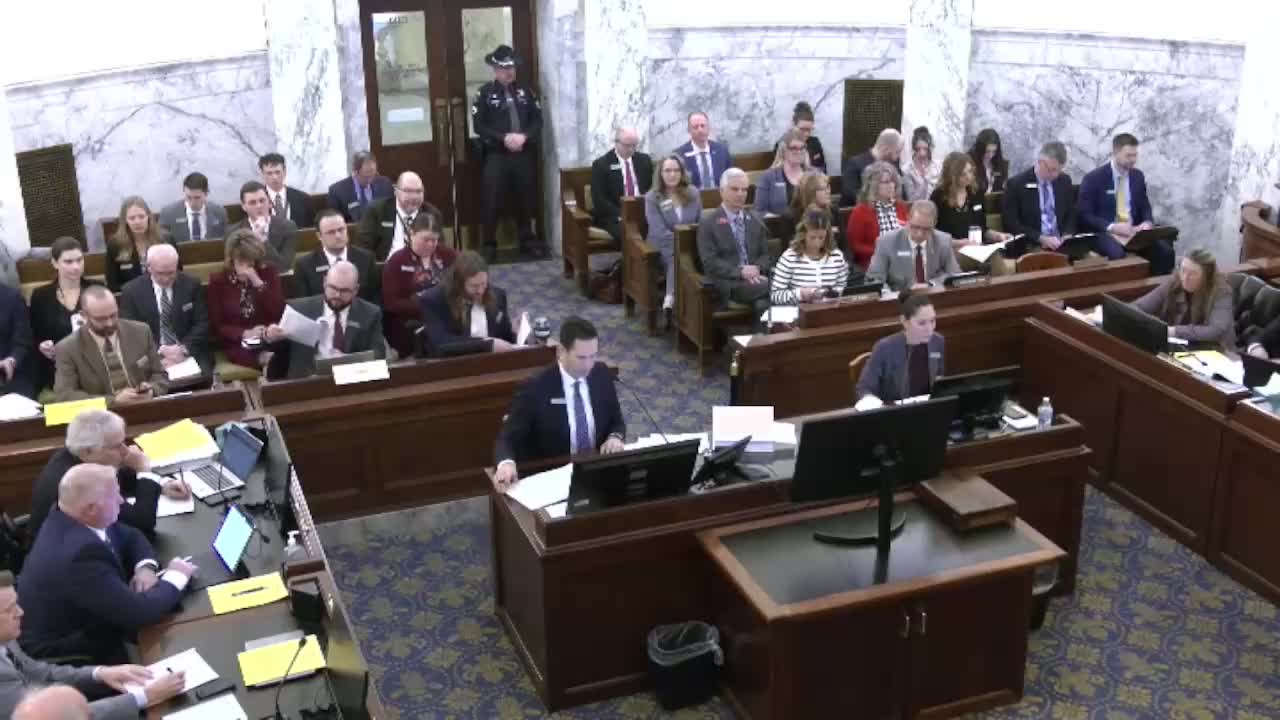
The Joint Finance‑Appropriations Committee debated two competing proposals for funding state employee health insurance for FY2026 and declined to approve either during Friday's session.
The Joint Finance‑Appropriations Committee debated two competing proposals for funding state employee health insurance for FY2026 and declined to approve either.
Analysts described two alternatives: the Economic Outlook committee's recommendation raising the per‑eligible full‑time‑position insurance base to $13,960 and the governor's recommendation to set it at $14,300. Committee staff said the governor's recommendation would add about $56.3 million total while the CEC recommendation would add about $40.3 million (both totals combine general, dedicated and federal funds). Representative Miller offered a motion to adopt the governor's $14,300 figure; Representative Furness later offered the CEC's lower figure as a substitute. Both motions ultimately failed to win the required majority in both chambers.
Budget analysts and insurance officials warned the committee about reserve risk. "The current projections from the Milliman report suggest ... it would pull the reserve balance down to, effectively, the statutory minimum of 10% of the total plan amount," Keith Bybee said when explaining the actuarial projections for the lower number. Laurie Wolf, DFM administrator, and Faith Knowlton, the administrator for the division handling group insurance, said the 10% contingency is a contractual minimum and that risk charges could apply if reserves fell below that threshold.
Wolf said the 10% level represents a roughly 50% probability band in actuarial scenarios and noted agencies typically budget a cushion above that to avoid risk charges. Knowlton said she was working with the carrier to quantify a potential risk charge and that the governor's higher recommendation would leave roughly an extra $10 million in cushion compared with the CEC recommendation.
After a pair of roll‑call votes, neither the substitute nor the original motion achieved the committee's dual‑chamber majority requirement, so no change to the health‑insurance base was adopted during the session. Committee members discussed returning to the subject later; fiscal staff provided printed actuarial numbers and cautioned about next‑year upward pressure on premiums if the committee funded less this year.