Get Full Government Meeting Transcripts, Videos, & Alerts Forever!
Get email alerts on the Education Finance topic
No spam. Unsubscribe anytime.
Scholarships and grants program asks for IT staffing and reports stable trustee spending; committee requests outcomes data
Summary
The State Board of Education's Scholarships and Grants program reported that nearly all spending is trustee/benefit payments, that timing drives year‑to‑year variance and that the office requests an additional software‑engineer position to maintain public application systems. Committee members asked for
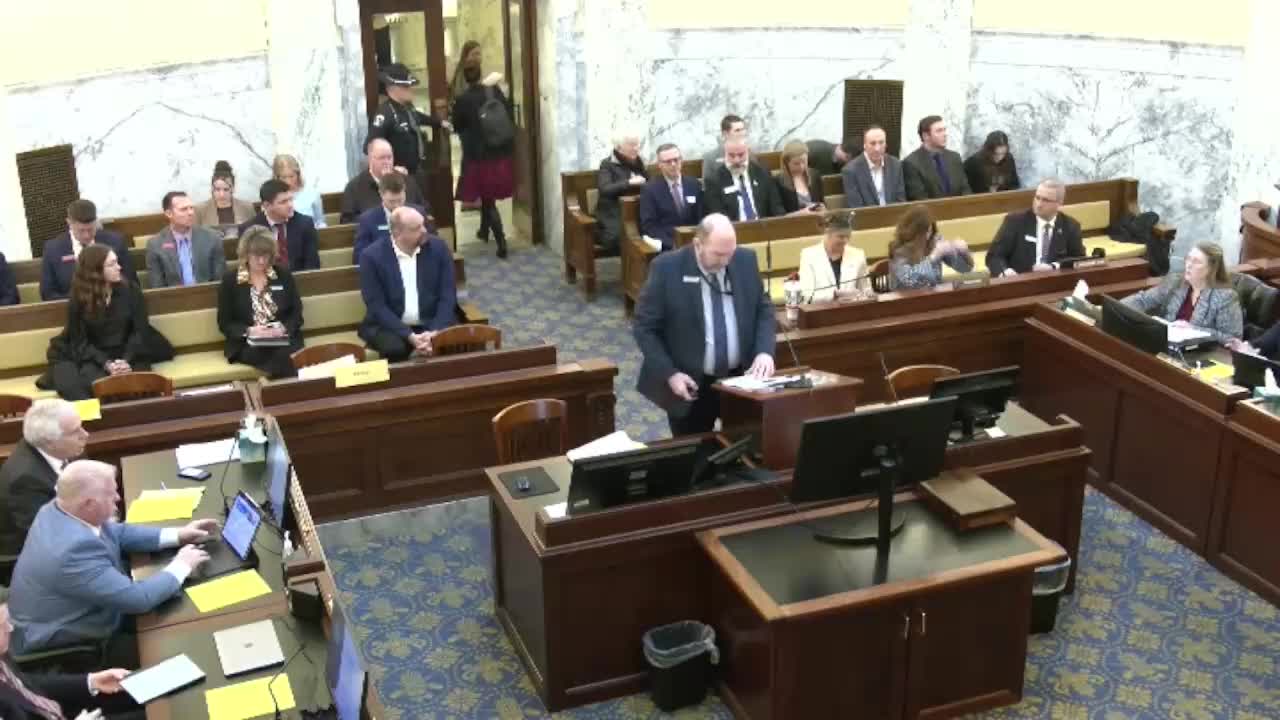
Kevin Campbell, budget and policy analyst with the Legislative Services Office, presented the Scholarship and Grants budget to the Joint Finance‑Appropriations Committee and the executive director of the State Board of Education answered questions.
Campbell said the program administers five scholarship and grant lines, including the Opportunity Scholarship, the Armed Forces and Public Safety Officer Scholarship, the GEAR‑UP federal scholarships and the Idaho Work Study Program. Nearly all program spending—99.5%—is trustee and benefit payments, and the program carries 1.35 authorized FTP.
The program requested $1,375,000 for the Bridger and Underserved Educator Incentive Program in FY2026, and also requested funding for an additional software‑engineer position to maintain and secure public‑facing databases and application systems. Director Josh Whitworth of the State Board of Education said some customer‑service workloads are borne by other SBEC budgets, which affects the apparent personnel share in the scholarships and grants line.
Committee members asked about performance measures and program outcomes. Whitworth said the office will provide more data and noted that some scholarship programs (for example, the Launch program run elsewhere in state higher‑education budgets) are linked to increases in postsecondary enrollment and that the Opportunity Scholarship targets lower‑income students; he committed to returning more outcome data to the committee.
No votes were recorded on the scholarship requests during the hearing; committee members asked for district‑level and retention data on the Bridger and Underserved Educator Incentive Program and for clarity on the definition of “underserved.”