Get Full Government Meeting Transcripts, Videos, & Alerts Forever!
Get email alerts on the Psychiatric Hospitalization topic
No spam. Unsubscribe anytime.
State psychiatric hospitals seek supplemental to cover civil‑commitment costs as restoration‑to‑competency cases surge
Summary
Legislative analysts and Department of Health and Welfare officials told the Joint Finance‑Appropriations Committee the state faces rising civil‑commitment and restoration‑to‑competency costs and is requesting a $2.6 million one‑time supplemental to cover increased mental‑hold expenditures.
Legislative analysts and the Department of Health and Welfare briefed the Joint Finance‑Appropriations Committee on the Division of Psychiatric Hospitalization, reporting accreditation progress, billing changes, and rising costs tied to civil commitments and restoration‑to‑competency cases.
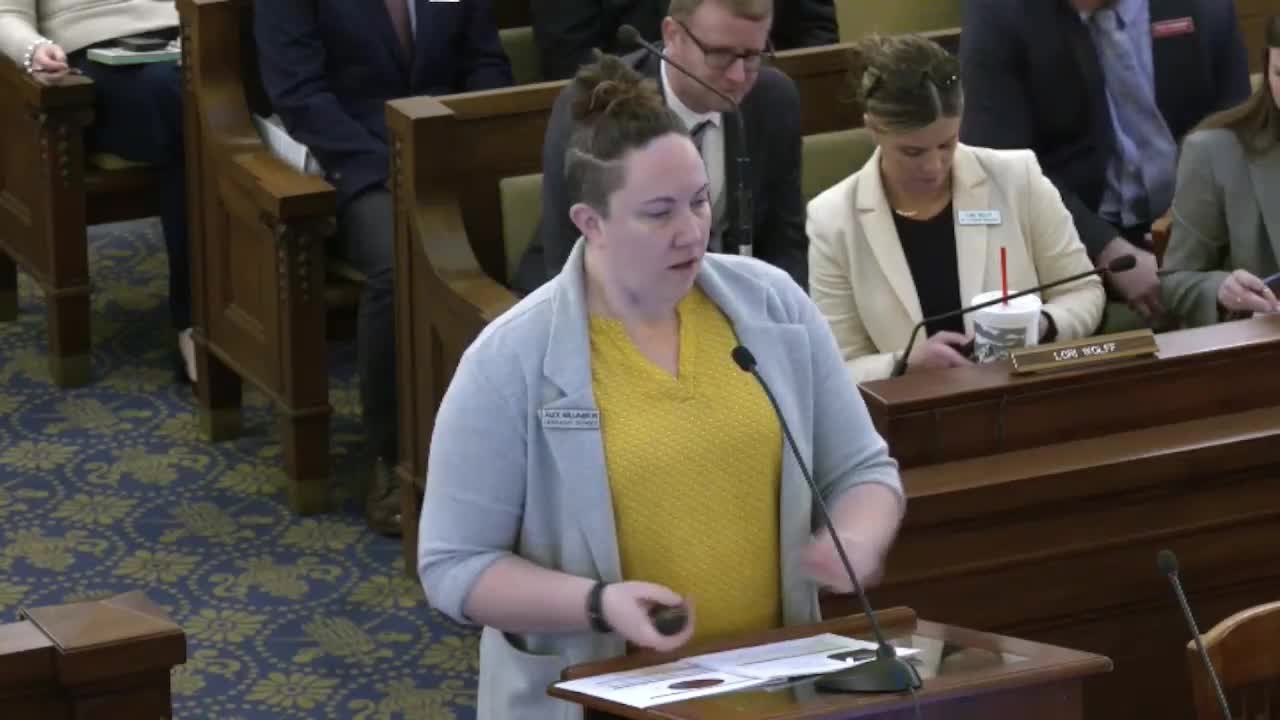
Alex Williamson, Legislative Services Office analyst, said all three state hospitals have now received accreditation and that the accreditation change lets the hospitals bill Medicaid for eligible patients. Director Alex Adams said that billing has produced receipts and reduced general‑fund pressure: “They've so far billed $1,600,000. They've received $1,300,000, so that's arguably $1,300,000 less that, we otherwise would have had to ask for on the general fund,” Adams said.
The division requested a one‑time fiscal‑year 2025 supplemental of $2,600,000 from the General Fund to cover increased costs for mental holds and commitments. Williamson tied the request to Senate Bill 1327 (2022), which shifted responsibility for certain commitment costs to the state; the transcript notes that change in law and the department’s resulting increased costs.
Committee members probed staffing and capacity. Adams reported low vacancy rates at two facilities and higher vacancy at State Hospital North: “Right now at State Hospital West, I've got 0 percent vacancy. At State Hospital South, I've got 2.8% vacancy. It is higher at State Hospital North, it's 11.5%,” Adams said. Ross Edmonds, division administrator, told the committee that the number of holds from law enforcement and health‑care professionals has risen year‑over‑year and that restoration‑to‑competency cases have driven a substantial portion of inpatient demand. Edmonds said restoration‑to‑competency admissions have increased roughly 600% over the last decade and that “about 75% of the beds [at State Hospital North] are filled with restoration‑to‑competency cases.”
Adams explained a federal billing rule tied to length of stay: Medicaid will pay for hospital stays under 60 days; stays longer than 60 days are typically not reimbursed by Medicaid and the state becomes financially responsible. The department reported that admissions longer than 60 days rose from about 17% of cases to about 37%.
Committee members asked whether accreditation would produce expected savings from FMAP billing; Adams said recent accreditation has begun producing receipts but full‑year savings may not yet be visible because accreditation occurred mid‑year. No formal committee vote on the psychiatric supplemental was recorded in this hearing.