Get Full Government Meeting Transcripts, Videos, & Alerts Forever!
Get email alerts on the Unsafe Buildings topic
No spam. Unsubscribe anytime.
Riviera Beach describes program to repair, secure or remove unsafe properties
Summary
City staff say a Riviera Beach program identifies unsafe or dilapidated buildings, secures or demolishes them when necessary, and in some cases the properties are rebuilt and put up for sale.
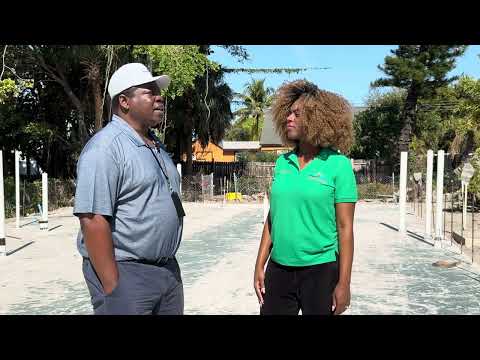
Riviera Beach city staff described a program that identifies unsafe or dilapidated properties and takes steps to secure, repair or, if necessary, demolish them to reduce blight and improve neighborhood safety, a city video said. "Did you know our city has a program dedicated to removing unsafe buildings that help to make our community more beautiful and safe?" the presenter, identified only as Britney, says in the video.
City officials in the video said the program can board up properties, remove occupants when a structure is imminently dangerous, or pursue demolition depending on the condition of the property. The video says some properties subject to the program have been rebuilt and placed for sale.
The video names John Knowles as Riviera Beach's Building Division community inspector and Michael Grama as the city's floodplain manager and building official. It says staff work with police reports to compile lists of the most unsafe properties; the video says a staff member identified as "Mr. Grimm" compiled such a list about two years ago with police input. The presenters said the removal or remediation process can be lengthy when state agencies must also act: "It wasn't a quick process, but she had already had the ball rolling with the state, and it took a while for them to actually demolish the property," the video says.
According to the video, the program's goals include beautifying neighborhoods, keeping property values up and reducing crime. City staff described decisions about each property as case-by-case: in some situations occupants are removed quickly when a building is imminently dangerous; in other cases, staff said they try alternatives because an occupant may be better sheltered in the home than on the street. The video does not specify funding sources, timelines for most removals, or whether formal city council action was required for the example property shown.
The video provides a single example of a property that was in poor condition, was demolished or partly removed, and is now being rebuilt, which the presenter says "is now up for sale." The presenters also state that staff enforce applicable Florida and city building codes when assessing structures.
No formal votes or legislative actions are recorded in the video; the segment is descriptive of the program's procedures and a case example. The video does not provide dollar amounts, specific code citations, property addresses, or dates for the example beyond the references noted above.