Get Full Government Meeting Transcripts, Videos, & Alerts Forever!
Get email alerts on the Budget Process topic
No spam. Unsubscribe anytime.
JFAC staff outline 'program maintenance' bills, 10 functional areas to frame next week’s budget decisions
Summary
Budget staff explained that program maintenance will be organized into 10 functional appropriations bills covering benefit cost adjustments, contract inflation, statewide cost allocation and CEC; enhancement bills will handle replacement items, population forecast adjustments and other growth items.
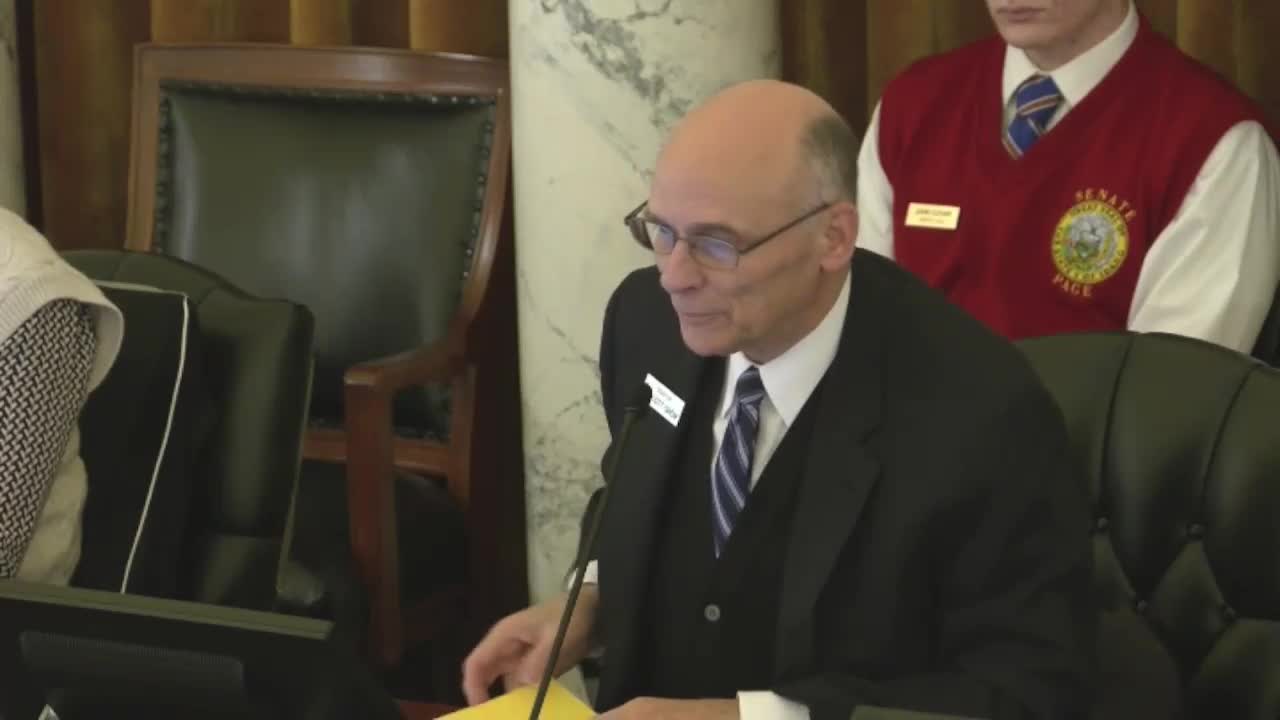
Keith Bybee, division manager for budget policy analysis, walked members of the Joint Finance‑Appropriations Committee through how staff intend to organize the program maintenance appropriations into 10 functional bill groupings.
"What we want to talk about this morning is a program maintenance appropriations bill," said Keith Bybee. He explained the maintenance bills will group agencies into functional areas — for example, separating the legislative branch and statewide elected officials from general government agencies, and treating the judicial branch and public safety as separate groupings for purposes of budgeting.
Bybee said program maintenance will begin with the prior year base and incorporate building‑block adjustments such as personnel benefit cost adjustments (including Division of Human Resources recommendations and health insurance), contract inflation (ongoing leases and software contracts), statewide cost allocation reimbursements, and the Change in Employee Compensation package. He said the intent this year is to include all of the CEC adjustments in the program maintenance bills rather than in a separate bill.
By contrast, enhancement bills will hold replacement items (separate decision units for regular replacement and IT replacement), fund shifts, general inflation requests, population forecast adjustments (formerly called nondiscretionary), annualizations and other growth items. Bybee said separating population forecast adjustments gives the legislature more time and information — for example, updated student support‑unit forecasts from the Department of Education or changing Medicaid caseloads — before making larger growth decisions.
Bybee outlined the committee schedule: an initial hearing and packet review the week of Jan. 17 with decision making to follow (the presentation described a hearing on Wednesday and decisions on Friday of that week). He emphasized that setting a program maintenance budget does not preclude later increases or decreases and gave the Department of Commerce/Office of Broadband reorganization last year as an example of adjustments made after an initial maintenance setting.
Why it matters: Organizing maintenance vs. enhancement bills determines when and how the legislature considers recurring obligations versus new or growth‑driven spending. Bybee framed the maintenance bills as the standard way to treat recurring, statewide obligations and enhancement bills as the right place for growth and replacement decisions requiring closer review.
What was not decided: The committee received the staff framework and schedule; specific dollar decisions remain to be made in the hearings that follow.