Get Full Government Meeting Transcripts, Videos, & Alerts Forever!
Get email alerts on the Scholarships And Grants topic
No spam. Unsubscribe anytime.
State Board’s Scholarships and Grants program outlines rural educator incentive spending and requests IT support position
Summary
The Office of the State Board of Education presented scholarship and grant spending, including Opportunity Scholarship growth and rural/underserved educator incentive cohorts; the board requested a software engineer position to maintain student-facing systems and requested performance data on retention and recruitment outcomes.
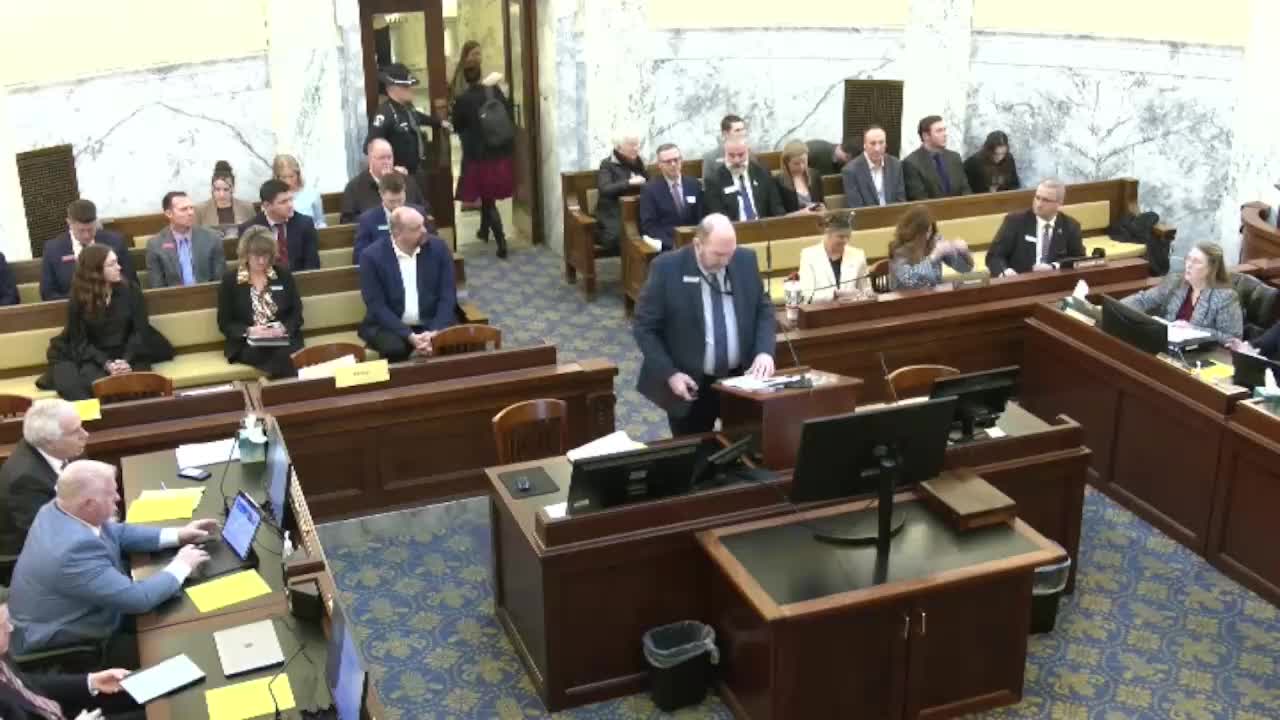
Kevin Campbell, budget and policy analyst, and Josh Whitworth, executive director of the State Board of Education, briefed the committee on Scholarships and Grants, a special program that administers several scholarship programs and incentive funds.
Scholarships and Grants administers five programs including the Rural and Underserved Educator Incentive Program (sometimes referenced as the Bridal and Underserved Educator Incentive Program), the Opportunity Scholarship, the Armed Forces and Public Safety Officer Scholarship, GEAR UP federal scholarships and the Idaho Work Study Program. The program is housed administratively in the Office of the State Board of Education and reported 1.35 authorized FTP and no vacancies in the program core, Campbell said.
Campbell noted that the program’s expenses are timing-sensitive because award cycles do not align with the fiscal year; 99.5% of spending is trustee and benefit payments with roughly 0.5% personnel. The committee discussed data and performance measures; Director Whitworth said the board will expand reporting to show whether scholarships meet intended goals, including retention in rural and underserved districts.
Scholarships and Grants requested $1.375 million for the rural and underserved educator incentive program for FY2026 and an additional 0.35 FTP (a software engineer) for database maintenance and public-facing interfaces. Whitworth said scholarship and grant databases and public user interfaces require maintenance, upgrades and security work beyond the current staffing capacity, and said there is a backlog of technical work. He and committee members agreed to follow up with data on cohort sizes, district-level allocation and retention metrics; Whitworth offered preliminary cohort counts (approximately 390 teachers in the first cohort and about 231 in the second cohort) and agreed to clarify the definition of “underserved.”
Senator Cook asked why the program requested an additional software engineer when a vacant FTP position exists; Whitworth said the existing funding at the vacant FTP was insufficient to hire the position at market rates and the requested new position would be funded to address an ongoing backlog and security needs. Members asked for metrics showing student outcomes and whether scholarships meet their intended purposes; Whitworth said the board’s higher-level fact book shows launch-program impacts and agreed to return with more detailed performance outcomes.