Get Full Government Meeting Transcripts, Videos, & Alerts Forever!
Get email alerts on the Psychiatric Hospitalization topic
No spam. Unsubscribe anytime.
State hospital accreditation boosts Medicaid billing but civil commitment costs fuel supplemental request
Summary
Committee heard that all three state hospitals have accreditation and began billing Medicaid, reducing general fund reliance; however civil commitment and restoration-to-competency caseloads have risen and the department requests a one-time supplemental to cover increased costs from changed payment responsibilities under SB 1327 (2022).
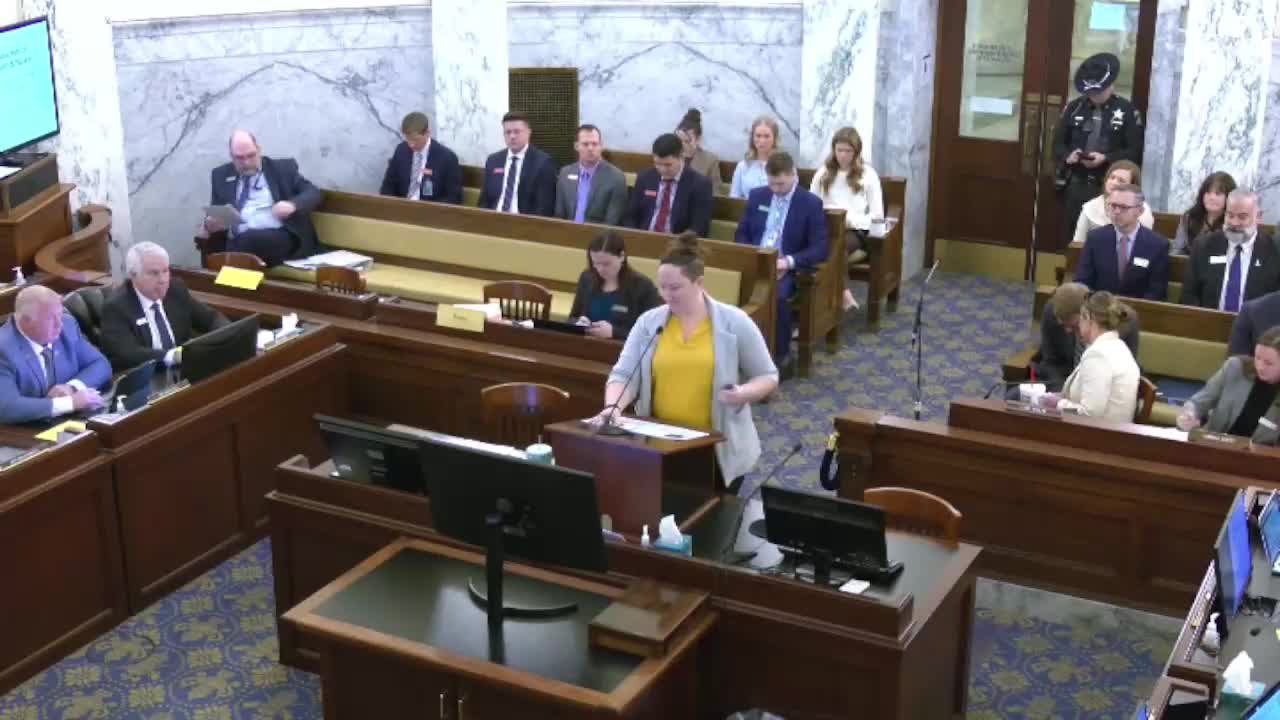
Analysts and Department of Health and Welfare officials told the Joint Finance-Appropriations Committee that accreditation of the state hospitals has begun to produce Medicaid billing receipts but spending pressures remain from civil commitments and an increase in restoration-to-competency cases.
Alex Williamson, legislative budget and policy analyst, said psychiatric hospitalization is organized into community hospitalization and three state hospitals (State Hospital South in Blackfoot, State Hospital North in Orofino, and State Hospital West in Nampa). The division is authorized 467 full-time positions, and fiscal-year 2024 expenditures were primarily personnel and operating costs.
Williamson noted a fiscal 2026 supplemental request of $2.6 million from the general fund to cover higher civil-commitment expenditures. The analyst traced a policy change in 2022 (Senate Bill 1327) that shifted responsibility for some mental-hold and commitment costs to the state, increasing the department’s financial exposure.
Department director Alex Adams said all three hospitals are accredited; State Hospital West has billed Medicaid and received approximately $1.3 million in receipts so far, which reduced the general fund need by that amount. He described accreditation as allowing federal match in many cases and explained the department’s request for receipt authority to reflect Medicaid collections.
Committee members pressed agency staff on why civil-commitment costs rose. Ross Edmonds, behavioral health division administrator, said the number of law-enforcement and health-care-initiated “holds” that create temporary entitlement for payment has increased year over year; civil commitments themselves have been relatively flat, but the number of restoration-to-competency cases — evaluations to determine whether defendants are competent to stand trial — has increased dramatically. Edmonds reported roughly a 600% increase in restoration-to-competency commitments over the last decade and that about 75% of beds at State Hospital North are occupied by restoration-to-competency patients.
Adams told the committee a federal rule affects reimbursement: Medicaid covers stays of 60 days or less but will not reimburse for stays beyond 60 days. The department reported that the percentage of admissions exceeding 60 days has risen from about 17% to 37%, producing an increased state cost for the longer stays.
Committee members asked about staffing and capacity. Adams said vacancy rates are lower than the agency-wide average — 0% vacancy at State Hospital West, 2.8% at State Hospital South and 11.5% at State Hospital North — and attributed improved staffing partly to agency compensation actions. However, he and Edmonds said growing civil commitments and restoration-to-competency caseloads continue to strain capacity and drive supplemental funding needs.
Williamson and Adams described several fund shifts and receipt-authority adjustments in the governor’s recommendation to align fund sources after accreditation and billing changes. The department asked for transfer-exemption language for psychiatric hospitalization similar to other mental-health division requests.