Get Full Government Meeting Transcripts, Videos, & Alerts Forever!
Get email alerts on the Scholarships Grants topic
No spam. Unsubscribe anytime.
State scholarship budget stable; board proposes staffing and program funding follow-ups
Summary
Legislative analysts reviewed the Scholarships and Grants program housed at the Office of the State Board of Education, noting most spending is trustee/benefit payments and the agency asked for a software-engineer position to maintain program databases and public interfaces.
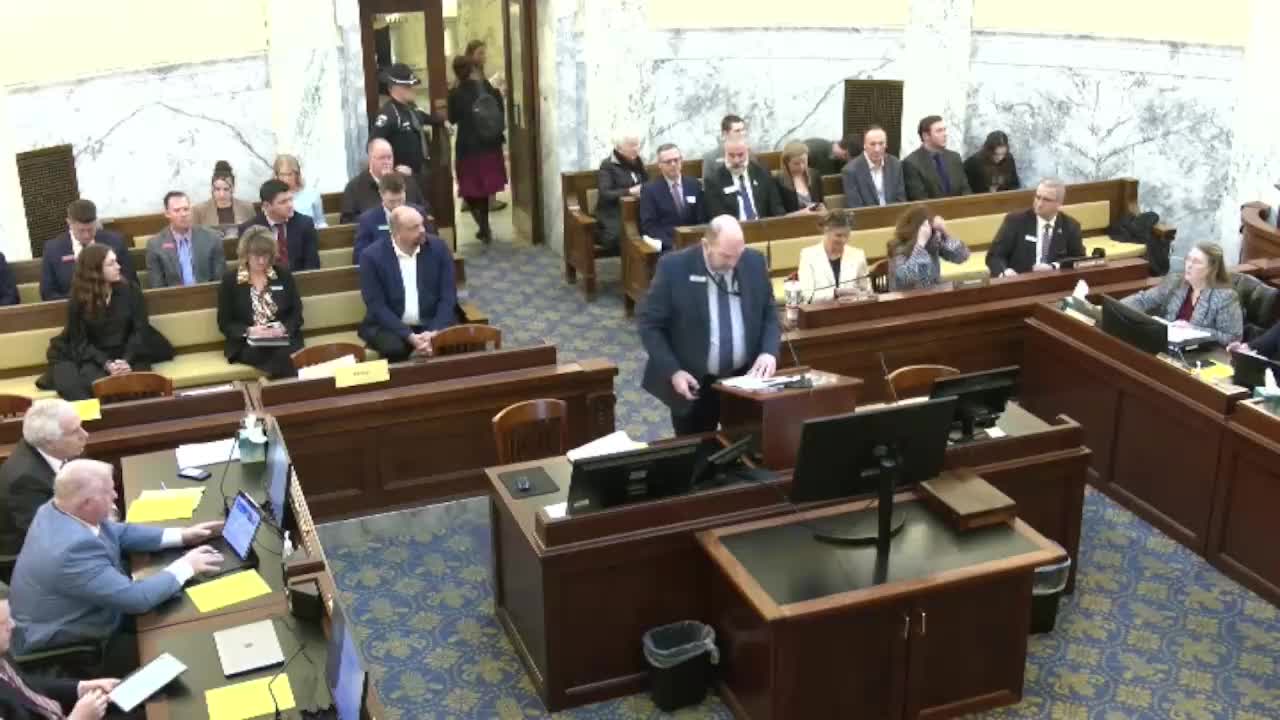
Kevin Campbell, budget and policy analyst with the Legislative Services Office, presented the Scholarships and Grants program budget, which is administratively housed at the Office of the State Board of Education (OSBE). The program administers Opportunity Scholarships, the Bridging and Underserved Educator Incentive Program, Armed Forces and Public Safety Officer scholarships, GEAR UP-related federal scholarships and the Idaho Work Study program.
Campbell said 99.5% of program spending is trustee and benefit payments (awards to students) and about 0.5% is personnel. The program currently shows 1.35 FTP with no vacancies reported. The program’s spending can vary year to year because scholarship award cycles and federal grant timing do not perfectly align with the state fiscal year.
OSBE Executive Director Josh Whitworth told the committee the agency will provide more detailed performance and outcome measures on request. He said some scholarship administration burdens are borne by other OSBE staff and that the board intends to review whether scholarships are meeting intended outcomes, including whether the Bridging and Underserved Educator Incentive program is improving recruitment and retention in rural and underserved districts.
Requests and data follow-ups: Scholarships and Grants requested $1,375,000 for the Bridging and Underserved Educator Incentive program for FY2026 and asked for a software-engineer position (roughly $124,000 requested) to maintain and secure public-facing databases and application systems. Whitworth said funding to hire and retain software support is constrained and the board prefers a permanent, state-funded position for stability. Committee members asked the board to provide outcome data showing which districts received incentives, retention rates and whether the program’s rural/underserved definitions match legislative intent.
Takeaway: the scholarship program is largely pass-through award spending; the OSBE requested additional permanent technical capacity to maintain application systems and asked to provide performance data on the Bridging and Underserved Educator Incentive program to the committee.