Get Full Government Meeting Transcripts, Videos, & Alerts Forever!
Get email alerts on the State Budget Finance topic
No spam. Unsubscribe anytime.
Idaho Department of Finance seeks six new examiners amid rising cyber and elder-fraud workload
Summary
The Department of Finance asked the Joint Finance-Appropriations Committee to approve six full-time positions and $816,600 from state regulatory funds for FY2026, citing increased cybersecurity and fraud workloads affecting elderly Idahoans; the governor recommended most but not two IT-focused investigator positions.
The Department of Finance requested six new full-time positions and $816,600 in ongoing funding from state regulatory funds for fiscal year 2026, citing rising cybersecurity threats and increasing fraud targeting older Idahoans.
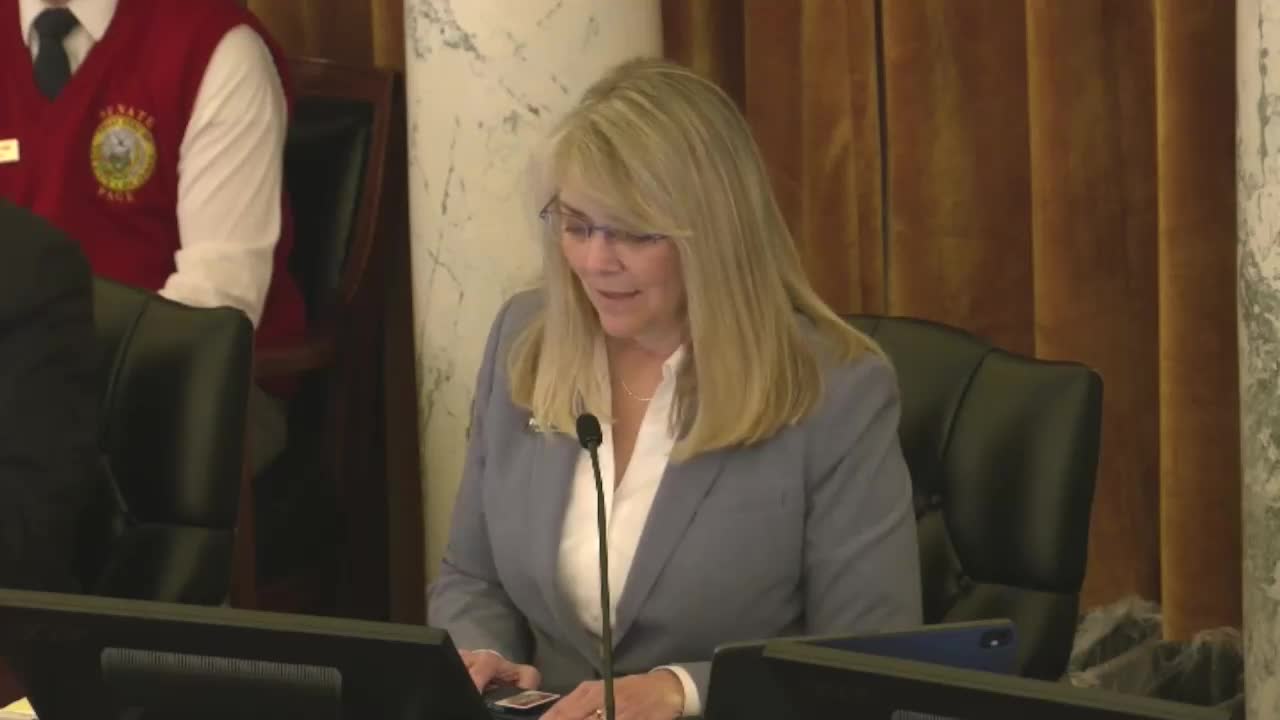
At a Jan. 21 meeting of the Joint Finance-Appropriations Committee, budget analyst Noah Peterson outlined the agency request and staff structure, saying the department has 72 full-time personnel and operates three bureaus: Financial Institutions, Consumer Finance and Securities. "The Financial Institutions Bureau works with federal and other state regulators to ensure all Bridal chartered financial institutions are compliant with the relevant regulations that govern them," Peterson said while reviewing the agency overview and fund sources.
The agency's enhancement request includes: one IT examiner for the Financial Institutions Bureau; one additional financial examiner for the Financial Institutions Bureau; two "financial investigator 3" positions focused on IT examinations for mortgage/credit and consumer services in the Consumer Finance Bureau; one cybersecurity-focused examiner for the Securities Bureau; and one forensic accounting examiner for the Securities Bureau. Peterson presented salary budgets that ranged from $82,500 (grade M) to $121,300 (grade P) for the requested positions and a one‑time capital outlay package recommended by the Office of Information Technology Services to buy laptops, docking stations and portable field monitors.
Director Patty Perkins told the committee the department has begun focusing on cyber-enabled fraud and elder‑targeted scams and that current investigative staffing is small. "There is a huge increase in cybercrime. And, we have a particular, concern about the elderly population in the state," Perkins said, adding that the agency has partnered with the Idaho State Police and other law enforcement to "follow the money." She said access to specialist tools and crypto expertise is limited among state investigators and that the Department of Finance has used ISP-purchased systems for some work.
Committee members asked for more measurable data to justify the positions. Senator Wintrow praised staff work on elder fraud and asked for case and workload detail; Senator Cook requested baseline metrics and a way to measure return on investment after one year. Peterson and Perkins both said they would provide additional data to the committee. Peterson said tangible numbers on cybersecurity damages come from federal sources and were not immediately available and that the director could provide workload specifics.
On the governor's recommended budget, Peterson said the governor approved the requested items except for the two Consumer Finance Bureau "financial investigator 3" positions (the IT-focused investigator roles), which were not recommended.
The committee did not take a vote during the Jan. 21 presentation. Perkins said the department supports the governor's recommendation and will supply the committee with additional information on cases and workload as requested.
The department's operations are funded primarily by state regulatory funds sourced from licensing, filings, fines and assessments; Peterson noted the mortgage recovery fund and the securities investor-education fund have statutory limits on annual use ($50,000 each for administration/education). The analyst reported the Department of Finance spent about 92.5% of its appropriation on average over the prior four fiscal years and that personnel costs made up roughly 77.8% of recent expenditures.
The committee moved on after questions; no formal action or vote on the enhancement request occurred that day.