Get Full Government Meeting Transcripts, Videos, & Alerts Forever!
Get email alerts on the Juvenile Corrections topic
No spam. Unsubscribe anytime.
Idaho juvenile corrections requests funding for radios, substance-use treatment as youth mental-health needs rise
Summary
The Department of Juvenile Corrections presented its fiscal 2026 budget enhancement requests to the Joint Finance-Appropriations Committee, highlighting a $380,000 one-time radio upgrade, a $300,000 ongoing request for residential substance use disorder treatment, and concerns about rising mental-health needs and an increasing in-custody census.
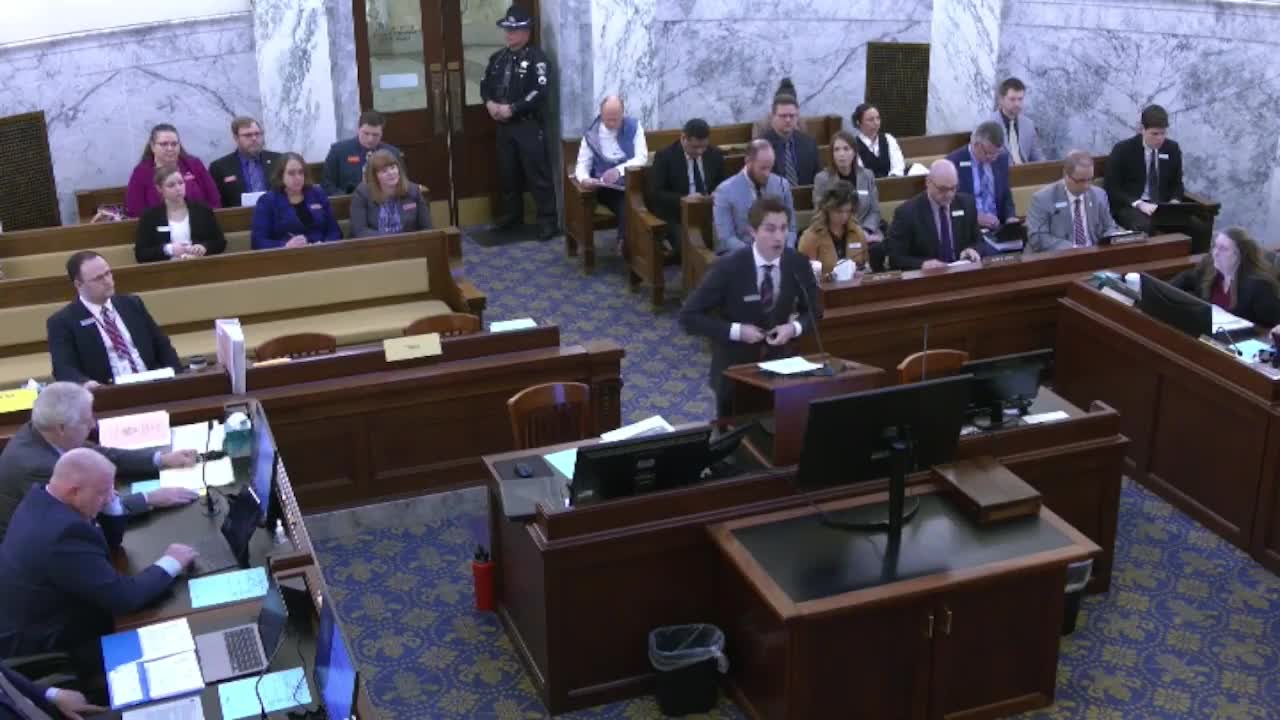
Department of Juvenile Corrections Director Ashley Dowell told the Joint Finance-Appropriations Committee on Feb. 18 that the department is seeing growing mental-health needs among youths in custody and has brought several budget requests to reflect that trend.
The requests to the committee included a $380,000 one-time purchase from the Juvenile Corrections Endowment Income Fund to replace and program radios with a “man down” feature across the Lewiston, Nampa and St. Anthony facilities; a $300,000 ongoing general-fund request to cover increased costs for residential substance-use-disorder (SUD) treatment; $145,100 in replacement-item requests from dedicated funds; a $232,500 request for recommended IT hardware replacement; and a net-zero reallocation of $675,100 moving personnel costs to operating and reducing seven FTP positions tied to consolidating IT jobs with the Office of Information Technology Services.
The SUD request responds to a rise in per-day and per-stay costs for residential treatment. Budget analyst Noah Peterson told the committee the daily cost doubled from about $198 in 2021 to $399 in August 2021, and the average length of stay increased from 31 days to 67 days. Peterson said the changes raised the program cost from about $1.26 million in FY2021 to about $2.7 million in FY2024. "This $300,000 request is to make up the difference from what was previously covered by Health and Welfare," Peterson said, noting the Department of Health and Welfare had used ARPA funds to offset some costs but is no longer able to do so.
Director Dowell described observable changes in the population and caseload. "I am concerned about just the level of mental health we're seeing in the youth with our facilities," she said, adding the department has seen "an increase in criminality as well." Dowell told senators and representatives that staff are seeing increases in suicidal ideation and self-harming behavior among youth.
Committee members pressed for additional data. Representative Tanner asked for counts and trends over time; Peterson said he did not have population numbers in front of him but could provide the data to the committee. Dowell said the department's census reached an all-time low of 137 in May 2024 and was 176 at the time of the hearing, an approximate 19% increase from the low. She said diversion efforts earlier reduced custody numbers but census has begun to increase from that low point.
Law, screening and diversion updates
Dowell told the committee the human-trafficking screening bill passed last session has been implemented: "That bill has been fully implemented. The due date for that was January of 2025," she said. She added that the department and county partners identified screening tools, provided training and adopted the screening in department facilities for consistency.
Age limits and detention policy
Committee members asked about the department's authority and policy on minimum detention age. Dowell said state law allows detention of children with no statutory minimum, but IDJC facilities cannot incarcerate children under age 10: "We serve kids from 10 to 21, but there is no such prohibition on the detention side," she said. She said a diversion subcommittee of the Idaho Behavioral Health Council is working on that issue and the department plans to work with legislators over the summer on possible language.
Effectiveness of youth crisis and assessment centers
Members asked whether youth crisis centers are diverting children from custody. Dowell and staff said they do not have complete diversion counts in the hearing but reported anecdotal successes: staff cited cases of children under age 10 who were stabilized at crisis centers instead of entering detention. Peterson noted the agency has reappropriation authority and supplementals in recent years tied to youth assessment and crisis centers, which affected expenditures across FY2022–2024.
Next steps
Analysts and agency staff repeatedly offered to provide detailed follow-ups to committee requests, including population and length-of-stay data, a breakout of replacement-item requests, and details on the net-zero FTP adjustments. No formal appropriation votes were taken during the presentation; the items were presented as enhancement requests for the committee's consideration.
Ending
Director Dowell closed by thanking the committee and reiterating the department's focus on treatment and reintegration: "They do tremendous work...to successfully reunify with families and their communities when they are out of our custody," she said. The committee requested follow-up materials on population trends, youth-crisis diversion metrics and the SUD cost increases for future deliberations.