Get Full Government Meeting Transcripts, Videos, & Alerts Forever!
Get email alerts on the Planning General Plan topic
No spam. Unsubscribe anytime.
City launches 18‑month general plan update; staff open public engagement and roll out e‑permitting
Summary
Lake Havasu City development services described an 18‑month general plan update process that will include public questionnaires and community events, while also reporting near-complete rollout of an electronic permitting and licensing system called Mainstar and recent code-enforcement changes.
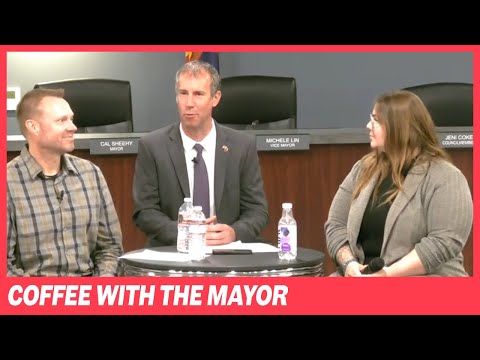
Development Services Director Jeff Tooneman told the June 6 Coffee with the Mayor event that the city has begun an 18‑month update to its general plan, the document that guides land-use decisions for the next decade.
“To use the general plan on a daily basis ... someone comes in and says they would like to to rezone a property. The first thing we do is we go to that general plan,” Tooneman said, explaining that the plan controls whether proposed land uses match the city’s vision and that major amendments are required when projects exceed five acres.
The city hired consultant Logan Simpson and has formed a technical advisory committee of staff and a citizen steering committee. Tooneman said the first questionnaire has received 758 responses so far, 78% from within city boundaries, and that a community event tied to the questionnaire was planned for early July at the aquatic center. The general plan must be adopted by the planning and zoning commission, the city council and then ratified by voters in the November 2026 general election, Tooneman said, and he emphasized state statutory review steps for major amendments.
To streamline permitting and licensing, Tooneman said the city has been implementing Mainstar, an online citizen portal for building permits, business licenses, short-term rental permits, fire permits and code-enforcement complaints. “Today, we're about 95% implemented with that system,” he said, adding that roughly 60% of processes are available electronically and that residents get status notifications, can pay fees online and schedule inspections in real time.
Mayor and staff also discussed code enforcement. Tooneman and the mayor described the city’s code as principally education-focused and reactive by policy; recent changes added insurance requirements for vehicles worked on in yards and strengthened nuisance language in response to repeated complaints. Tooneman said typical compliance is achieved through education and voluntary corrections, but that life‑safety violations can trigger a more aggressive enforcement sequence under existing city code.
Ending: Tooneman encouraged residents to join the general‑plan process through the project website and community events and to use the Mainstar portal for permit applications and to track cases. The city said the general plan update is publicly accessible and will include multiple opportunities for resident comment.