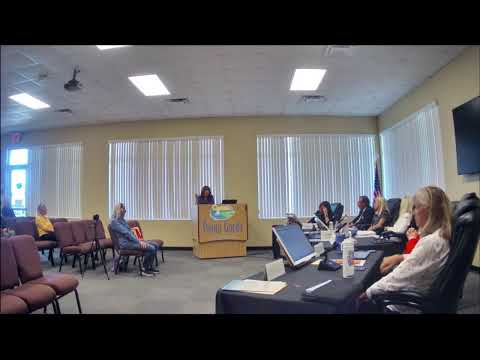
Punta Gorda YMCA seeks to ease community tensions over Cooper Street access
Loading...
Summary
The YMCA of Southwest Florida outlined months of programming at Cooper Street Recreation Center and pledged to widen community access after residents and local leaders pressed for more control over space at the facility the city leases to the Y.
The YMCA of Southwest Florida told the Punta Gorda City Council on Oct. 22 that it has expanded programs at the Cooper Street Recreation Center since taking the lease and said it is open to further scheduling and partnership to address community concerns about access.
The YMCA’s vice president of operations, Chris Sapp, presented a timeline of development and programming that began after the Y received keys to the building in July 2024. He said the organization hosted seniors’ drop-in hours, summer camps that supplied free lunches and snacks, tax-preparation assistance for 300 families through a United Way program, youth activities, a reading-buddies literacy program and community events including Juneteenth. “We were open and available starting in January for just seniors to come in and socialize,” Sapp said.
Local residents and neighborhood leaders used public comments and later audience testimony to press the council and the Y for clearer, regular access and for a space the neighborhood can control. Ralph Anthony, who described himself as a property owner in District 1, said residents want a portion of the upstairs space for community-managed activities “outside of the YMCA’s operating hours.” He asked the council to seek an arrangement that gives the neighborhood a defined level of control.
Kendall Ellis, an advisory board member and longtime Punta Gorda resident who has supported Cooper Street programming, urged dialogue and cautioned against reopening disputes from the center’s past. “If you want to use a space, you always went there and you coordinated the use of that space,” Ellis said, adding that the Y has not denied requests but that emotions over the center’s history complicate discussions.
City staff and the interim city attorney attended the conversation. Interim City Attorney Lescovich told the council that the city’s lease terms and public-purpose obligations are relevant: if a vendor or organization helps prepare technical specifications for a procurement, procurement law can require that vendor be excluded from competing for the work. He encouraged the parties to negotiate operating details that fit the existing lease rather than attempting to force a change that could create legal exposure.
Chris Sapp said the YMCA has not declined community requests and offered a straightforward path: community groups should contact Y staff to reserve space. “If they call myself or any of the staff, as long as there’s nothing else previously scheduled, we coordinate with everyone,” Sapp said. He also said the Y will improve outreach and signage to ensure people know when the facility is available for drop-in and community events.
Council members pressed for practical next steps. Several suggested a short, public meeting to build a usage plan and stronger communication — the YMCA and community leaders scheduled a planning meeting for the following morning to start that process. City Clerk Sarah Welch and staff agreed to support clearer signage and broader promotion of the center’s open hours and list of programs.
The council did not take formal action on the lease during the meeting. The attorney advised that if residents present evidence of being denied access under the current lease, the council can revisit the terms; absent such evidence, staff recommended continued negotiations and operational changes. Several council members said they expect a follow-up report in a future meeting with specific proposals to increase community-managed programming and easier reservation procedures.