Get Full Government Meeting Transcripts, Videos, & Alerts Forever!
Get email alerts on the Public Health District Authority topic
No spam. Unsubscribe anytime.
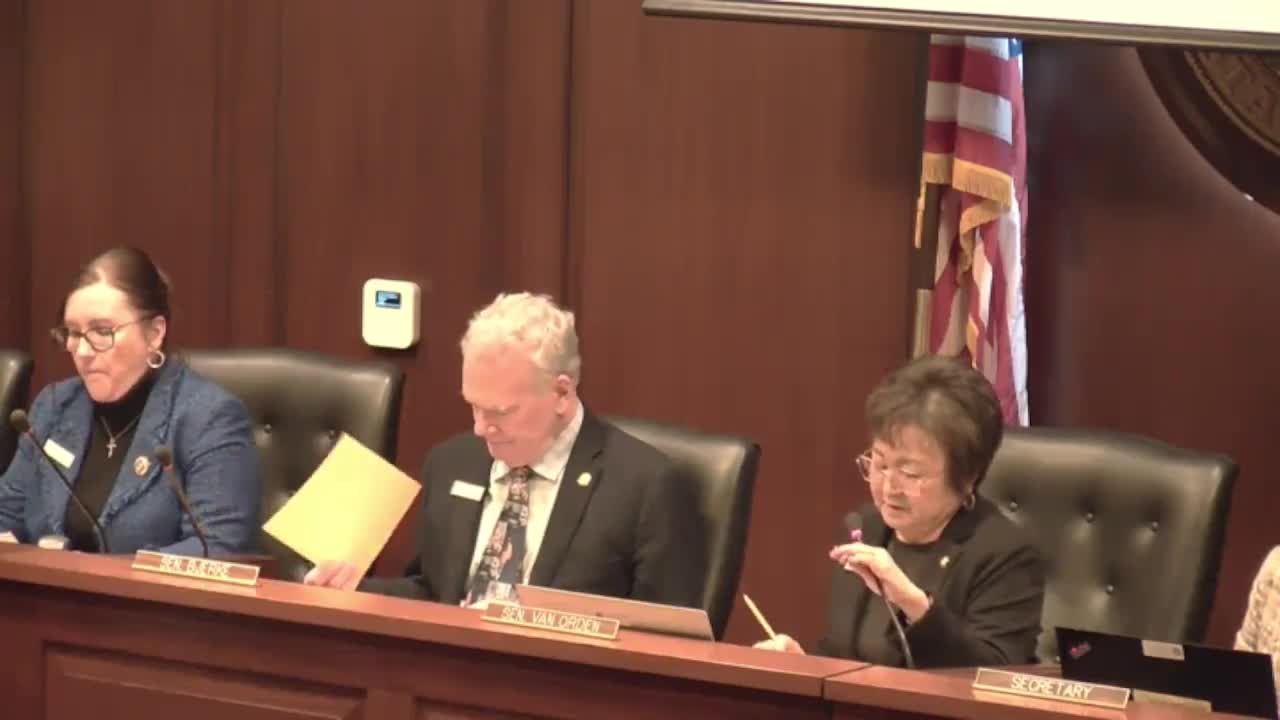
Senate panel sends bill limiting public health district powers to amendment order after debate
Summary
The Idaho Senate Health and Welfare Committee voted to send Senate Bill 10‑31 to the fourteenth order for possible amendment after lawmakers debated language that would restrict public health districts to actions authorized by statute and to measures “rooted in science, and in necessity.”
The Idaho Senate Health and Welfare Committee voted to send Senate Bill 10‑31 to the fourteenth order of business for possible amendment after a lengthy debate about how far local public health districts may go when responding to emergencies.
The bill, introduced by Senator Brian Lenny, would replace broad language in current health‑district law that allows districts to take “all things” necessary for public health with a narrower standard requiring actions be “specifically authorized by state law” and “necessary and reasonable” and supported by scientific evidence when used as preventive measures.
Senator Brian Lenny, sponsor and a senator for Nampa (Idaho Legislative District 13), said the bill aims to “solidify that trust by ensuring that any actions our public health districts take are rooted in statute, in science, and in necessity.” He told the committee the changes are intended to “put some guardrails” around district authority and prevent what he characterized as past excesses during the COVID‑19 pandemic.
Lawmakers who questioned the bill’s language raised concerns about ambiguity and unintended consequences. Senator Melissa Wintrow asked which state laws the bill would rely on and whether the phrase “specifically authorized by state law” would create confusion about the scope of district duties. "When you put in state law, can you point to me what state laws are you talking about?" she asked.
Several senators flagged a provision that says preventive health measures may be taken only in cases of a “demonstrated immediate public health risk supported by scientific evidence.” Senators said that phrasing could be read to bar routine preventive activities — such as vaccinations or community preventive programs — because those efforts often aim to address future, not immediate, risks. Senator Chris Blaylock asked that the committee clarify whether “immediate” was the intended standard and urged defining “scientific evidence” in the bill text.
Supporters and opponents cited different local experiences from the pandemic. Several senators described districts that issued mandates and actions some considered overreach. Other senators, including one who represents a district served by Southwest District Health, said their district relied mainly on guidance and did not implement mandates and that the bill might be perceived as unnecessarily punitive.
A public commenter, Misty Karlfeld, identified herself as leader of Health Freedom Idaho and told the committee the current Idaho Code §39‑414 (referred to in testimony as 39‑4‑14) grants “staggering power” and left citizens without recourse during COVID. “SB 10‑31 is a very necessary and reasonable bill,” she said, urging passage as written.
Sponsor history and next steps were discussed in committee. Senator Lenny reminded members a similar bill passed the Idaho House last year but died in a tied Senate committee vote. During the meeting a motion to send the bill to the floor with a “due pass” recommendation was made, and a substitute motion to send it to the fourteenth order for possible amendment was offered and approved.
Senator Harris moved the substitute motion to send Senate Bill 10‑31 to the fourteenth order for possible amendment; Senator Bierke seconded. The substitute motion was approved by voice vote. One senator asked to be recorded as opposed; no roll‑call tally was entered on the record during the committee action.
Committee members said they expect work on clarified definitions if the bill proceeds. Sponsor Lenny said he would be open to language changes in the fourteenth order to address questions about terms such as “state law,” “immediate,” and “scientific evidence.” The committee adjourned after scheduling its next meeting.