Get Full Government Meeting Transcripts, Videos, & Alerts Forever!
Get email alerts on the Emergency Medical Services topic
No spam. Unsubscribe anytime.
JFAC considers transfer of Emergency Medical Services program to Military Division; several motions sent to Senate after failing to secure Senate committee's on
Summary
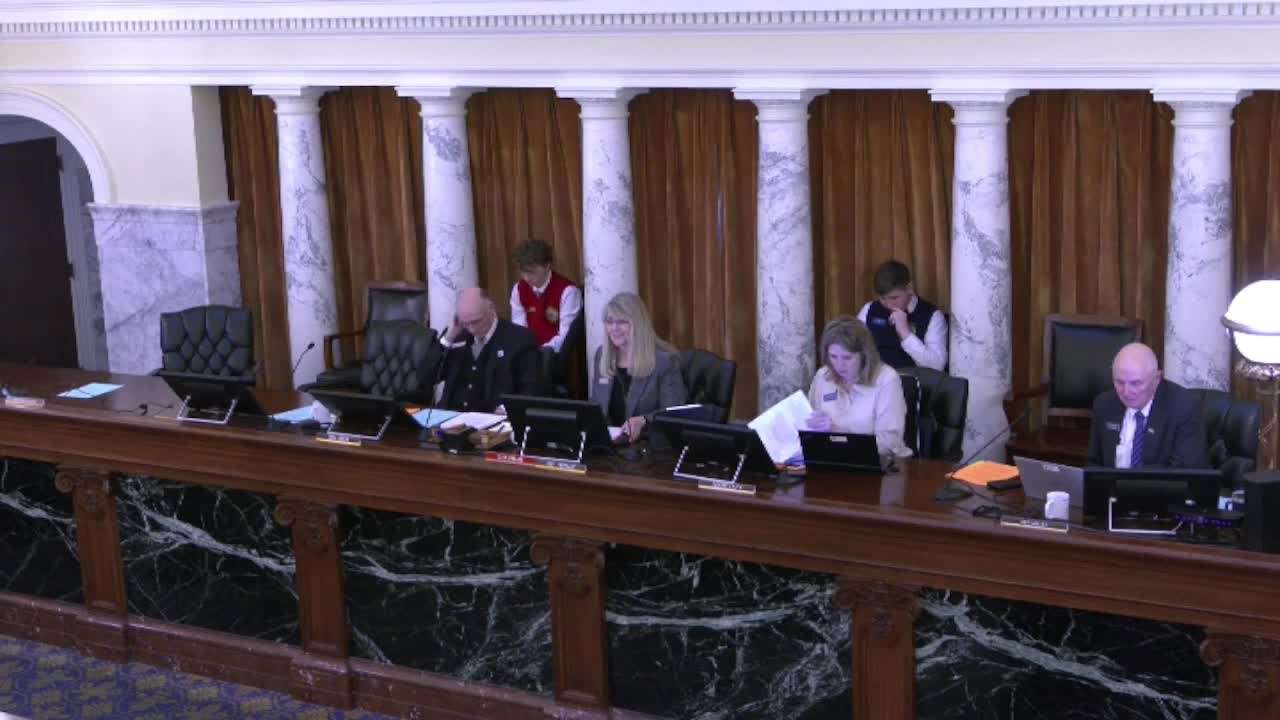
The Joint Finance-Appropriations Committee on March 12 considered and forwarded multiple actions related to moving the statewide Emergency Medical Services program from the Department of Health and Welfare to the Military Division, but several motions did not secure an affirmative Senate-side majority and were sent to the Senate for further action.
The Joint Finance-Appropriations Committee on March 12 took multiple actions related to a planned transfer of the statewide Emergency Medical Services (EMS) program from the Department of Health and Welfare to the Idaho Military Division, part of implementation steps tied to House Bill 206.
Frances Lippitt (Legislative Services Office) and Ms. Williamson explained that the transfer moves EMS operational responsibilities into the Military Division, which oversees the Office of Emergency Management and already handles Hazmat and some backup dispatch functions. LSO described a reduction action to remove EMS dollars from DHW and a corresponding addition action to create a new EMS program in the Military Division. The committee also considered separate funding for a part-time medical director to provide clinical oversight.
Senator Bierke, who moved the transfer-in motion for the Military Division, said the Military Division “already handles some backup dispatch, Hazmat programs, and rural EMS,” and that the move would provide a more operational, mission-oriented home for EMS.
Outcome and procedural status: multiple motions related to the transfer and related appropriations passed on the House side but did not secure an affirmative majority on the Senate side of the joint committee and were therefore recorded as failed in the Senate and will be transmitted to the Senate for further action. Specific items affected:
- A motion to reduce DHW’s Public Health base appropriation and to transfer certain preparedness funds to Physical Health Services was recorded as passed by the House but the Senate did not record an affirmative majority; the chair stated the motion “will be sent to the Senate.” (Committee tally reported: total 13 ayes, 3 nays, 4 absent/excused.)
- A motion to establish the Military Division’s EMS program with approximately $7.2 million in combined funds and about 30.84 FTP (as read by the motion maker) similarly did not secure an affirmative Senate-side majority and was sent to the Senate. The chair announced the motion "will be sent to the Senate." (Reported committee total: 14 ayes, 3 nays, 3 absent/excused.)
- A separate motion to add funding for a part-time medical director for the Military Division’s EMS program (one-time and ongoing components) also failed to secure an affirmative Senate-side majority and will be transmitted to the Senate.
Why it matters: the transfer changes the administrative home for statewide EMS and could affect rules, training, dispatch and credentialing. Supporters argued the Military Division is better structured to provide operational oversight; some members raised procedural questions about funding mechanics if bills advance or fail in parallel.
Next steps: the committee record indicates the motions will be forwarded to the Senate for further consideration. If the Senate acts differently, committee staff will reconcile outcomes consistent with joint rules and the letter of instruction announced by the co-chairs.