Get Full Government Meeting Transcripts, Videos, & Alerts Forever!
Get email alerts on the Transportation Infrastructure topic
No spam. Unsubscribe anytime.
Second‑bridge project moves into design and permitting; state funds, leases and alignment remain under negotiation
Summary
City officials said design and construction teams are under contract, a state appropriation of about $35.5 million exists for the bridge, and feasibility, alignment and right‑of‑way discussions with Arizona State Parks and the Arizona State Land Department continue; officials estimated a 2029 completion target.
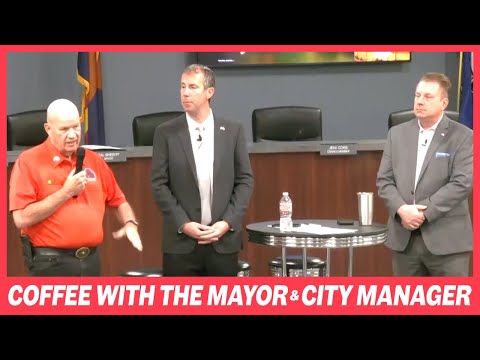
Lake Havasu City officials said on March 7 that the second‑bridge project has moved into coordinated design and early permitting while negotiations with state partners continue over alignment, right‑of‑way and utilities.
City Manager Jess Knudson said the council approved contracts to bring on the design team (NB5) and a bridge construction team (AIMS Construction and subs). Knudson said the design and construction teams are working together toward roughly a 30% design level before permit submissions; permitting — including U.S. Coast Guard and federal authorizations — could add up to about 12 months once 30% design is reached.
Sheehy and Knudson reviewed the project’s funding history: Representative Biasucci and local legislators secured about $35.5 million in state funds for the bridge, but state legislation required a feasibility study. The city said feasibility work and design are occurring concurrently because funding was awarded before the study was complete.
Knudson said the bridge alignment is under active discussion with Arizona State Parks (mainland side) and the Arizona State Land Department (island side). A lease the city paid for previously defines a legal description and locations for the island approach; staff said the lease allows adjustments if both parties agree, and the city is discussing a northward shift that would shorten the bridge span from about 280 feet to roughly 215 feet. Knudson said the shorter span could save millions of dollars and permit prefabricated deck transport within highway constraints.
"They're doing their best with all due diligence," Sheehy said, noting that many agencies — U.S. Coast Guard, state parks, state land, BLM and tribal interests — have a role in approvals. Knudson said utility coordination is central: the city has an existing large sewer main under the channel and staff prefer to tie utility upgrades to the bridge work rather than risk future disruptions.
Knudson said council granted the design and construction contracts and that staff will return with a guaranteed maximum price when design and permitting permit final pricing. He said the city is evaluating whether it will have all the dollars to build the road network, bridge and utility elements together, and that phasing and additional funding will be considered. Knudson said the city and its partners are targeting a completion around 2029 while trying to accelerate where feasible.
Officials described significant outreach and public engagement planned as the project moves from design to permits and construction.