Get Full Government Meeting Transcripts, Videos, & Alerts Forever!
Get email alerts on the Court Security Fence topic
No spam. Unsubscribe anytime.
County approves emergency fencing around judges’ parking; debate over razor wire and grant share
Summary
Alamosa County commissioners approved a nearly $70,000 fence project for the Justice Center, with county staff asking $58,341 from an emergency court grant and a roughly $11,000 local contribution. Judges and staff described rising threats to court staff and judges and supported adding razor wire; some commissioners raised concerns about optics.
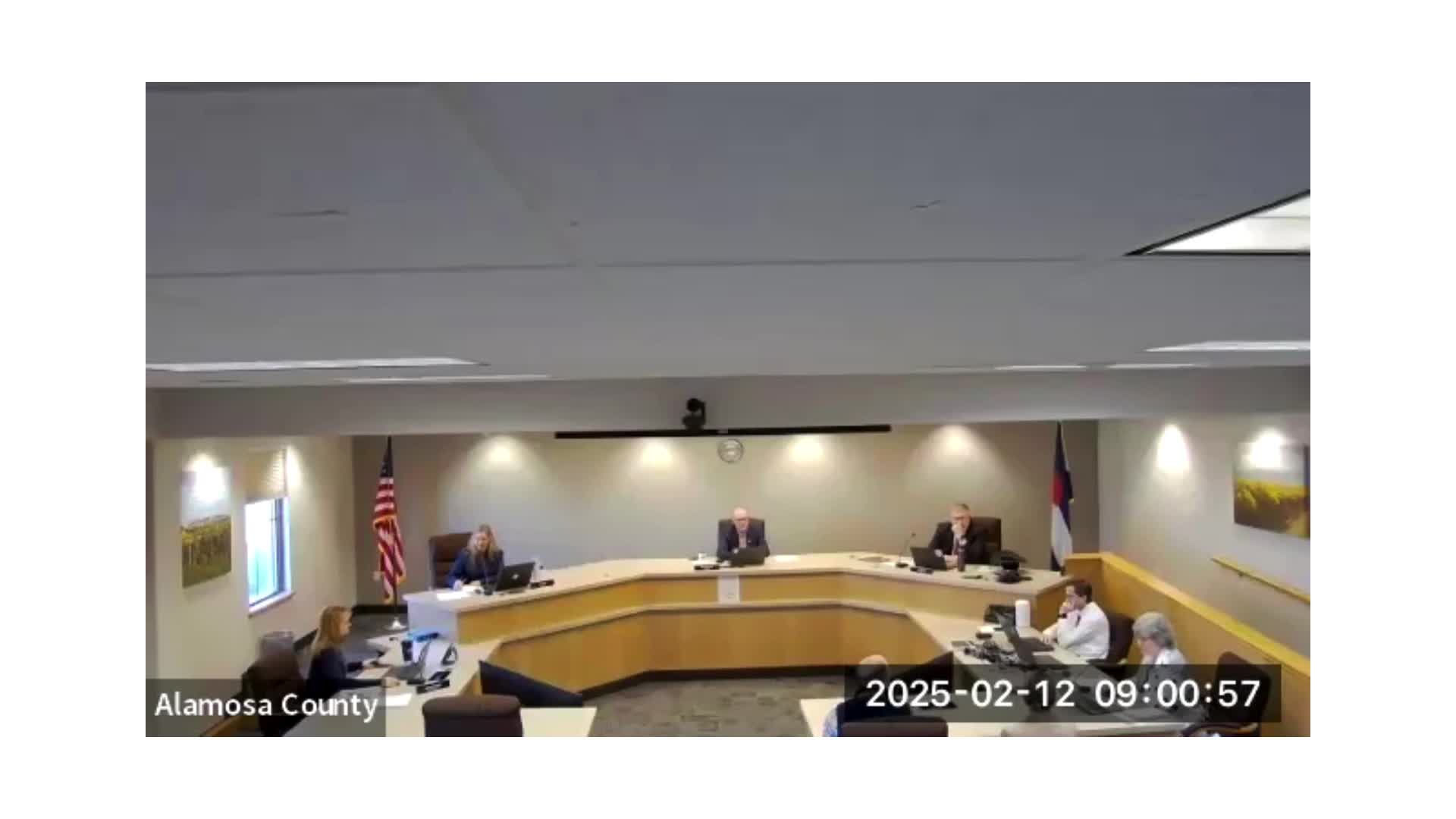
The Alamosa County Board of Commissioners on Feb. 12 approved an emergency fencing project around the judges’ parking at the Justice Center, citing increased security incidents and a pending emergency grant application to cover most of the cost.
County staff described an application to the unfunded court emergency grant program requesting $58,341 toward a total project cost of about $69,341; that leaves a local share of roughly $11,000. Staff said the design changes from earlier estimates reduced the project cost and that the work was planned to protect judge and sheriff parking and the jail’s sally port.
Judge Hopkins and county staff told commissioners they have seen an uptick in threats and security incidents. One speaker said threats to judges have “tripled in the last quarter,” and added that secured parking would help protect judges, jurors and staff. County staff also described planned design elements meant to preserve fire access, including emergency release valves on gates and escape gates for pedestrians.
Members discussed razor wire as part of the fence. Staff and the judges’ office said razor wire is a deterrent and part of best practice for enclosing the back parking area; one judge described it as an effective — albeit unattractive — deterrent given the caseload and in‑custody traffic that use the area. At least one commissioner expressed concern that razor wire sends a negative visual message and suggested landscaping later to soften the appearance.
Commissioner Lasky moved to approve the fencing project and the related emergency grant request; the motion passed on a roll call vote with all commissioners voting yes. Staff said ordering materials and a construction window aligned with spring thaw led them to target a May start and a contract completion date before June 30 to receive payment under the grant timeline.
County staff said the fence will include preinstalled slats to reduce lead time and cost, and that the installation timeline (about six weeks) and contract completion requirements were part of the procurement plan. Staff noted some items — such as the precise ballistic or “bullet‑resistant” properties of glazing or film used elsewhere in the building — were proprietary and would be shared in private communications.
The board directed staff to include contract terms that require the vendor to complete work on an agreed schedule so county payments align with grant reimbursement timelines and to continue discussions about landscaping to reduce the visual impact of security enhancements.
No public comments were recorded for this item during the meeting.