Get Full Government Meeting Transcripts, Videos, & Alerts Forever!
Get email alerts on the Absentee Voting topic
No spam. Unsubscribe anytime.
Panel debates bill to narrow absentee‑ballot eligibility; committee fails to advance or hold measure
Summary
Representative Joe Alfieri presented House Bill 139 to restrict no‑excuse absentee voting and tighten eligibility for mailed ballots; the committee heard substantial public testimony both for and against and ultimately failed to pass either a motion to hold or a motion to send the bill to the floor (both recorded as 7–7 in transcript roll calls).
Representative Joe Alfieri presented House Bill 139, which would narrow the circumstances under which Idahoans can request absentee ballots and restrict who may send absentee‑ballot applications to voters. The sponsor said the bill’s two main elements are (1) tighter qualification criteria for absentee ballots (restoring an earlier, more limited set of reasons such as infirmity or active military service) and (2) prohibiting anyone other than the elector or authorized government entities from sending an absentee‑ballot application to a voter.
Alfieri argued absentee voting lacks a chain of custody, may be vulnerable to coercion, and carries a higher rejection rate for signature verification. He cited local examples — including ballot request mailings found in a dumpster in Rathdrum and other undelivered ballots — as reasons to limit the practice and said the preferred method remains in‑person voting or early in‑person voting.
The committee heard extensive public testimony both opposing and supporting the bill. Opponents — including students, county election workers and the Idaho secretary of state, Phil McGrane — said Idaho’s elections are secure, absentee ballots serve legitimate needs (caregiving, illness, remote residency, work schedules, students), and deleting no‑excuse absentee voting would lengthen lines and burden clerks and voters. Secretary McGrane told the committee Idaho had a record 917,000 voters in the last election and that absentee voting is subject to signature verification training and other safeguards.
Supporters, including a precinct committee member and a Secure Elections volunteer, said absentee ballots introduce unobserved voting and postal‑service chain‑of‑custody vulnerabilities and argued limiting absentee voting would reduce those risks.
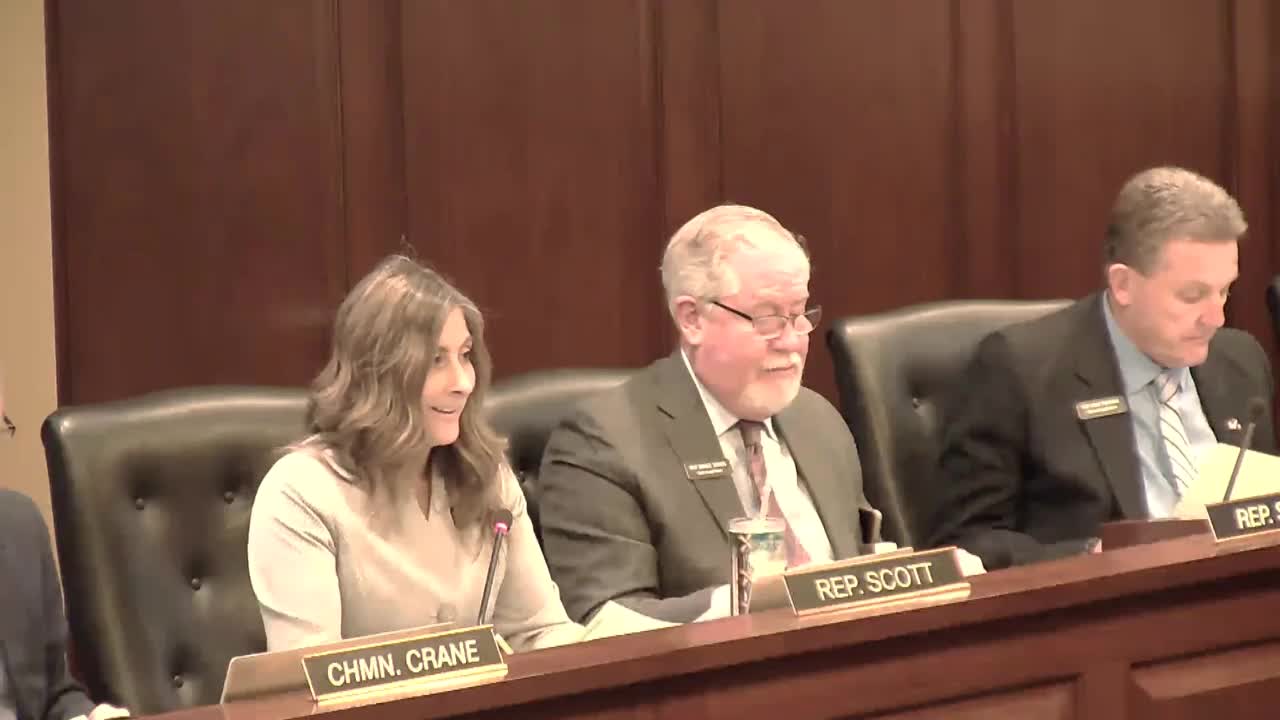
On committee motions, Representative Dygert offered a substitute motion to hold the bill in committee (roll‑call requested); that motion failed 7–7. A subsequent motion to send House Bill 139 to the floor with a due‑pass recommendation also failed 7–7 on roll‑call vote. The transcript shows several members raised concerns about rural impacts, the burden on county clerks to adjudicate eligibility, and litigation risks related to ongoing voter‑ID court cases.